What Are The Categories For Business Expenses
Let's talk about something that might sound a little dry at first, but trust me, it's actually pretty powerful: business expense categories! Think of it like unlocking a cheat code for your wallet. Knowing where your money is going in your business, whether it's a side hustle, a family enterprise, or a full-blown company, helps you make smarter decisions and keep more cash in your pocket. It's like knowing the rules of the game before you even start playing!
Why bother with categories? For beginners, understanding expense categories is the foundation of good financial management. It helps you see the bigger picture and avoid overspending. For families running a small business, it can simplify tax time and ensure you're claiming all the deductions you're entitled to. And for hobbyists turning their passion into profit, tracking expenses gives you a clear view of your profitability and helps you decide whether to invest more time and resources.
So, what are these magical categories? Here are some common ones:
Must Read
- Cost of Goods Sold (COGS): This is the big one for businesses that sell products. It includes the direct costs of creating or acquiring the items you sell. Example: The cost of the yarn if you knit scarves.
- Marketing & Advertising: Anything you spend to promote your business. Example: Facebook ads, flyers, or even paying for a booth at a local craft fair.
- Office Supplies: The essentials for keeping your business running smoothly. Example: Pens, paper, printer ink, that ever-elusive stapler.
- Travel: Costs associated with business trips. Example: Plane tickets, hotel rooms, meals while traveling for business.
- Utilities: The cost of keeping the lights on (literally!). Example: Electricity, internet, water (if applicable to your business).
- Professional Fees: Paying for expert advice. Example: Hiring an accountant, lawyer, or consultant.
- Rent/Lease: If you have a physical space for your business. Example: Renting an office, studio, or warehouse.
- Software & Subscriptions: Tools you use to run your business. Example: Accounting software, project management tools, email marketing platforms.
- Meals & Entertainment: Be careful with this one! There are specific rules about deducting these expenses. Example: Taking a client out for lunch (check current tax laws for deductibility).
- Education & Training: Investing in your knowledge. Example: Courses, workshops, or conferences that help you improve your business skills.
Variations on a Theme: These categories aren't set in stone! You can adapt them to fit your specific business. For example, a photographer might have a category for "Equipment Maintenance" or "Studio Rental." A freelance writer might have a category for "Online Courses" or "Software Subscriptions."
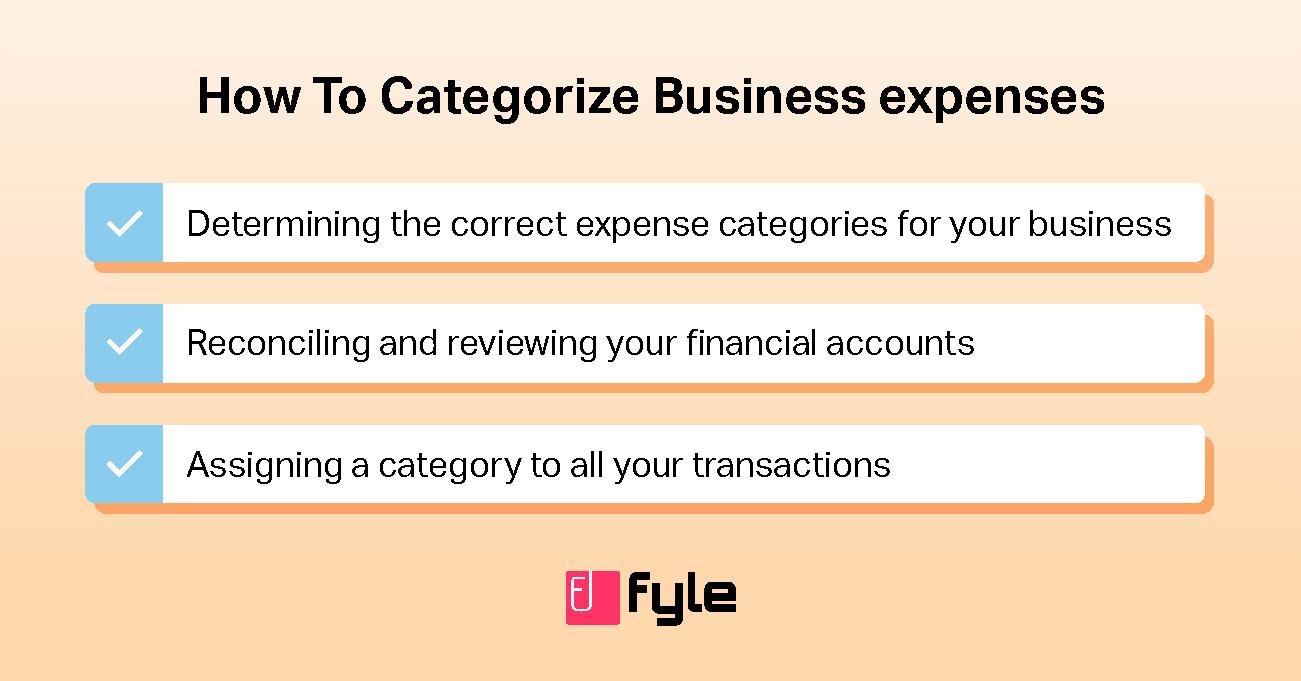
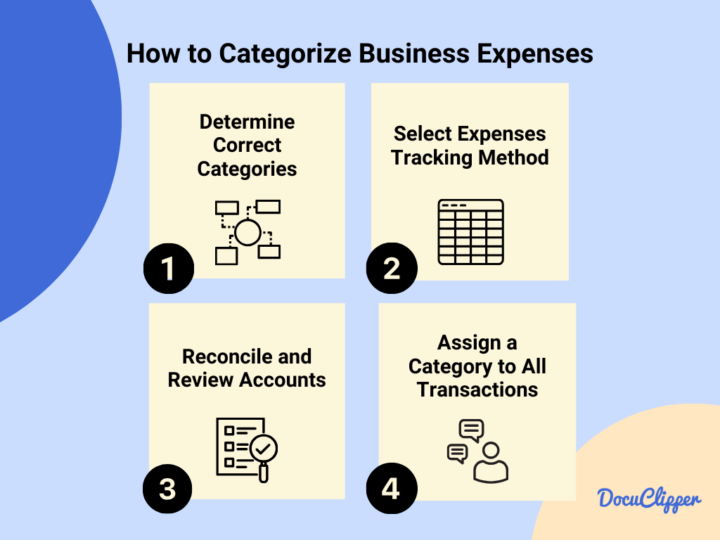
Getting Started is Easier Than You Think: The easiest way to start tracking expenses is with a simple spreadsheet. List the date, vendor, description, category, and amount for each expense. As your business grows, you might consider using accounting software like QuickBooks or Xero. There are also free apps available that can help you track expenses on the go.

Practical Tip: Get in the habit of saving receipts! This makes it much easier to track your expenses and claim deductions at tax time. You can even use a receipt scanning app to digitize them.
So, there you have it! Business expense categories might not be the most glamorous topic, but they're essential for taking control of your finances and making your business more profitable. It's like having a secret weapon that empowers you to make informed decisions and achieve your goals. Happy tracking!