What Are The Best Type Of Solar Panels

Alright, settle in, grab another coffee! We need to chat about solar panels, because honestly, navigating that world feels a bit like trying to choose a new phone – so many options, so much jargon, and everyone has a "best" opinion, right? But what actually works? What's the real deal?
Here’s the thing, and this might burst your bubble a little: there isn’t one single, universally "best" type of solar panel for everyone. Shocker, I know! It’s kinda like asking what the best type of car is. A sports car is awesome for speed, but terrible for hauling groceries for a family of six. See what I mean? It all comes down to what’s best for you and your specific situation.
Monocrystalline Panels: The High-Achievers
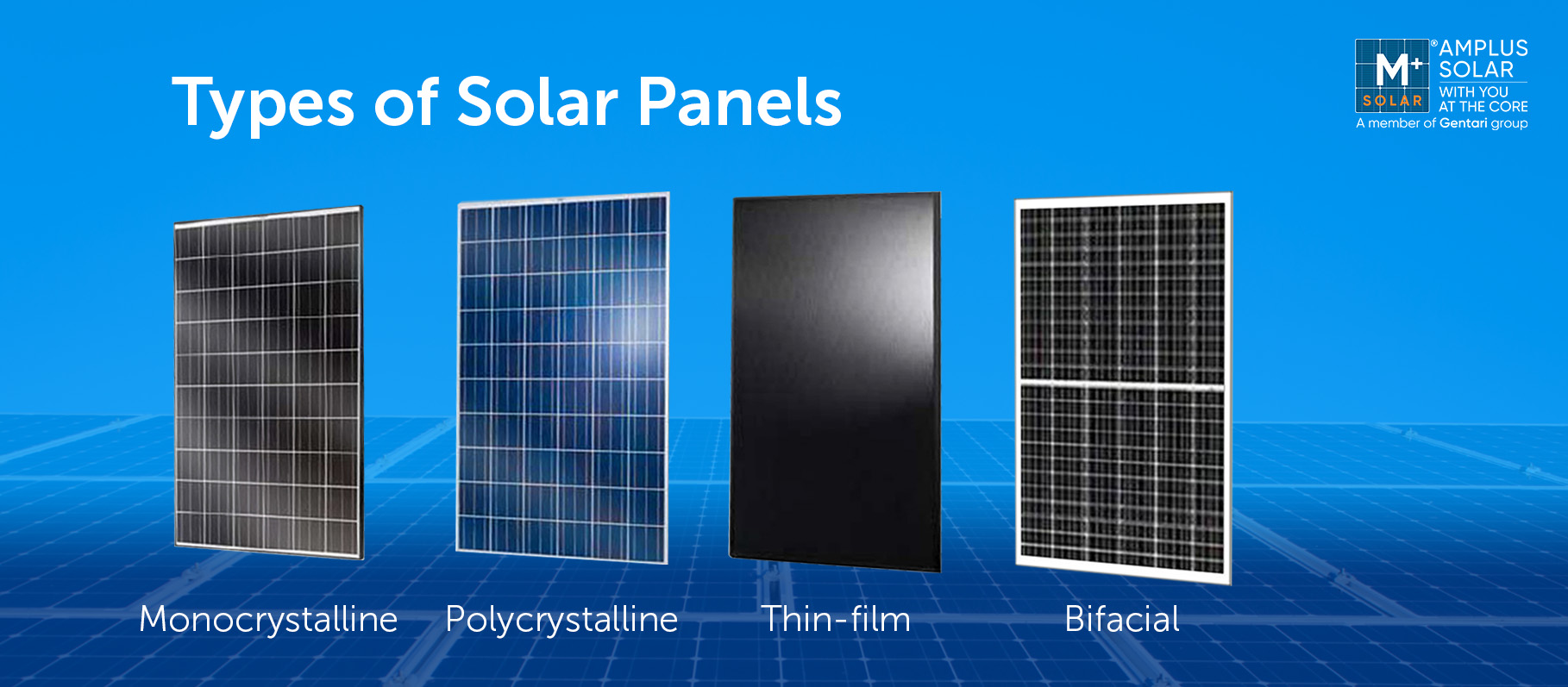
Let's start with the undisputed rockstars, the supermodels of the solar world: monocrystalline panels. These are the ones you usually see looking all sleek and black, with a uniform, smooth surface. They're made from a single, pure silicon crystal – hence the "mono." Very fancy.
Must Read
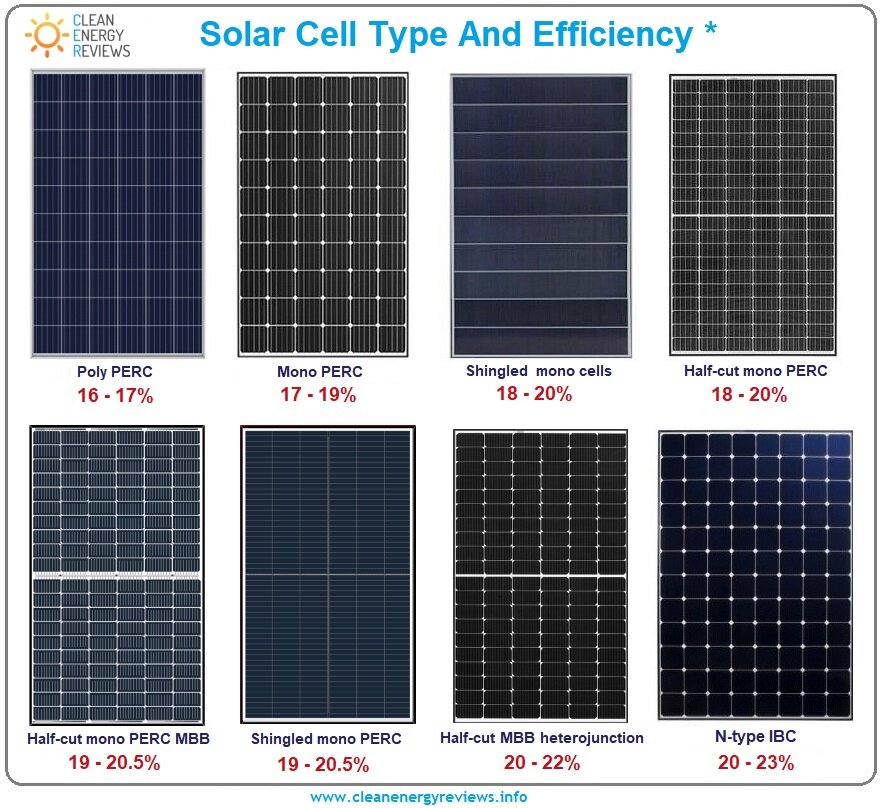
Why are they so popular? Well, they're generally the most efficient. We're talking top-tier performance here. If you have limited roof space but want to generate as much electricity as possible, these are your go-to. They also tend to perform a bit better in lower light conditions, which is pretty neat, right? Like they’re just trying harder, even when the sun is being a bit shy.
The catch? You guessed it – efficiency often comes with a higher price tag. They're a bit like buying designer clothes; fantastic quality, but your wallet feels it. Also, they can be slightly more sensitive to really high temperatures, but honestly, for most home setups, it's not a deal-breaker.

Polycrystalline Panels: The Reliable Workhorses
Next up, we have the polycrystalline panels. These are the unsung heroes, the sensible shoes of the solar world. Visually, they’re usually a bit bluer and have a slightly mottled, crystalline pattern – because they're made from multiple silicon fragments melted together. A bit more rustic, you could say.
Are they as efficient as monocrystalline? Nah, not quite. They're a solid second place. But here’s the kicker: they're typically more affordable. So, if you've got a bit more roof space to play with and you’re looking to get into solar without breaking the bank, polycrystalline panels are an excellent choice. They still do a fantastic job converting sunlight into power, just needing a little more surface area to hit those same numbers. Think of them as the super reliable, slightly less flashy car that gets you everywhere you need to go without costing an arm and a leg.
Thin-Film Panels: The Flexible Innovators
Okay, now for the quirky, niche player: thin-film panels. These are a whole different beast. Instead of chunky silicon wafers, they use really thin layers of photovoltaic material (like amorphous silicon, cadmium telluride, or copper indium gallium selenide – say that five times fast!) deposited onto a substrate.
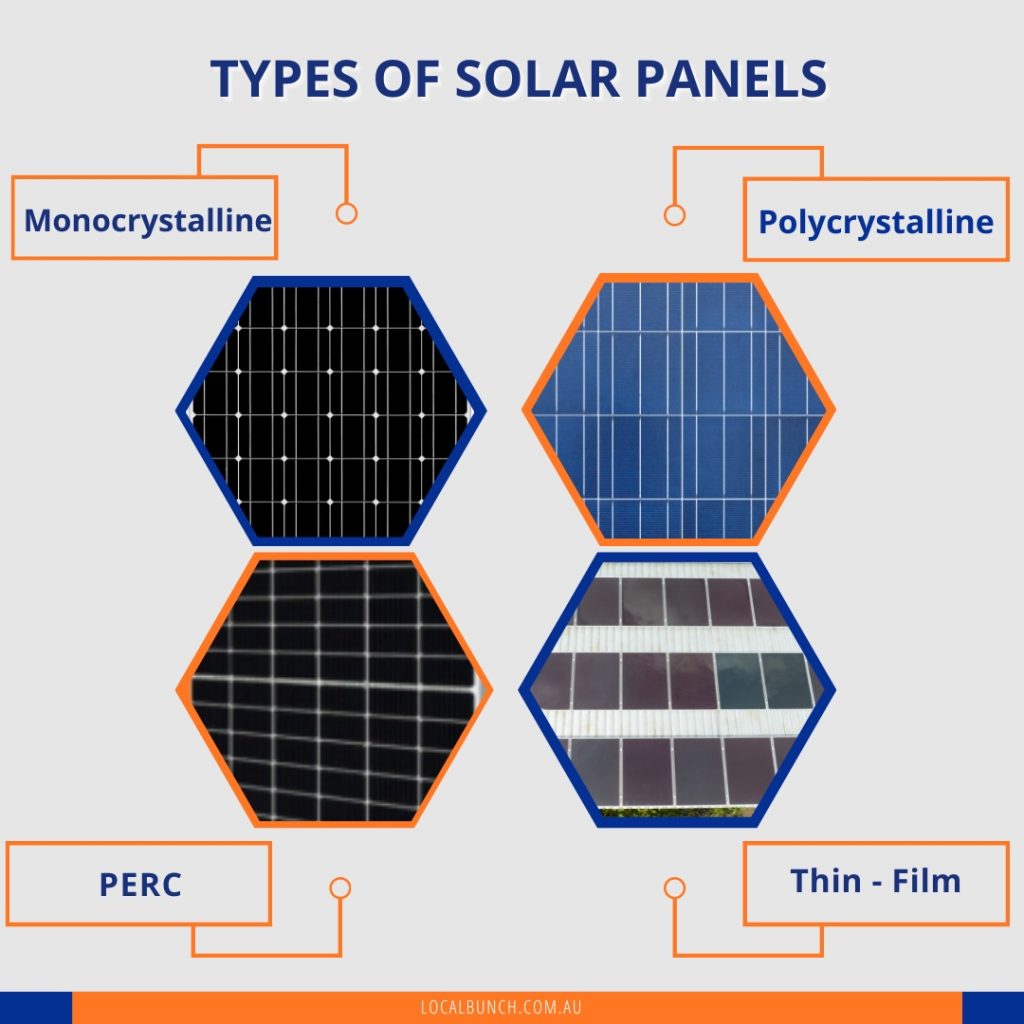
Their superpower? Flexibility! Some of them are literally bendy. This makes them brilliant for unique applications like RVs, curved roofs, or even integrated into building materials. They’re also super lightweight and can actually perform quite well in very hot climates and even diffused light, sometimes better than their silicon cousins. Pretty cool, huh?
The trade-off? Much lower efficiency. Like, significantly lower. You'd need a huge amount of space to generate the same power as a few mono or poly panels. Plus, their lifespan can sometimes be shorter. So, unless you have a very specific, unconventional need, they're usually not the top pick for residential rooftops. But for specialized projects? Total game-changer!
So, What's the Verdict for You?
Alright, so now you know the main players. But how do you pick? It boils down to a few key questions:
- How much space do you have? If it’s tight, efficiency (hello, monocrystalline!) becomes paramount.
- What’s your budget? If you're watching those pennies, polycrystalline offers great bang for your buck.
- What does your roof look like? Is it perfectly flat, or do you have interesting curves? (Probably not thin-film for most homes, but hey, you never know!)
- What’s your local climate like? Super hot and sunny all the time, or more temperate?
- How important are aesthetics? Do you want that sleek black look, or is the blue hue perfectly fine?
Don't forget to ask about warranties! That’s a huge one. You want panels that are guaranteed to perform for decades, not just a few years.
Ultimately, the "best" solar panel is the one that fits your home, your energy needs, and your budget like a glove. It’s about balancing efficiency with cost, space, and a dash of personal preference. So, do a little research, maybe chat with a few solar installers – they can really help clarify things for your specific situation. And hey, once you've got them, enjoy that sweet, sweet feeling of generating your own power. Pretty awesome, right? High five!