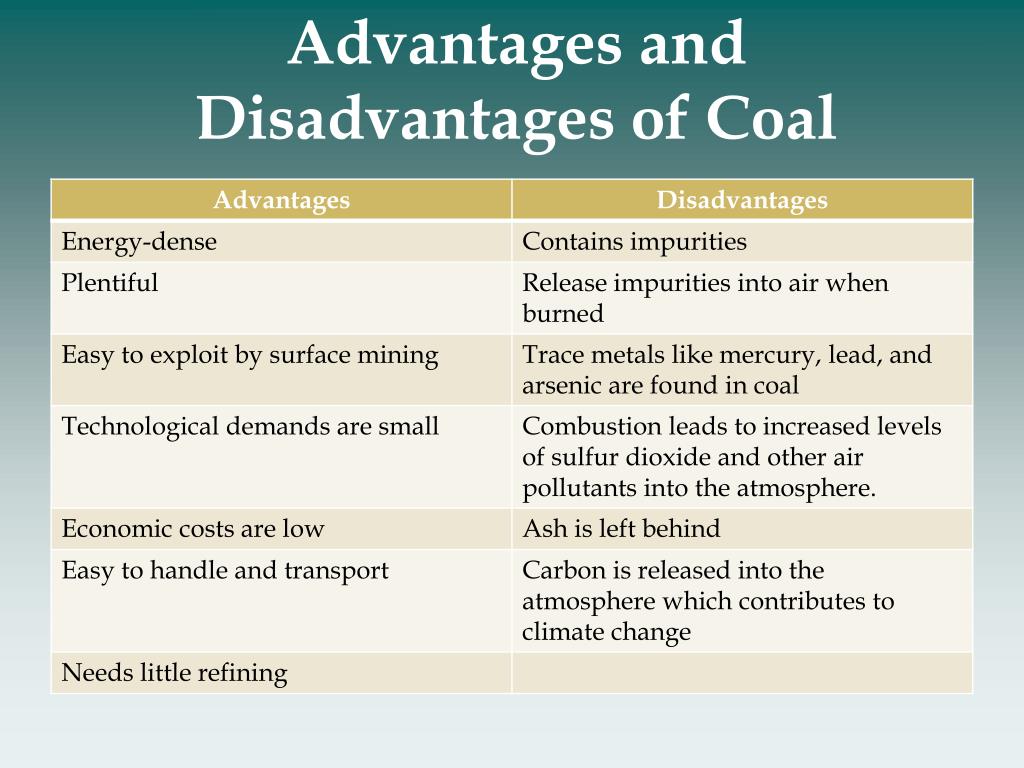
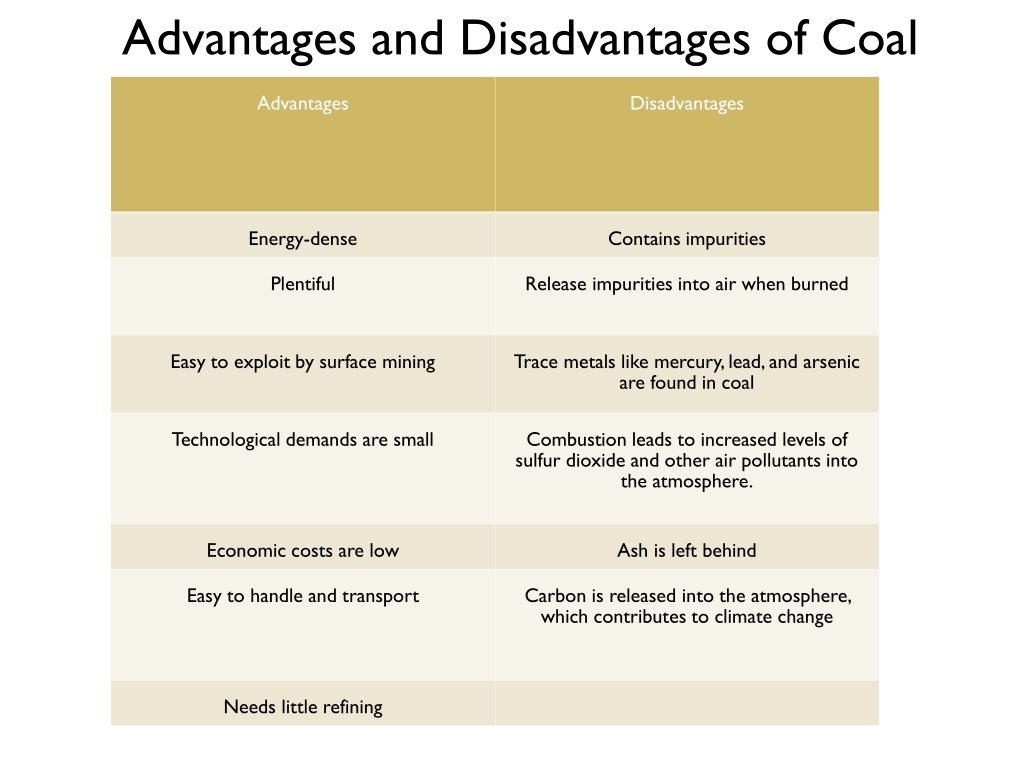
What Are The Advantages And Disadvantages Of Coal
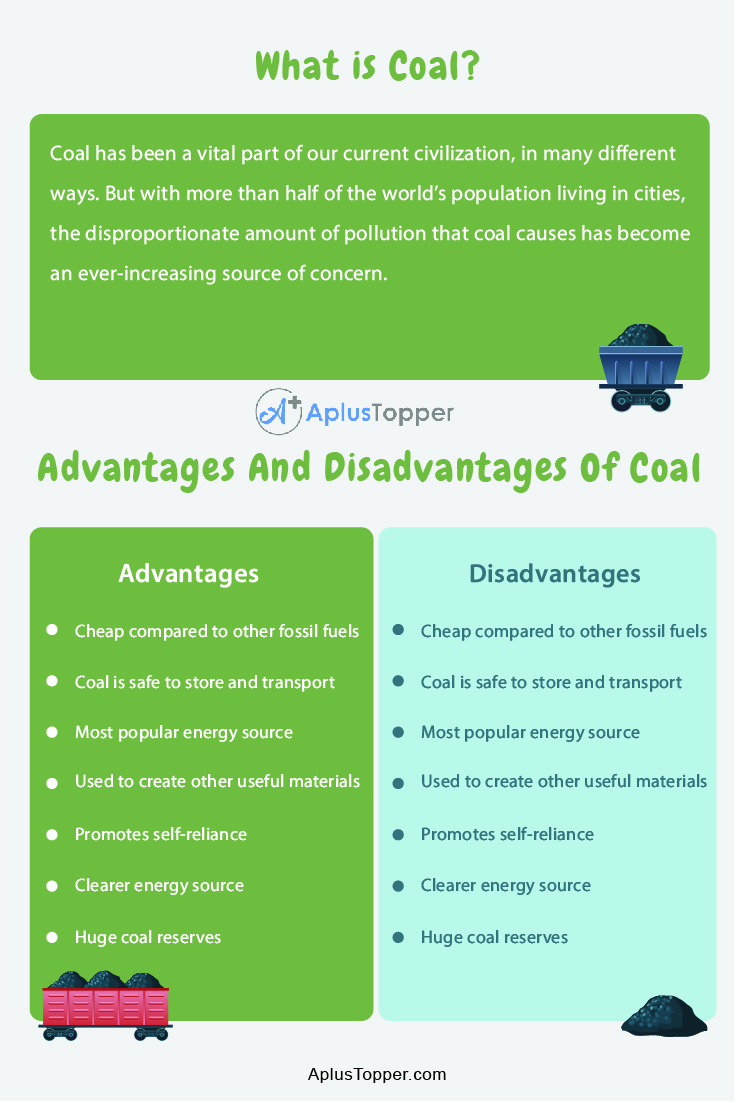
Long before digital art and fancy tablets, there was coal. Yes, that humble, dark rock usually associated with powering factories actually holds a secret life as a fantastic art medium! Forget its industrial image for a moment and imagine the possibilities: deep blacks, velvety textures, and expressive strokes – coal is a surprisingly versatile tool for artists of all levels.
So, what makes this unassuming chunk of carbon such a draw? One of the biggest advantages of using coal, specifically charcoal, is its forgiving nature. Mistakes are easily erased or blended, making it perfect for beginners who are still finding their artistic footing. It’s also incredibly affordable! You can get started with just a few sticks of charcoal and some paper, a far cry from the cost of paints or other traditional media. For hobbyists, this means less financial pressure and more room to experiment. Charcoal encourages a loose, expressive style, helping you to capture the essence of a subject rather than getting bogged down in hyper-realistic details. This can be incredibly freeing and fun!
The versatility of charcoal is another major advantage. It can be used to create a wide range of effects, from delicate, wispy lines to bold, dramatic shadows. Think of the classic portrait sketches you've seen, with their soft gradations and lifelike depth – chances are, those were created using charcoal. But it's not just for portraits! Landscape artists love charcoal for capturing the rugged textures of mountains or the subtle nuances of a cloudy sky. You can even use it to create abstract art, exploring the beauty of pure form and texture. Different types of charcoal, like willow, vine, and compressed charcoal, offer varying degrees of hardness and darkness, allowing for even more control and artistic expression. Consider the dramatic contrasts in film noir posters; charcoal excels at creating that sense of mystery and intrigue.
Must Read
Ready to give charcoal a try at home? It's easier than you think! First, gather your materials: charcoal sticks (a variety pack is a good start), drawing paper (slightly textured is best), a kneaded eraser (essential for lifting charcoal), and a blending stump or tortillon (for smoothing and softening). Find a well-ventilated space, as charcoal dust can be messy. Start with simple exercises, like shading a sphere or copying a still life. Don’t be afraid to experiment with different pressures and blending techniques. Embrace the smudges and imperfections – they're part of the charm! A simple tip: fix your drawings with a workable fixative spray to prevent smudging once you're happy with the result.
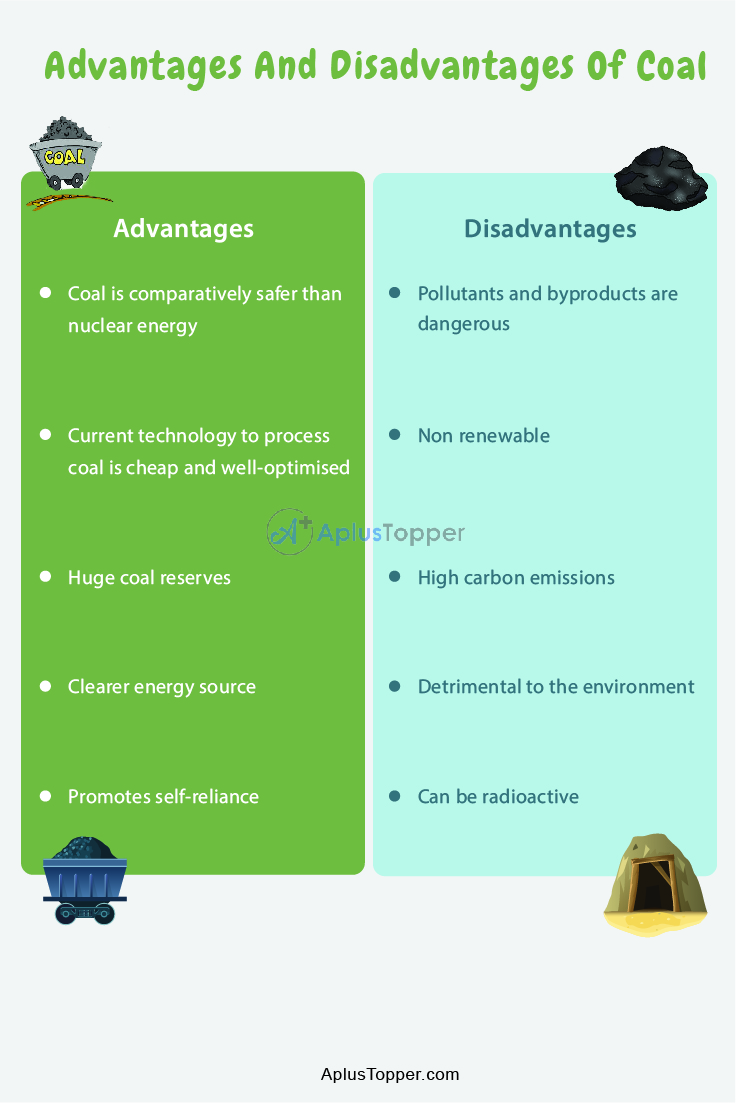
While charcoal offers affordability and expressiveness, it's important to acknowledge its 'disadvantages.' It can be messy, and creating detail can be challenging. It takes practice to control, and final artwork needs to be sealed to avoid smudging and damage. That said, the benefits far outweigh the costs for many.
Ultimately, working with charcoal is enjoyable because it allows you to connect with a raw, primal medium. There's something incredibly satisfying about creating art with such a simple, yet powerful tool. It's a chance to slow down, observe the world around you, and express your unique vision in a tangible way. So, pick up a stick of charcoal, let your imagination run wild, and discover the joy of creating something beautiful from something so seemingly ordinary.