
What Are The Advantages And Disadvantages Of Biomass
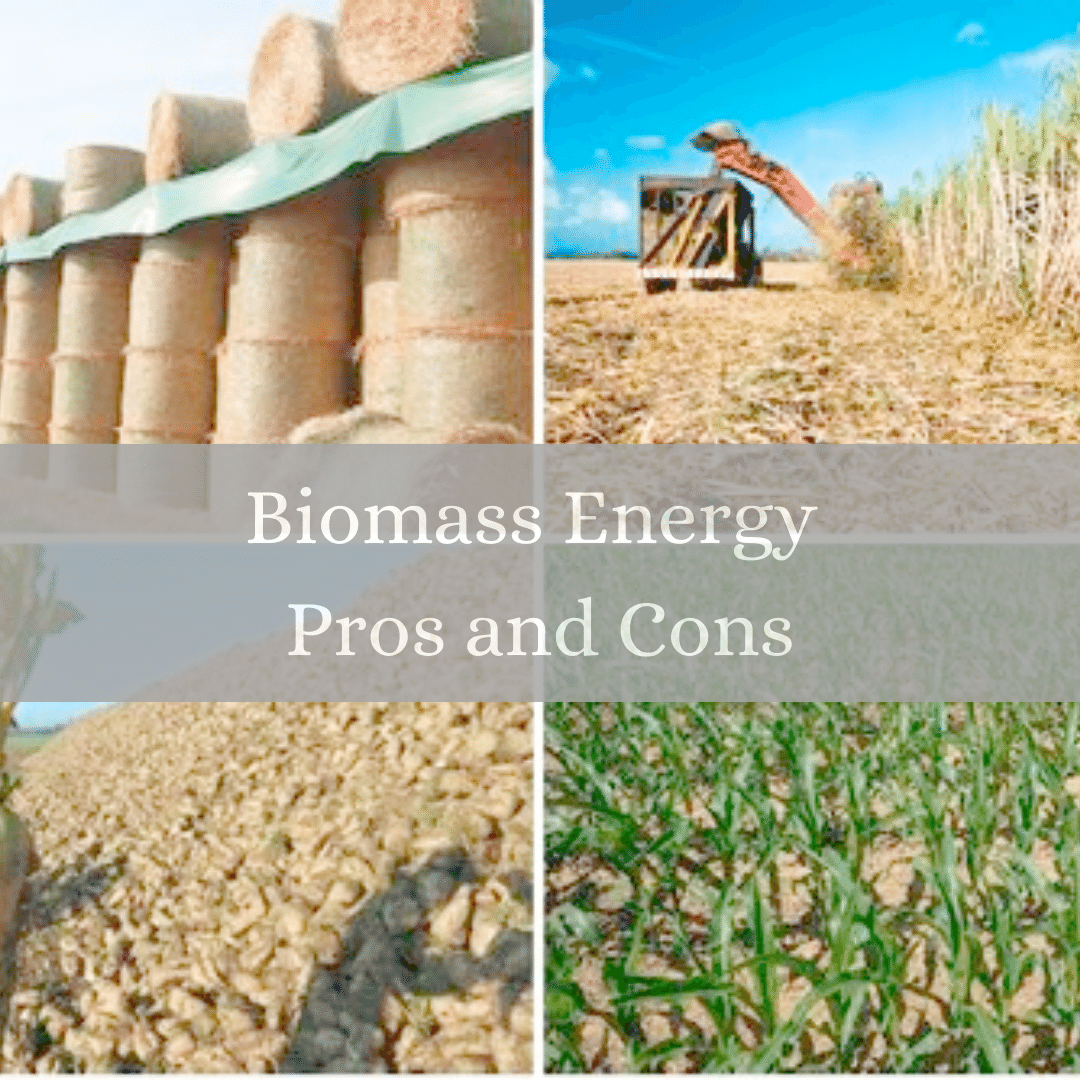
Hey there, energy enthusiast! Ever heard of biomass? It’s not just about bulking up at the gym (though a healthy planet does require some heavy lifting!), it's actually a renewable energy source that's been around longer than your grandma’s favorite rocking chair. But is it all sunshine and biofuel? Let’s dive into the good, the bad, and the slightly…charred, shall we?
Biomass: The Upside (The "Yay!" Factors)
Okay, so why are people buzzing about biomass like bees around a honeypot? Well, for starters, it’s renewable. Unlike fossil fuels that take millions of years to form, biomass comes from stuff that's constantly being replenished – trees, crops, even your leftover pizza crust (okay, maybe not your pizza crust…unless you're running a VERY experimental power plant).
This renewability leads to a huge advantage: carbon neutrality. Trees, plants, and all that yummy biomass stuff absorb carbon dioxide from the atmosphere as they grow. When we burn them for energy, they release that CO2 back. It's like a carbon cycle yo-yo! Ideally, if we replant and manage biomass sources sustainably, the net carbon impact is close to zero. We’re not adding extra carbon, just borrowing it for a bit. Pretty neat, huh?
Must Read
And speaking of neat, biomass can be converted into different forms of energy – electricity, heat, and even transportation fuels like biodiesel and ethanol. Talk about versatility! Think of it as the Swiss Army knife of energy sources.
Another bonus? Biomass can help us manage waste. Instead of sending agricultural waste, wood scraps, and other organic materials to landfills (where they rot and release methane, a potent greenhouse gas), we can use them to generate energy. That's like giving waste a second life! Reduce, reuse, recycle…and re-energize!

Finally, biomass energy can create jobs in rural areas. Think about farmers growing energy crops, loggers harvesting sustainable wood, and plant operators running biomass power plants. It's a win-win for the economy and the environment!
Biomass: The Downside (The "Uh Oh!" Moments)
Now, before you start imagining a world powered entirely by veggie scraps, let's talk about the not-so-glamorous side of biomass. No energy source is perfect, and biomass has its challenges. It's like that friend who’s always late but makes the best brownies – you love 'em, but you gotta be realistic.
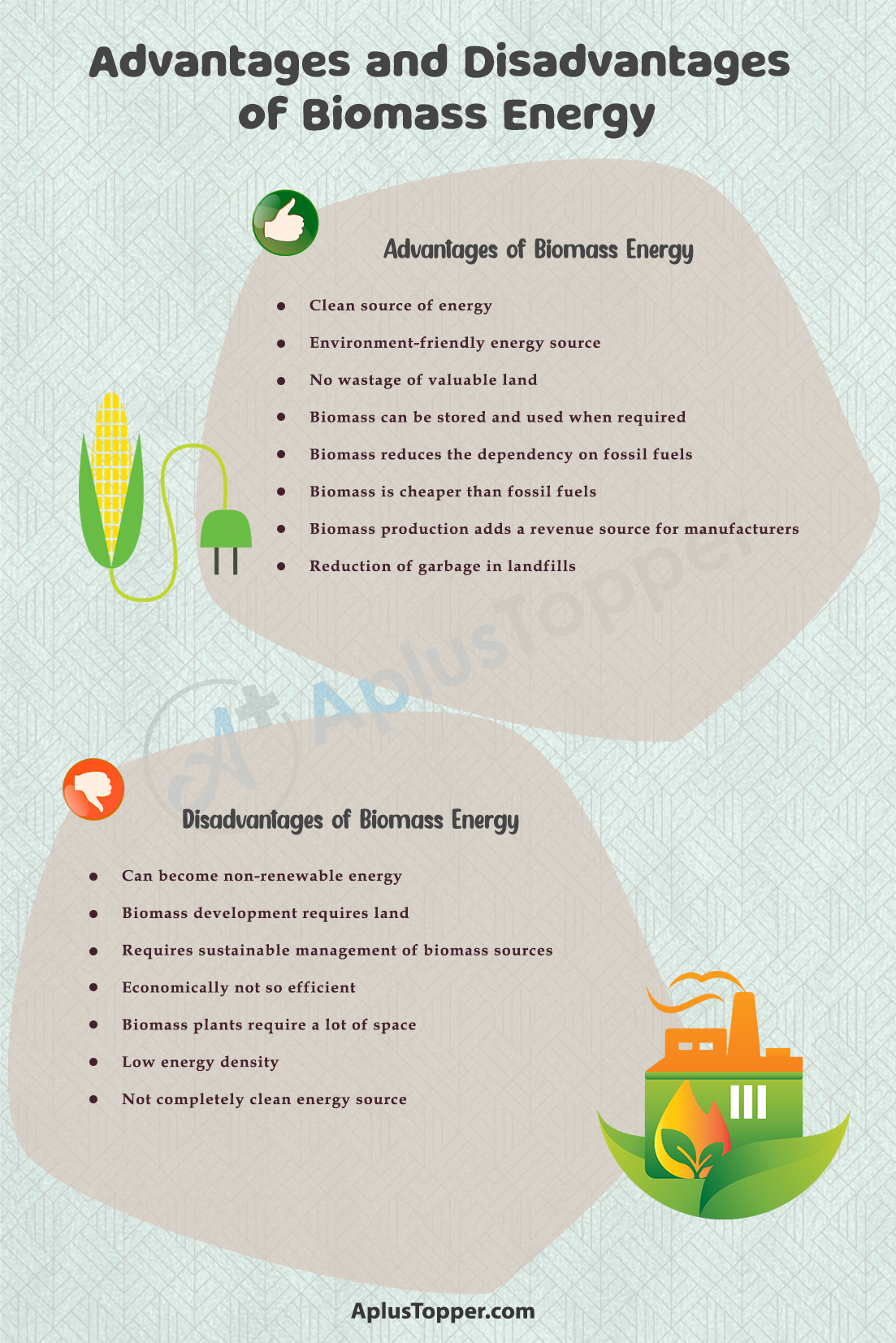
One major concern is air pollution. Burning biomass can release particulate matter and other pollutants into the air, which can be harmful to human health. This is especially true if the combustion process isn't efficient or if the biomass source isn't properly dried. No one wants to trade climate change for asthma, right?
Then there's the issue of deforestation. If we're not careful about how we harvest biomass, we could end up cutting down forests faster than they can regenerate. This would not only release stored carbon into the atmosphere (defeating the purpose of carbon neutrality) but also destroy valuable habitats and biodiversity. Sustainable forestry practices are key here!
Another problem is land use. Growing energy crops requires land, which could compete with food production. Imagine choosing between fueling your car and feeding your family! That’s not a choice anyone wants to make. Finding the right balance is essential.

And let’s not forget about efficiency. Biomass power plants are often less efficient than fossil fuel power plants, meaning they require more fuel to generate the same amount of energy. This can lead to higher costs and more pollution. Technology is constantly improving, but it’s something to keep in mind.
Finally, transporting biomass can be expensive and energy-intensive. Think about trucking tons of wood chips across the country! That adds to the overall carbon footprint. Locating biomass power plants close to the source of biomass can help reduce these transportation costs and emissions.

The Verdict?
So, is biomass a superhero or a supervillain? The truth, as always, is somewhere in between. Biomass has the potential to be a valuable part of a sustainable energy future, but it's crucial to address the environmental and economic challenges. Sustainable sourcing, efficient combustion technologies, and smart land-use planning are all essential for making biomass a truly green energy option.
Think of it like this: biomass is a tool. And like any tool, it can be used for good or for…well, less good. It’s up to us to use it responsibly and thoughtfully. We need to find the right balance, invest in research and development, and prioritize sustainability every step of the way. It's not about ditching fossil fuels for just any fuel. It's about making informed, strategic choices that benefit both people and planet.
So, chin up, energy explorer! The future of energy is bright, even if it involves a little bit of (responsibly sourced and sustainably managed) wood smoke. Let's work together to make that future a reality, one sustainable biomass project at a time! After all, a cleaner, greener planet is something we can all smile about!