What Are Some Non Renewable Sources Of Energy
Let's talk about energy! Okay, maybe that doesn't sound like the most thrilling party conversation starter. But trust me, understanding where our energy comes from is super interesting – and important! We use energy for absolutely everything, from charging our phones to heating our homes. Today, we're diving into the world of non-renewable energy sources. Think of them as the "classic" energy sources, the ones we've relied on for a long time, but that aren't exactly infinite.
So, why should you care about this? Well, for beginners, understanding non-renewable energy is the first step to grasping the whole energy landscape. It helps you appreciate where our power really comes from. For families, it’s a great conversation starter about conservation and making eco-conscious choices. And for hobbyists, like those tinkering with DIY projects or prepping for off-grid living, knowing about these resources and their limitations is essential for informed decision-making.
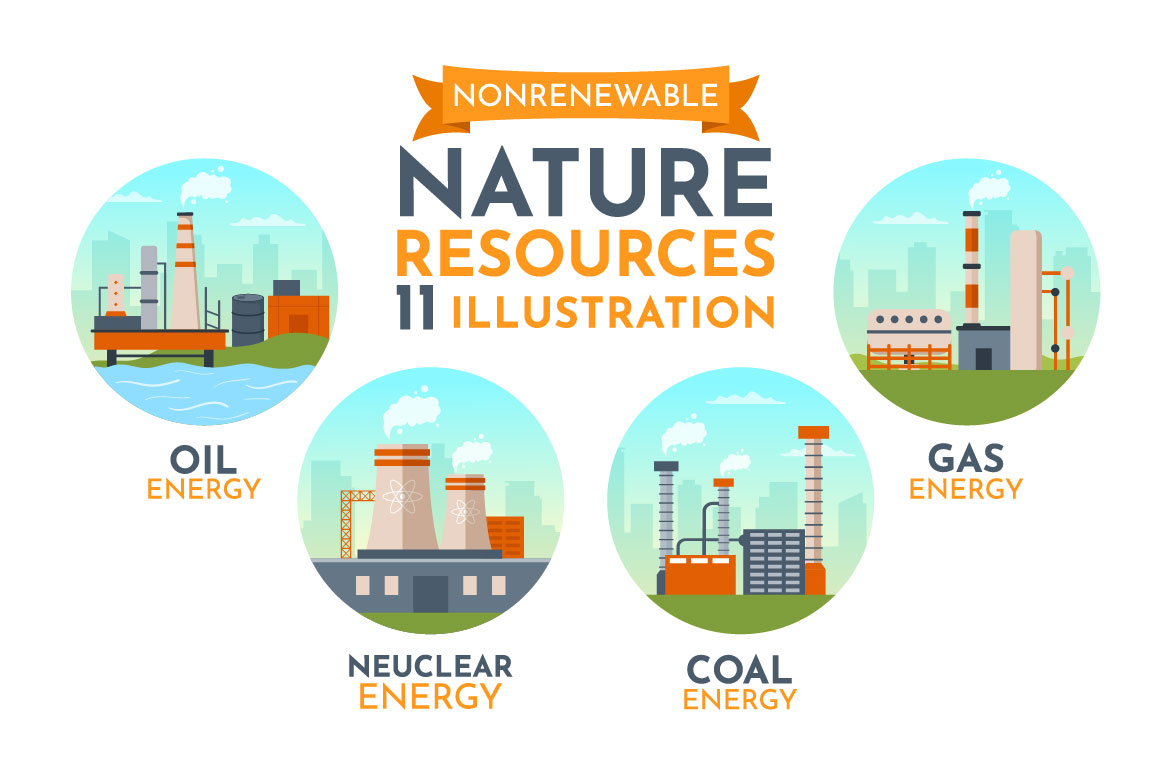
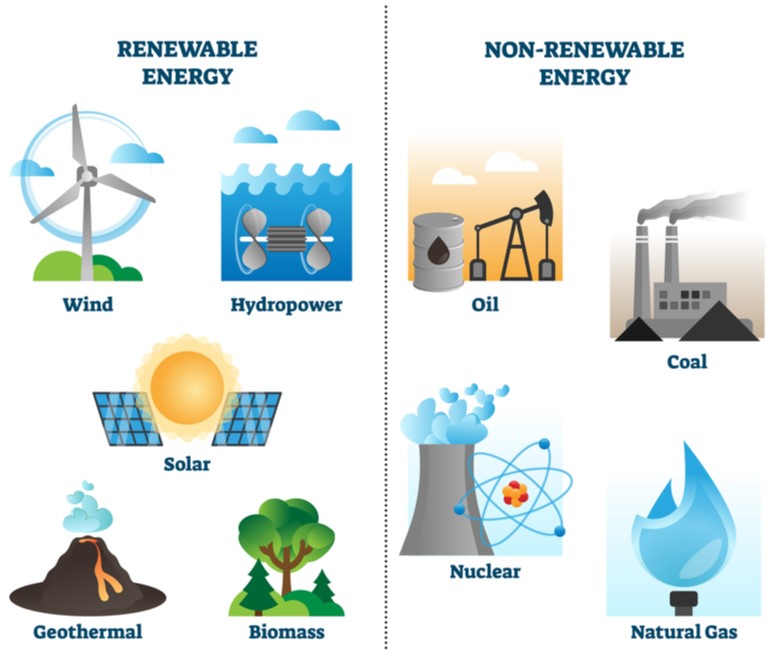
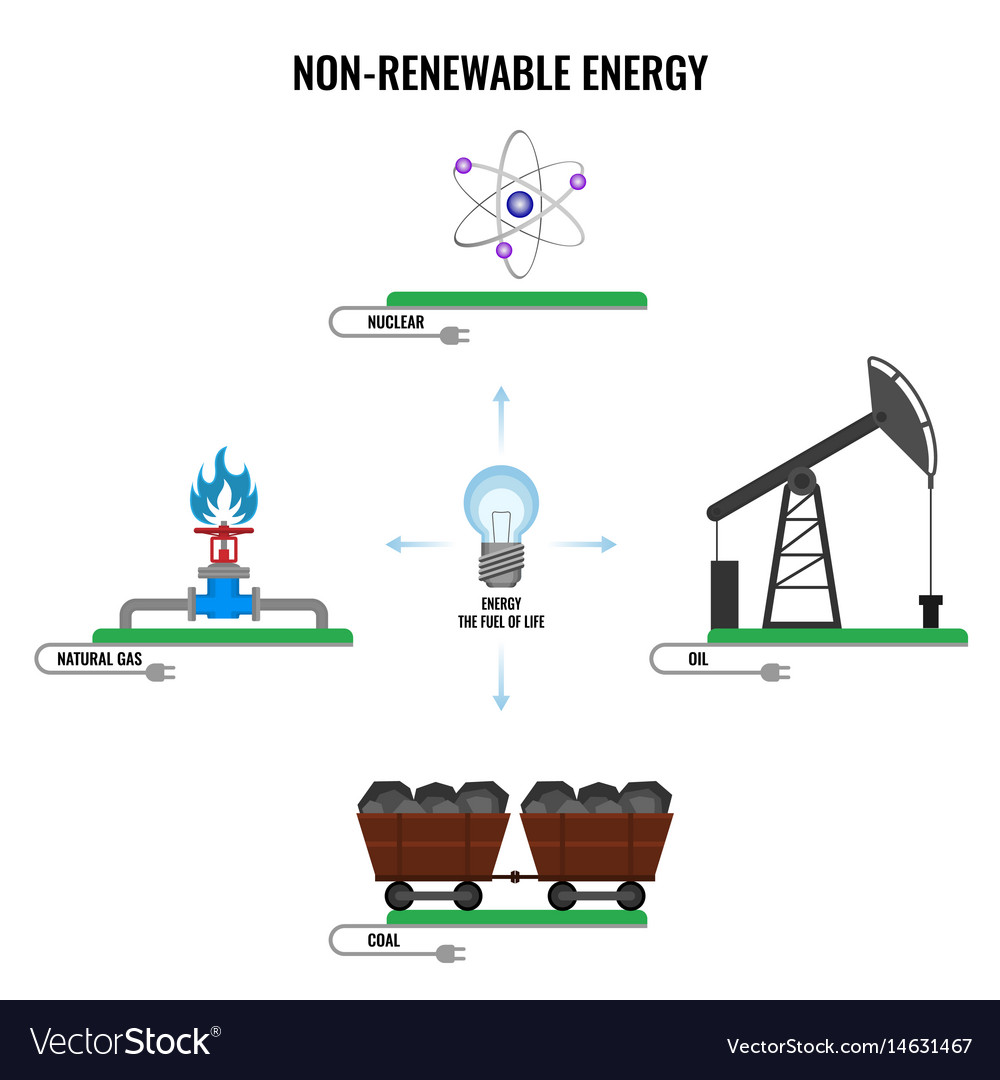
What exactly are these non-renewable sources? The big three are: fossil fuels (coal, oil, and natural gas) and nuclear energy. Let's break them down:
Must Read
- Coal: Think of coal as ancient, compacted plant matter. We burn it to create heat, which then boils water to generate steam that spins turbines and creates electricity. Coal is abundant, making it relatively inexpensive, but it's also the dirtiest of the fossil fuels when it comes to emissions.
- Oil: Also known as petroleum or crude oil, oil is a liquid found underground. It's refined into gasoline, diesel, and other fuels used for transportation, heating, and manufacturing. Oil is incredibly versatile but extracting and burning it can have significant environmental impacts.
- Natural Gas: Primarily methane, natural gas is often used for heating, cooking, and electricity generation. It burns cleaner than coal and oil, but it's still a fossil fuel and contributes to greenhouse gas emissions.
- Nuclear Energy: This involves splitting atoms of uranium in a process called nuclear fission. This process releases tremendous heat, which, like with fossil fuels, boils water to create steam that turns turbines. Nuclear power plants don't release greenhouse gases during operation, but the waste produced is radioactive and requires careful storage.
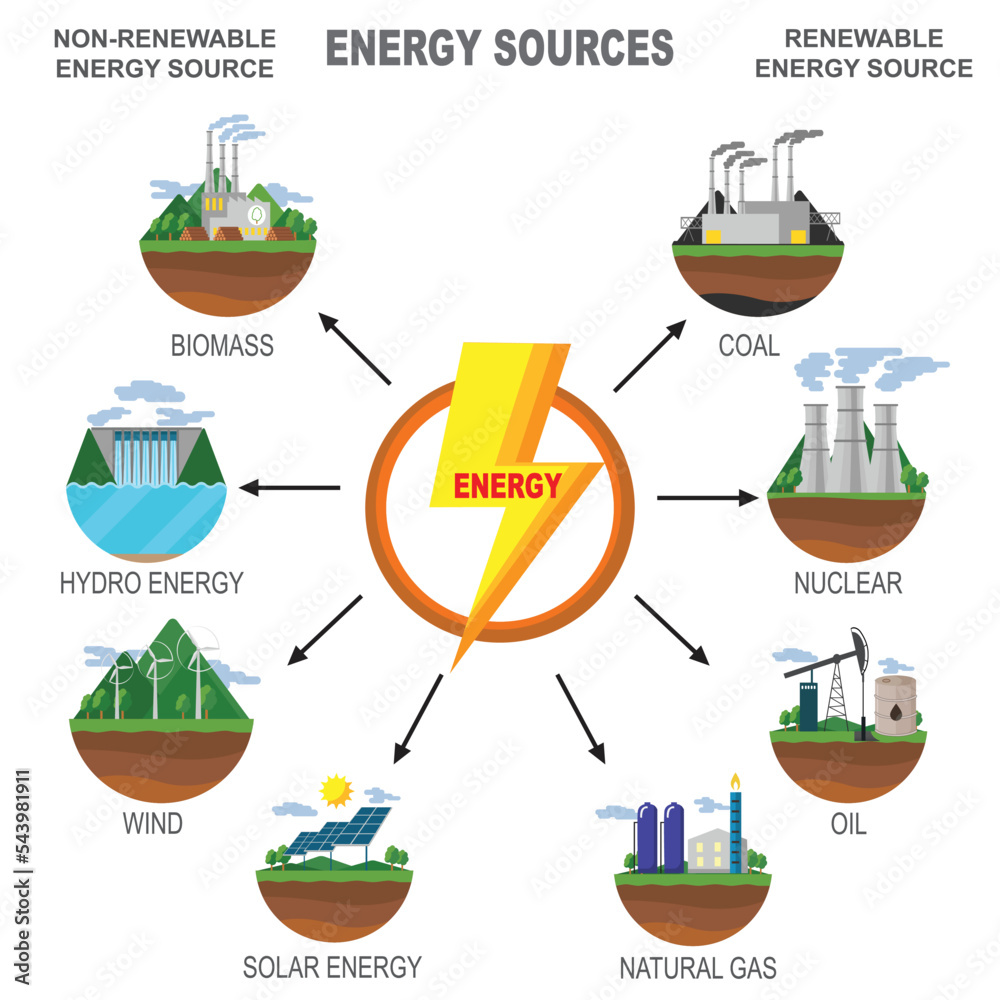
Why are these non-renewable? Simple: they take millions of years to form, or in the case of uranium, are finite resources. We're using them up much faster than they can be replenished. This is why everyone's talking about renewable energy sources like solar and wind, which can be replenished naturally.
Okay, so how can you get started learning more? Here are a few simple steps:
- Read labels: Pay attention to where your electricity comes from. Many energy companies offer breakdowns of their energy sources.
- Reduce your consumption: The less energy you use, the less demand there is for these resources. Turn off lights, unplug devices, and consider energy-efficient appliances.
- Stay informed: Follow news and articles about energy policy and environmental issues.
Understanding non-renewable energy isn't just about facts and figures. It’s about understanding our impact on the planet and empowering ourselves to make informed choices. It might seem a little daunting at first, but trust me, the more you learn, the more fascinating – and valuable – it becomes.