What Are Some Disadvantages To Nuclear Energy
Let's face it, we all love having the lights on! And powering our homes, businesses, and everything in between requires a reliable and efficient energy source. One major player in the energy game is nuclear power, and it's something we should understand, even if it seems a bit... intimidating.
Nuclear energy offers some pretty significant benefits. Think about it: it's a powerful energy source. A relatively small amount of nuclear fuel can generate a huge amount of electricity. That translates to less reliance on fossil fuels like coal and gas, which are known for their contribution to greenhouse gas emissions. Nuclear power plants also operate consistently, providing a stable baseload power supply, meaning they can run pretty much all the time, regardless of the weather. This is crucial for keeping our grids stable and preventing blackouts!
You might not realize it, but nuclear energy touches your life every day. It powers your refrigerator, your computer, the streetlights outside your window, and even the hospital equipment used to diagnose and treat illnesses. It's a critical component of our modern infrastructure, underpinning so many of the conveniences we take for granted. The electricity generated from nuclear plants helps keep prices stable too. It is a valuable resource that ensures power is available to meet demand, especially during peak usage times.
Must Read
But, of course, no energy source is perfect. Let's delve into some of the drawbacks of nuclear energy, because understanding the full picture is essential for informed decision-making.
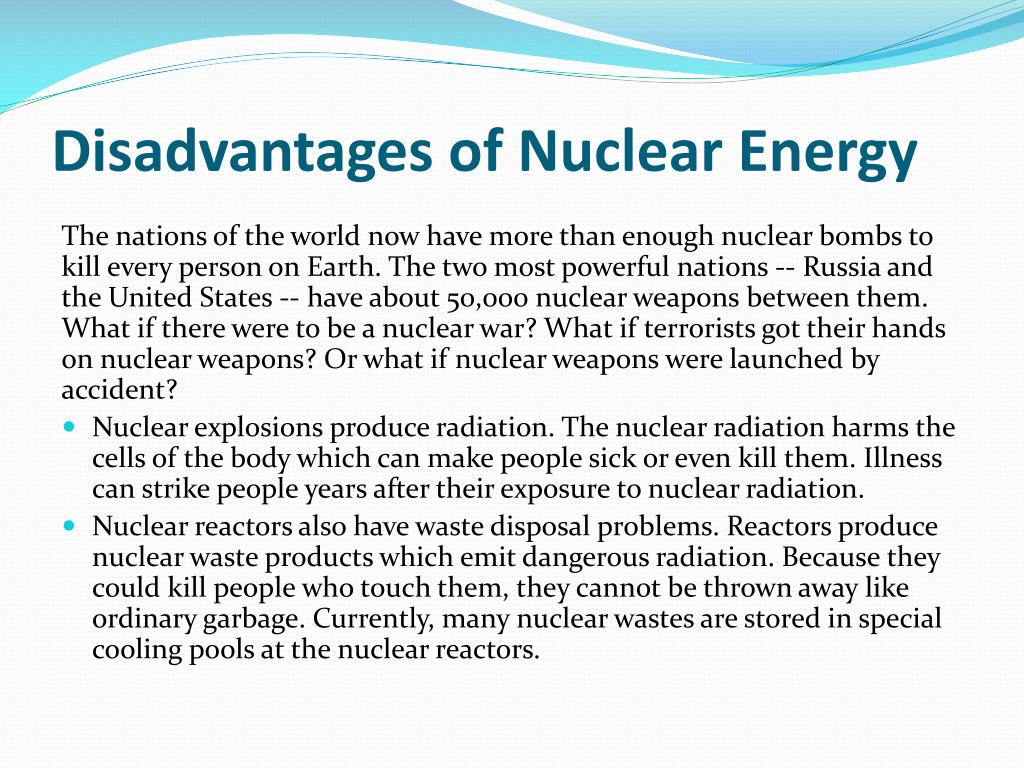
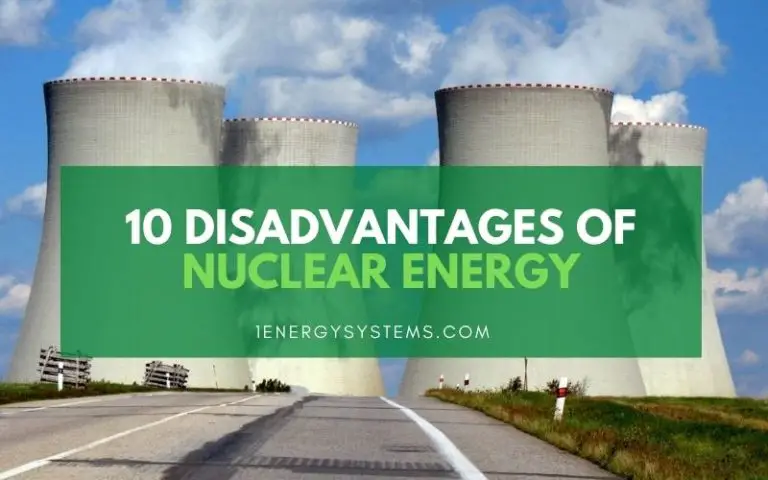
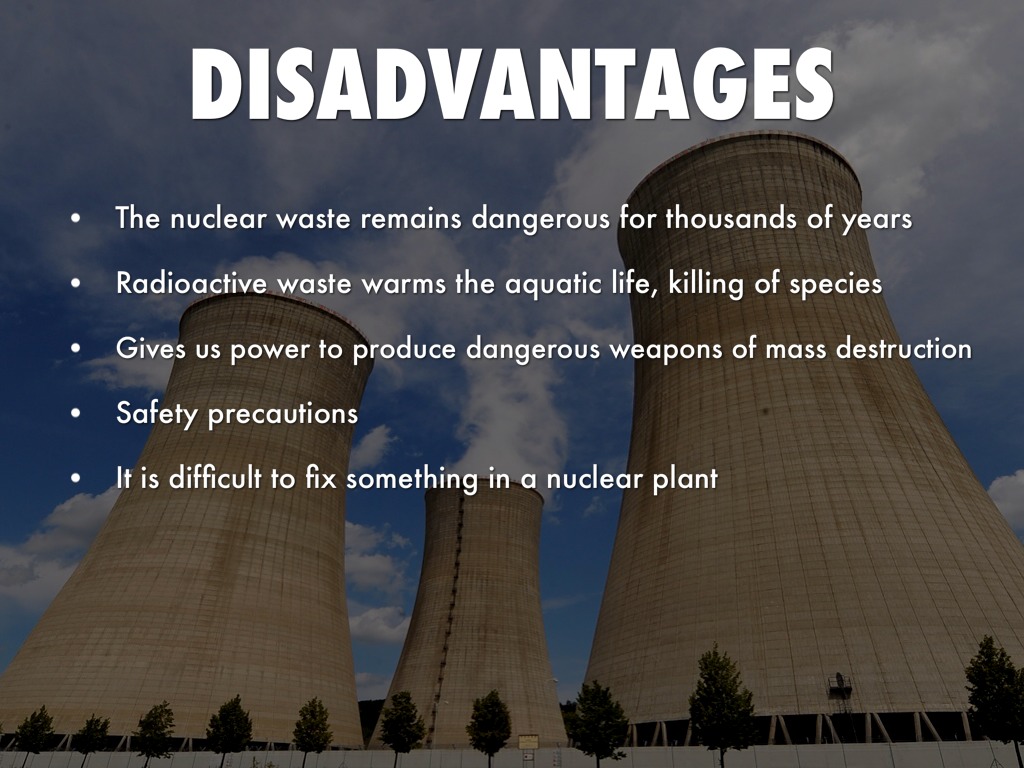
First and foremost, the elephant in the room: nuclear waste. The spent fuel from nuclear reactors remains radioactive for thousands of years. Figuring out how to safely store this waste for that length of time is a complex and ongoing challenge. Currently, most spent fuel is stored on-site at nuclear power plants, but scientists and engineers are actively researching long-term geological storage solutions.

Another major concern is the risk of accidents. While modern nuclear power plants are designed with multiple layers of safety features, the possibility of a major accident, like Chernobyl or Fukushima, cannot be completely eliminated. These events can have devastating consequences for both the environment and human health, leading to displacement, contamination, and long-term health problems.
Furthermore, the cost of building and maintaining nuclear power plants is incredibly high. From initial construction to decommissioning, the financial investment is substantial. This can make nuclear energy less competitive compared to other energy sources, especially in regions with abundant and cheaper alternatives.
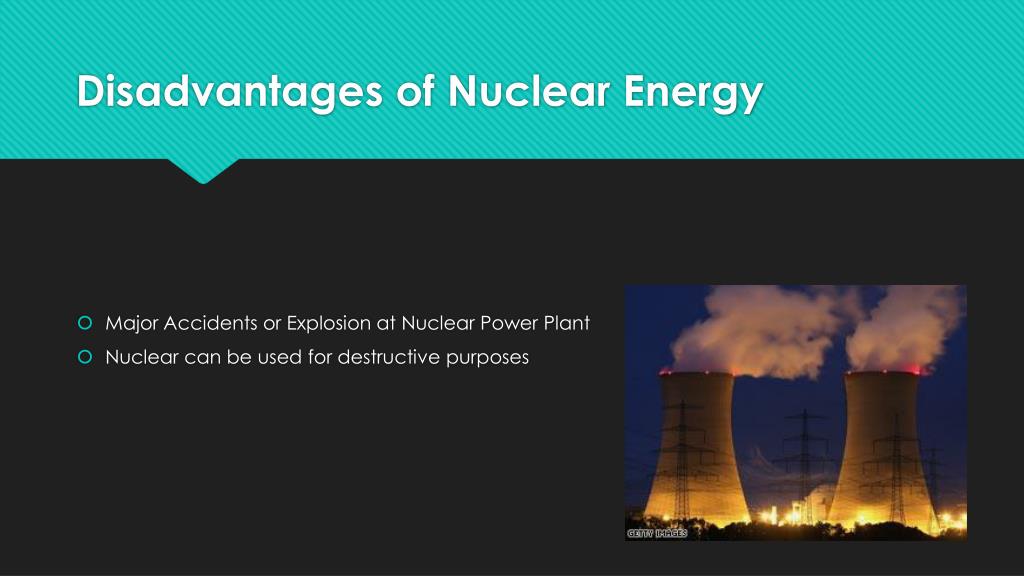
Finally, there's the issue of nuclear proliferation. The same technology used to create nuclear energy can also be used to produce nuclear weapons. This raises concerns about the security of nuclear materials and the potential for misuse. Strong international regulations and safeguards are crucial to prevent the diversion of nuclear materials for nefarious purposes.
So, while nuclear energy provides a reliable and carbon-free source of power, it’s important to be aware of its challenges. By understanding both the benefits and the disadvantages, we can have a more informed and nuanced conversation about the role of nuclear energy in our future energy mix.