
What Are Some Causes Of Water Contamination
Ever wondered why your water sometimes tastes a little...off? Or why you suddenly have that urge to become a water detective? Well, get ready to dive in! We're about to explore the wacky world of water contamination.
It's a Water Mystery!
Think of water contamination like a real-life detective story. Something's amiss, and we need to find out who (or what!) the culprit is.
The Usual Suspects
So, who are the main characters in this aquatic drama? Let's meet some of the most common causes of water woes.
Must Read
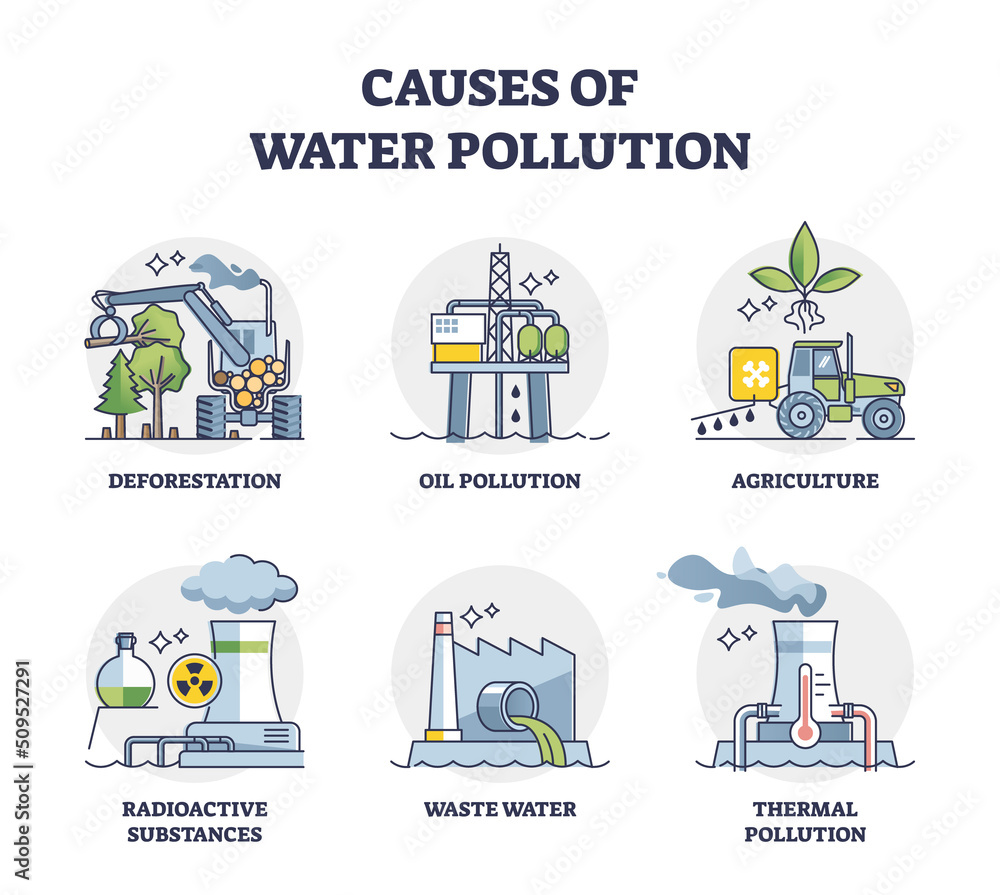
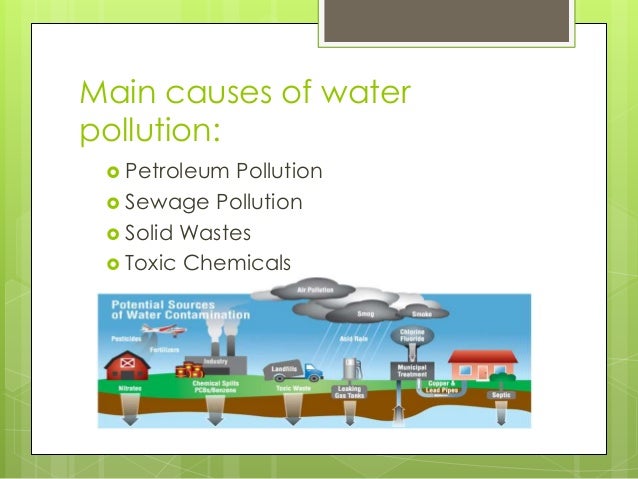
First up: Agricultural Runoff. Picture this: farmers use fertilizers and pesticides to help their crops grow big and strong. Rain washes these chemicals into nearby rivers and lakes. Suddenly, the water's having a chemical party no one invited!
Next, we have Industrial Waste. Factories sometimes release harmful substances into waterways. These substances can include heavy metals and other nasty pollutants. Yikes!
And don't forget Sewage and Wastewater. Untreated sewage can carry bacteria, viruses, and all sorts of unpleasant things. It's definitely not something you want swimming in your drinking water.
There's also Mining Activities. Mining can expose rocks and soil that contain harmful substances. When rain washes over these areas, it can carry those substances into the water supply.
Even Naturally Occurring Contaminants can be a problem! Arsenic, radon, and fluoride can leach into groundwater from rocks and soil. These elements can cause health problems if they're present in high concentrations.
Our Earth's Plumbing Gone Wild!
Think of your plumbing, but on a global scale. Rain is nature's delivery system. It merrily picks up anything and everything on its way to the nearest water body.
Think of fertilizers: The stuff that makes our veggies big and bountiful can be a real menace in excess. Like an over-enthusiastic party guest, it just doesn't know when to stop.
Industrial discharges: These are the secretive sorts, lurking in the shadows. They release all kinds of exotic compounds that your water filter definitely didn't sign up for.
When Nature Gets a Little Too Natural
Turns out, Mother Nature herself can be a bit of a water polluter! It's not always industrial factories or farms creating issues. Sometimes, it's just the natural stuff.
Arsenic, for example, can leach into groundwater from rocks. It's like finding a grumpy old hermit living in your water source. Not cool!
And then there's fluoride. While it's often added to water to help prevent cavities, too much of it naturally can cause problems. Who knew a little good thing could overstay its welcome?
Our Messy Human Habits
Unfortunately, us humans contribute quite a bit to water contamination. Sometimes it's intentional, and sometimes it's just plain carelessness.
Improper disposal of medications: Flushing unused pills down the toilet might seem convenient. But those chemicals end up in the water supply. They create a weird cocktail that nobody ordered!
Leaky septic systems: If your septic system isn't working properly, it can release sewage into the ground. It's like a plumbing nightmare come to life!
It's All Connected!
The fascinating, slightly terrifying thing is how interconnected everything is. What happens upstream affects everyone downstream. It's a water domino effect!
Contamination in one area can easily spread to other areas. It's like a mischievous rumor that just won't die.
That's why it's so important to be mindful of our actions. Protecting our water is a shared responsibility. We're all in this watery boat together!
Why Should We Care?
Okay, so water contamination exists. But why should we even bother getting worked up about it? Let's break it down.
Our health! Contaminated water can cause all sorts of health problems. From minor tummy troubles to serious illnesses. Think of it as a villainous plot twist in your daily life.

The environment! Polluted water can harm aquatic life and ecosystems. Imagine a bustling underwater city suddenly becoming a ghost town. Not a pretty picture.
The economy! Water contamination can impact industries that rely on clean water. Like fishing, agriculture, and tourism. Who wants to vacation next to a polluted lake?
Become a Water Superhero!
So, what can you do to help protect our water? You don't need superpowers or a fancy cape. Simple actions can make a big difference.
Be mindful of what you put down the drain: Avoid flushing medications or pouring chemicals down the sink. Dispose of them properly.
Conserve water: Use less water in your daily life. Turn off the tap while brushing your teeth, and take shorter showers.
Support sustainable agriculture: Choose to buy organic and locally grown foods. This can help reduce the amount of chemicals entering our waterways.
Get involved in your community: Participate in local cleanups and water monitoring programs. Be a voice for clean water!
Fun Water Facts!
Let's lighten the mood with some fun and quirky water facts. Because who says learning about water can't be entertaining?
Did you know that water can exist in three different states: solid (ice), liquid (water), and gas (steam)? It's like a shapeshifting superhero!
The Earth is about 71% water. So, technically, we're living on a giant water planet. Pretty cool, huh?
Water is often called the "universal solvent" because it can dissolve more substances than any other liquid. It's the ultimate cleaning agent of nature!
The End (But the Water Journey Continues!)
So, there you have it: a whirlwind tour of water contamination! Hopefully, you've learned something new and maybe even had a few laughs along the way.
Remember, protecting our water is an ongoing journey. We all have a role to play in keeping our water clean and healthy. So, let's dive in and make a difference!
Now go forth and spread the word. Let's turn everyone into water-conscious superheroes!
Delving Deeper: Specific Contaminants
Want to get really nerdy about water contamination? Let's explore some specific contaminants and their sources. Prepare for some fascinating (and slightly alarming) details!
Nitrates: The Fertilizer Frenzy
Nitrates often come from fertilizers used in agriculture. When these chemicals run off into waterways, they can cause problems. Excess nitrates can lead to algae blooms. These blooms deplete oxygen in the water, harming aquatic life.
Lead: The Old Pipe Problem
Lead can leach into water from old lead pipes. Lead is a neurotoxin, and even low levels of exposure can be harmful. Especially to children. That’s why replacing old pipes is so important!
Pesticides: The Bug Battle Backfire
Pesticides are used to kill insects and other pests. But they can also contaminate water supplies. These chemicals can harm aquatic life and potentially pose health risks to humans.
Pharmaceuticals: The Medicine Mess
Pharmaceuticals can end up in water supplies through improper disposal of medications. Even trace amounts of these drugs can have unintended consequences. Both for aquatic ecosystems and potentially for human health.
Microplastics: The Tiny Terror
Microplastics are tiny plastic particles that come from various sources. Such as plastic waste and synthetic clothing. They're showing up in water supplies all over the world. The long-term effects of microplastic exposure are still being studied.

It's Not All Doom and Gloom!
Okay, so water contamination sounds pretty scary. But it's important to remember that there are solutions! And that dedicated people are working hard to protect our water.
Water treatment plants use various processes to remove contaminants from water. These processes can include filtration, disinfection, and chemical treatment.
Regulations and policies are in place to limit pollution and protect water resources. These regulations help ensure that industries and individuals are held accountable for their actions.
Technological advancements are leading to new and innovative ways to clean up contaminated water. Such as using nanotechnology and bioremediation.
A Call to Action!
Now that you're armed with knowledge about water contamination. It's time to put that knowledge to good use! Here are some things you can do to make a difference:
Stay informed: Keep up to date on water quality issues in your area. Learn about the sources of contamination and the steps being taken to address them.
Advocate for change: Contact your elected officials and urge them to support policies that protect water resources. Let them know that clean water is a priority for you!
Support organizations: Donate to or volunteer with organizations that are working to protect water quality. There are many dedicated groups out there making a real difference.
Lead by example: Make conscious choices in your daily life to reduce your impact on water resources. Conserve water, dispose of waste properly, and support sustainable practices.
So there you have it. Now it's time to put on your detective hat, grab your magnifying glass, and join the quest for cleaner, safer water! The world needs more Water Avengers. Are you ready to answer the call?