What Are Renewable And Non Renewable Sources Of Energy
Okay, picture this: I'm camping, right? Trying to be all "one with nature." But then my phone dies. Cue mini-panic attack. Gotta find a power outlet in the wilderness, said no one ever! But it got me thinking... where does power come from? And why can't I just, like, grow it on trees? (Wouldn't that be cool?)
That's where the whole renewable vs. non-renewable energy thing comes in. It’s basically the difference between resources that can be replenished naturally and those that are finite and will eventually run out. Let's dive in, shall we? It’s less boring than you think, I promise!
Renewable Energy: The Good Guys
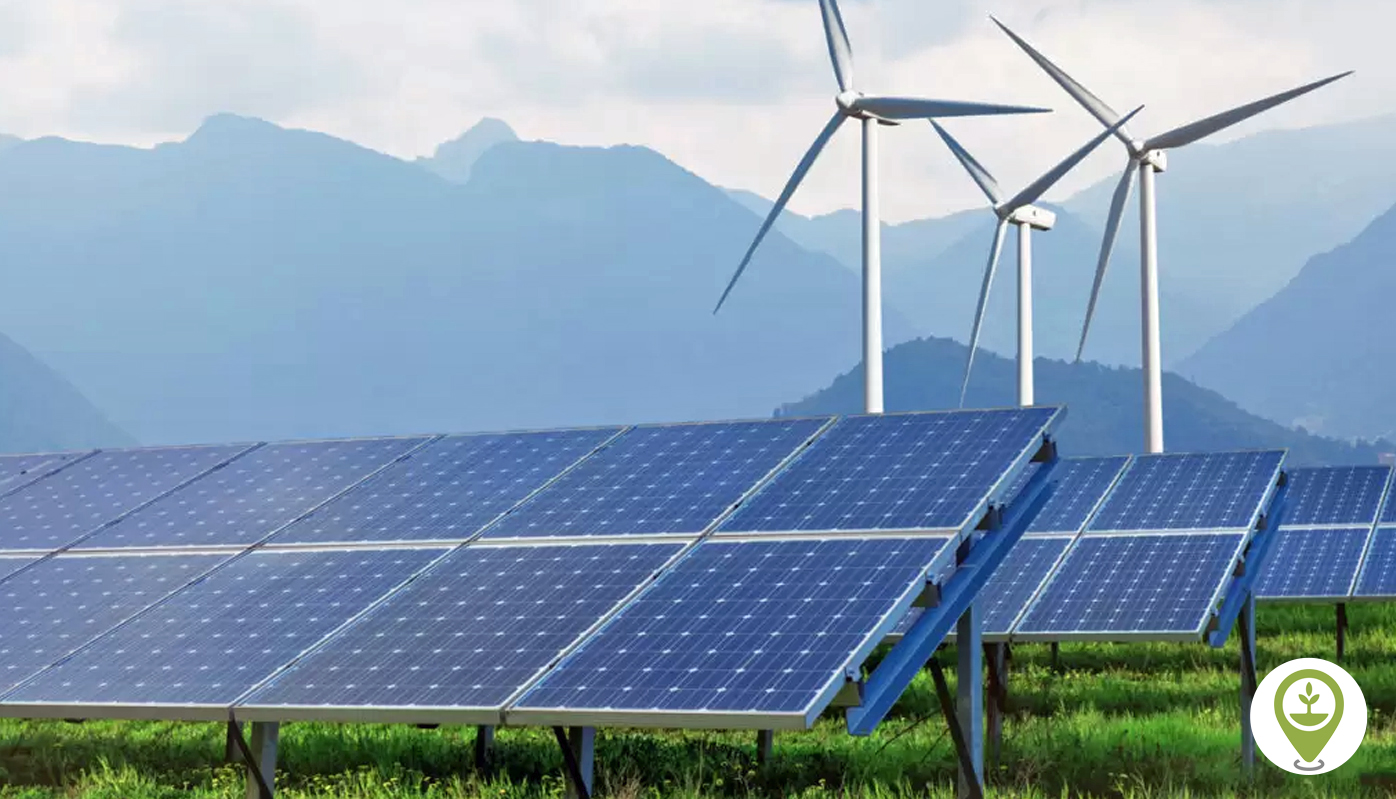
So, renewable energy sources are like the superheroes of the energy world. They get their power from naturally replenishing sources. Think sunshine, wind, water, and even the Earth's own heat. Basically, stuff that isn't going to disappear anytime soon. (Hopefully!)
Must Read
Here's a quick rundown:
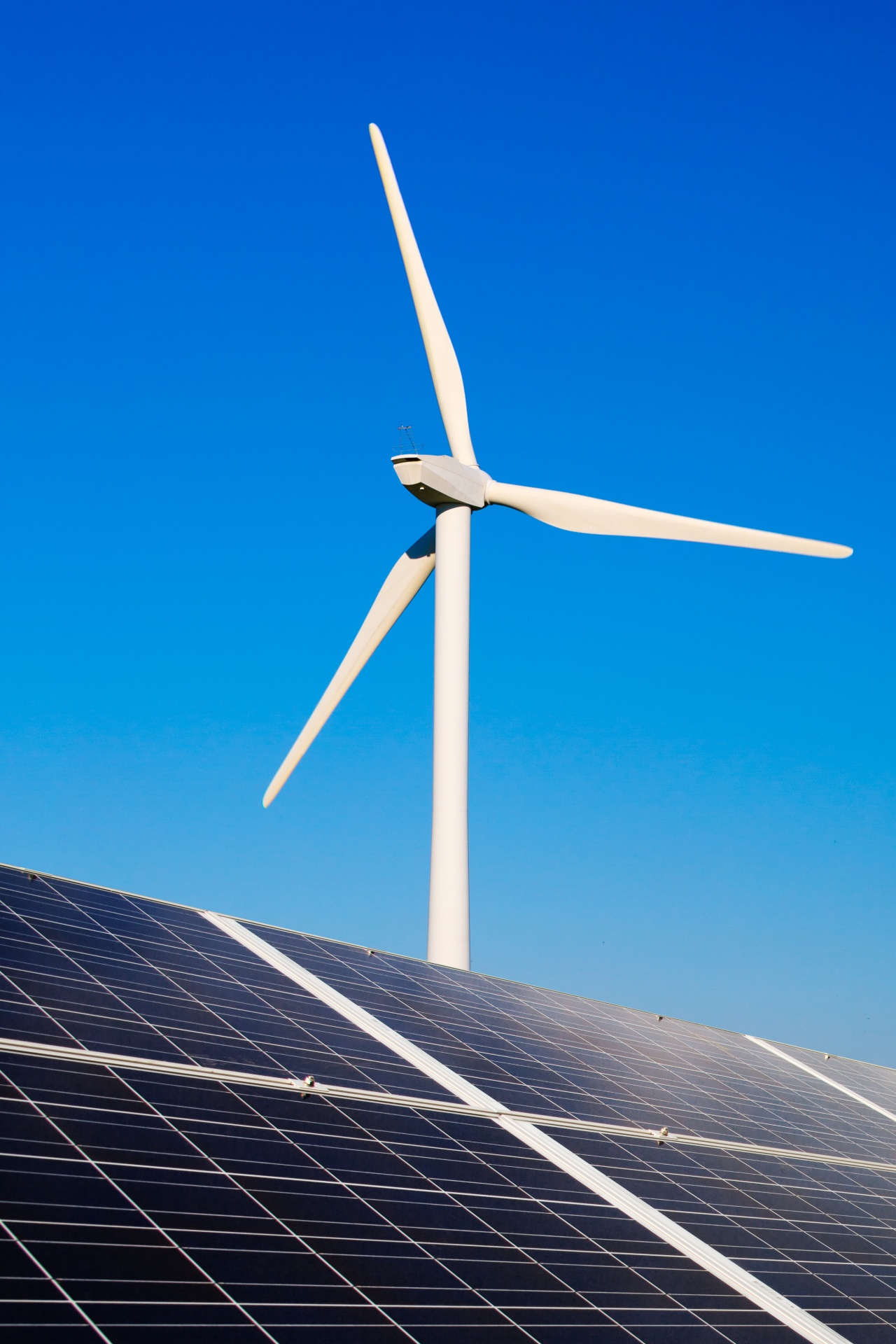
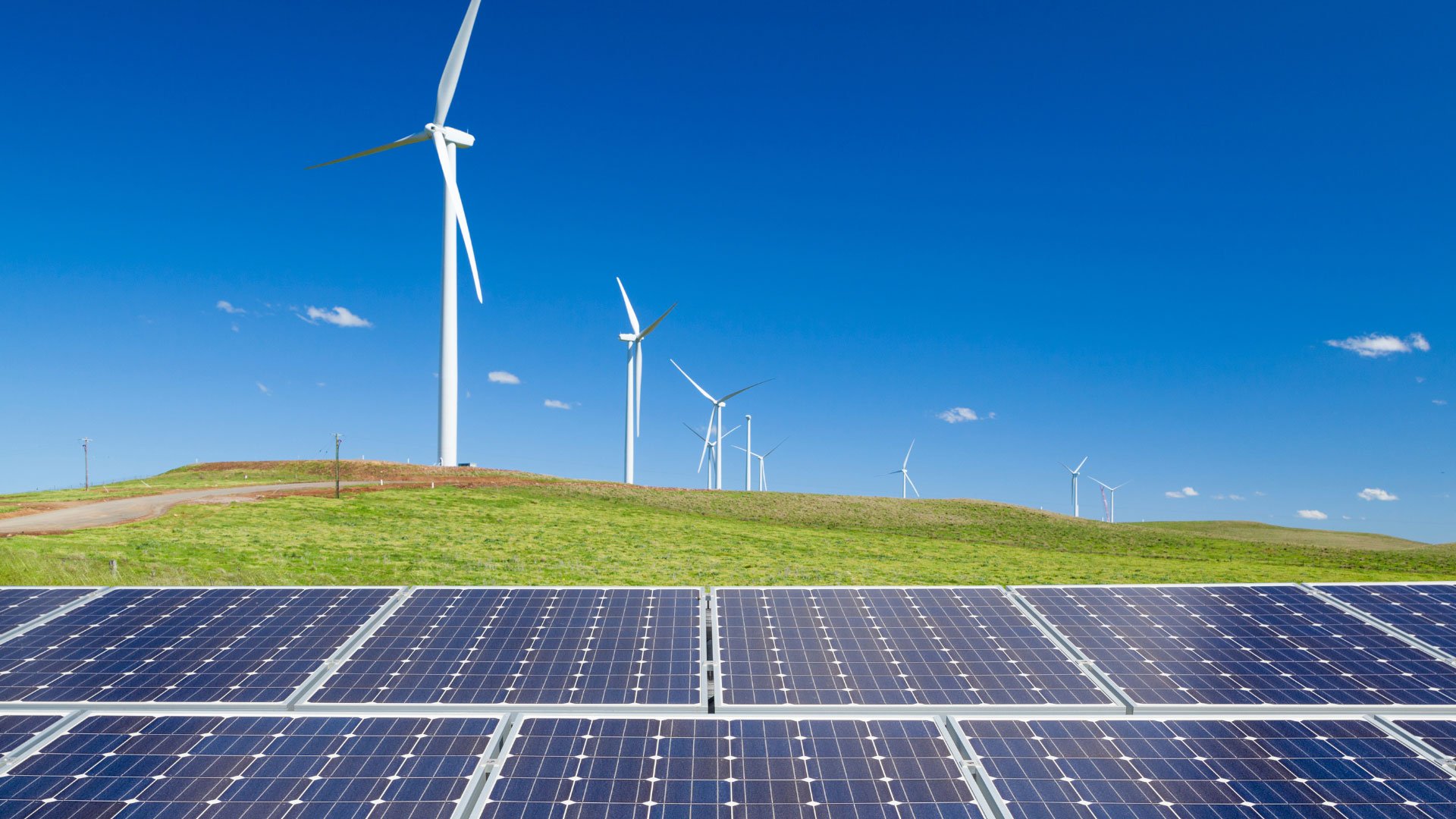
- Solar power: Harnessing the sun's energy with solar panels. Pretty straightforward, right? Think of it as sunbathing for power!
- Wind power: Using wind turbines to convert wind energy into electricity. Those giant windmills you see dotting the landscape? Yeah, those are wind turbines. (They're not just for show, surprisingly!)
- Hydropower: Generating electricity from moving water, usually with dams. Old school, but still effective. And scenic! Ever seen a hydroelectric dam? Majestic, really.
- Geothermal energy: Tapping into the Earth's internal heat to generate electricity or for direct heating. Think hot springs, but on a massive, power-generating scale.
- Biomass energy: Burning organic matter, like wood or crops, to produce electricity. Okay, this one's a little controversial (we'll get to why later).
The great thing about renewables is that they produce little to no greenhouse gas emissions once they're up and running. This helps combat climate change and keeps our planet a bit healthier. Major win! But they also come with their own set of challenges (more on that later too!).
Non-Renewable Energy: The Old Guard
Now, let's talk about the non-renewable energy sources. These are the resources that are finite, meaning there's a limited amount of them on Earth. Once we use them up, they're gone. Poof! Forever. (Okay, not forever, but it takes millions of years to replenish, which, let's be honest, is basically forever for us humans.)
Here are the usual suspects:
- Fossil fuels: This includes coal, oil, and natural gas. These are formed from the remains of ancient plants and animals that have been buried for millions of years. They’re super energy-dense, but burning them releases tons of greenhouse gasses. (Big bummer for the planet.)
- Nuclear energy: This involves splitting atoms (specifically uranium) to release energy. It doesn't produce greenhouse gases, which is good. But... radioactive waste is a huge issue. Think Homer Simpson…but with more complex problems.
The big problem with non-renewable energy is that burning fossil fuels releases greenhouse gasses, which contribute to climate change. This is the main reason there’s a big push to transition to renewable energy. Plus, they're going to run out eventually! So, we can’t rely on them forever. (Common sense, right?)
The Catch (There's Always a Catch, Isn't There?)
Okay, so renewables sound amazing, right? But here’s the deal: they're not perfect. Solar and wind power are intermittent, meaning they only work when the sun is shining or the wind is blowing. (Duh, I know.) This means you need ways to store the energy for when you need it. Battery technology is improving, but it's still a work in progress.
And remember biomass? While technically renewable, burning wood can still release carbon dioxide into the atmosphere. Plus, if you're cutting down forests to burn, you're destroying habitats and reducing the amount of carbon dioxide that trees can absorb. It’s complicated!
Non-renewables, on the other hand, are reliable and readily available. They've been powering our world for centuries. But at what cost? The environmental impact is undeniable.
The Future of Energy
So, what's the solution? Well, there's no single silver bullet. The future of energy will likely involve a mix of renewable and non-renewable sources. (Think of it as an energy smoothie!) But the emphasis needs to be on developing and deploying renewable energy technologies as quickly as possible. It's also important to improve energy efficiency and reduce our overall energy consumption. (Turning off the lights when you leave a room is still a good idea, folks!)
It's a complex issue, but it's one that we all need to be aware of. The choices we make about energy today will have a big impact on the planet's future. Plus, who knows, maybe one day I will be able to charge my phone by plugging it into a solar-powered tree! (A girl can dream, right?)