What Are Normal Carbon Monoxide Levels In A House

Imagine possessing a subtle superpower, not one that lets you fly, but one that gives you profound control and peace of mind over your most cherished space: your home. This isn't about magic, but about understanding something vital and often overlooked – normal carbon monoxide levels. Far from being a dry or daunting subject, delving into this knowledge is like unlocking a new level of home mastery, transforming potential anxiety into absolute assurance. It's about being proactively brilliant, making your living space not just comfortable, but genuinely, invisibly safe.
For anyone who loves their home, their family, or simply the quiet hum of a well-maintained sanctuary, understanding carbon monoxide (CO) levels offers incredible benefits. It provides unshakeable peace of mind, knowing you've taken intelligent steps to protect what matters most. It's a proactive measure that empowers you, turning you into a knowledgeable guardian of your household. For the casual learner, it's an accessible dive into everyday science with immediate, tangible rewards. You're not just reading about safety; you're actively creating it, enhancing the well-being of everyone under your roof, including your beloved pets.
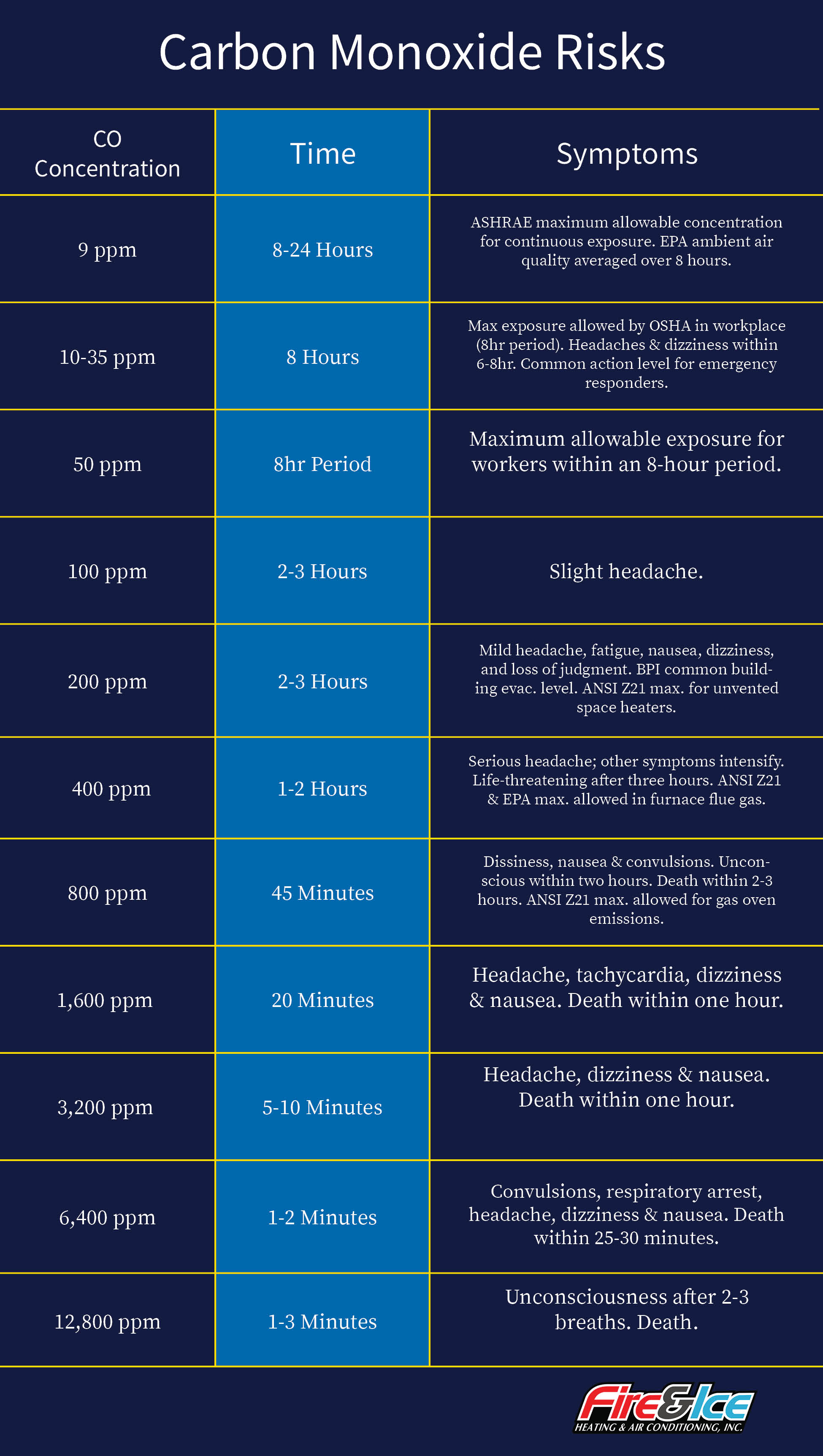
So, what does "normal" actually look like? In a healthy, well-ventilated home without CO-producing appliances, the ideal and normal carbon monoxide level is virtually zero parts per million (ppm). This is your baseline, your golden standard. However, you might occasionally see readings of 1-2 ppm, which can be due to background atmospheric levels or a very minor, temporary emission from an appliance that quickly dissipates. The key is understanding that your CO detector is programmed to ignore these minuscule fluctuations. It's designed to alert you when levels rise to a point that indicates a problem, typically above 35 ppm over an extended period. Your detectors act like vigilant, silent sentinels, distinguishing between the harmless everyday background and anything that truly merits your attention. They protect against dangers from furnaces, water heaters, gas stoves, fireplaces, and even vehicle exhaust, which can all introduce CO if not properly maintained or used.
Must Read
Ready to embrace your inner home safety hero? Trying this "at home" is wonderfully straightforward. Your first mission: installing UL-listed carbon monoxide detectors. Think of them as wise, watchful friends strategically placed near sleeping areas and on every level of your home. Test them regularly, perhaps with your monthly smoke detector check, and replace batteries as recommended. Invest in annual professional maintenance for all fuel-burning appliances – your furnace, water heater, and dryer. This ensures they're running efficiently and safely. And remember the golden rule: never run a car in an attached garage with the door closed, and never use charcoal grills or portable generators indoors. These simple, actionable steps are your toolkit for maintaining that glorious zero ppm.
Ultimately, understanding normal carbon monoxide levels isn't a chore; it's an act of profound care and a commitment to creating an optimal living environment. It’s enjoyable because it brings a deep sense of security and control. You get to rest easy, knowing you’ve mastered an invisible but crucial aspect of home safety. Embrace this knowledge, and savor the beautiful, worry-free peace of a truly safe and understood home. It’s an investment in your well-being, providing the ultimate comfort: the joy of knowing your sanctuary is sound.