What Are Grounding Mats Made Of

Have you ever walked barefoot on the beach and felt an instant wave of calm wash over you? That’s the power of grounding, also known as earthing. And these days, you don't need sand between your toes to tap into those good vibes. Enter: the grounding mat. But what exactly are these mystical mats made of?
Let’s peel back the layers, shall we? Think of it like discovering the secret ingredient in your favorite artisanal coffee. Grounding mats aren't just another wellness fad; they're based on a fascinating principle involving the Earth's natural electrical charge. So, what's the magic formula?
The Core Components: Conductivity is Key
The primary goal of a grounding mat is to create a conductive pathway between you and the Earth’s subtle electrical energy. To achieve this, manufacturers rely on a few key materials:
Must Read
- Carbon-infused rubber or polyurethane: This forms the base of most grounding mats. Carbon is a fantastic conductor, ensuring the flow of electrons. Imagine it as the highway for those feel-good ions!
- Silver fibers or threads: Often woven into the surface, silver is an even better conductor than carbon. Silver's antimicrobial properties are a bonus, keeping your mat fresh and hygienic. It’s like adding a sprinkle of wellness superpowers.
- Connecting cord: This is the critical link to your grounded electrical outlet. This cord doesn't actually use electricity; it only connects to the ground port, channeling the Earth’s energy into the mat. Think of it as your personal energy pipeline.
The combination of these materials allows electrons from the Earth to flow freely into your body, mimicking the experience of being barefoot outdoors. It’s like a high-tech hug from Mother Nature.
A Deeper Dive: Material Variations and Considerations
While the basic principle remains the same, different grounding mat manufacturers might use slightly different materials or construction techniques. Here's a quick rundown:

- Material thickness: Some mats are thin and flexible, while others are thicker and more cushioned. Your choice depends on personal preference and intended use.
- Surface texture: Smooth, textured, or even slightly padded surfaces are available. Consider what feels best against your skin.
- Latex content: If you have a latex allergy, be sure to check the product specifications carefully. Latex-free alternatives are readily available.
- Ethical Sourcing: Look for brands committed to sustainable and ethical sourcing of their materials. After all, connecting with nature should be done responsibly!
Think of it like choosing the right yoga mat. You want something that supports your practice, feels good under your feet (or hands), and aligns with your values.
Practical Tips for Using Your Grounding Mat
Okay, so you’ve got your mat. Now what? Here are a few simple ways to integrate it into your daily routine:
- Under your feet while working: Place it under your desk and let your feet reap the benefits while you type away. It's like a mini-vacation for your soles.
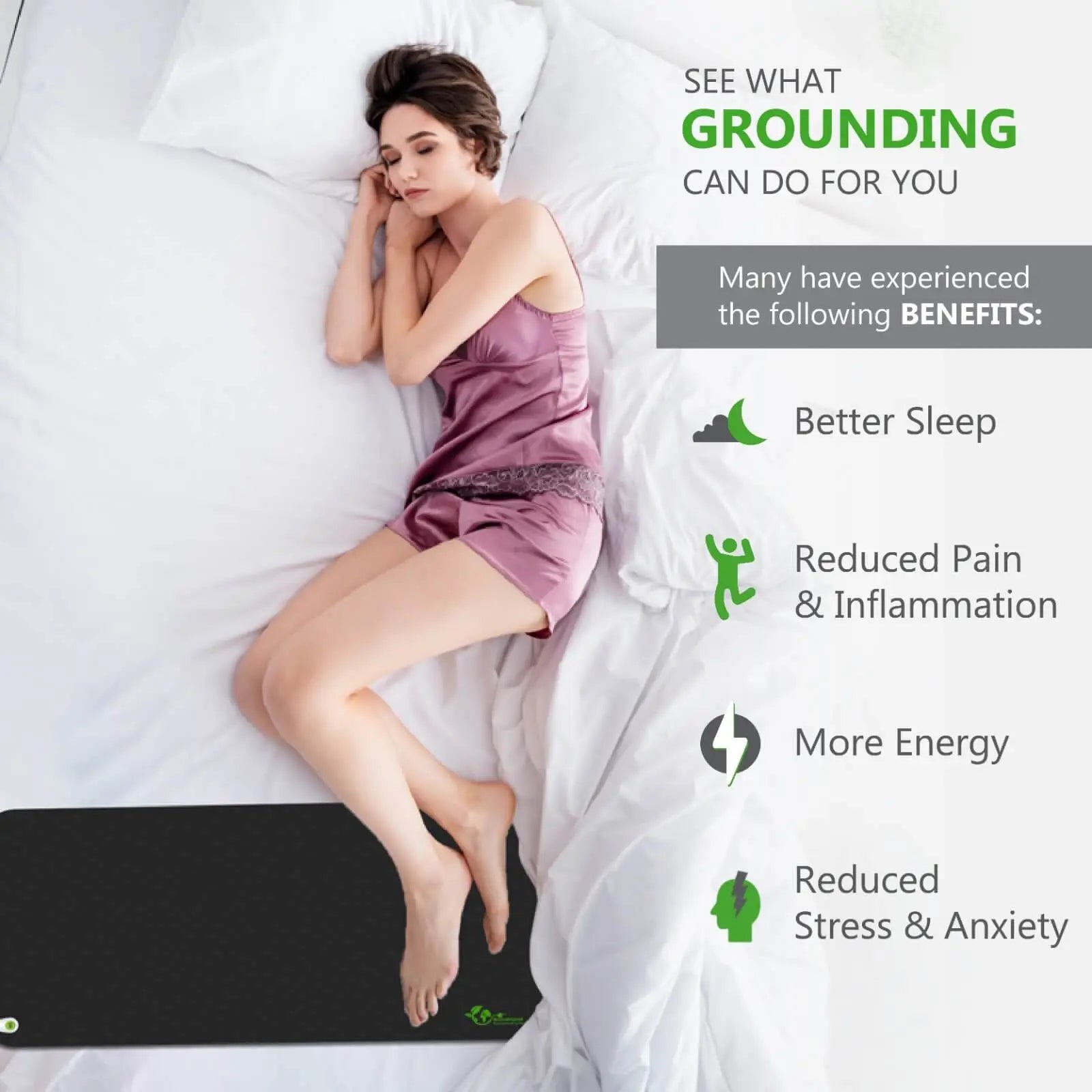
- On your bed while sleeping: Grounding bed sheets or mattress covers can promote deeper, more restful sleep. Imagine waking up feeling refreshed and recharged – naturally.
- During meditation or yoga: Enhance your mindfulness practice by grounding your body and connecting with the Earth's energy. It’s like adding an extra layer of zen.
- While watching TV: Even passive activities can become grounding opportunities. Simply sit with your feet on the mat and relax.
Remember to clean your mat regularly with a mild soap and water solution. Avoid harsh chemicals or abrasive cleaners that could damage the conductive materials.
Grounding: More Than Just a Mat
While grounding mats offer a convenient way to tap into the Earth's energy, it's important to remember that they're just one piece of the puzzle. Spending time in nature, walking barefoot on the grass or sand, and connecting with the natural world are all powerful ways to ground yourself.

As Thoreau famously said, "I went to the woods because I wished to live deliberately." While we might not all be able to retreat to Walden Pond, we can incorporate grounding practices into our modern lives. It's about finding moments of connection, stillness, and balance amidst the chaos.
So, the next time you feel stressed or overwhelmed, take a deep breath, kick off your shoes (or step onto your grounding mat), and reconnect with the Earth. You might be surprised at the difference it makes. It’s a small act with potentially big benefits.
Ultimately, grounding is about remembering our connection to the natural world. In a world that often feels disconnected and digitized, these simple practices can help us find our center and reconnect with the vital energy that sustains us. So, go ahead, get grounded – you deserve it!