
Welding With Flux Wire Welder
You know that feeling when you've got a project, maybe it's that rickety old gate that's been threatening to collapse every time the wind blows, or a beloved garden cart with a wheel that just will not stay straight? You try screws, you try bolts, you even consider industrial-strength zip ties (don't lie, we've all been there). But deep down, you know what it really needs? A proper, solid, welded fix. That's exactly where I found myself, staring at a collection of rusty metal parts, convinced I needed some kind of magic spark to bring them back to life. And that, my friends, is how I tumbled headfirst into the wonderful, slightly messy, world of welding with a flux core welder.
For a long time, the idea of welding seemed like something reserved for grizzled professionals in dusty workshops, surrounded by huge gas bottles and esoteric equipment. It felt intimidating, expensive, and frankly, a bit out of my league. But then I discovered the flux wire welder, and suddenly, the gate, the cart, and a dozen other "someday" projects didn't seem so impossible. This isn't your grandpappy's stick welder, and it's definitely not the intimidating MIG setup with its huge gas cylinder. No, this little beauty is often called the "poor man's MIG" or, more accurately, the DIY enthusiast's best friend.
So, What Exactly Is This Flux Core Magic?
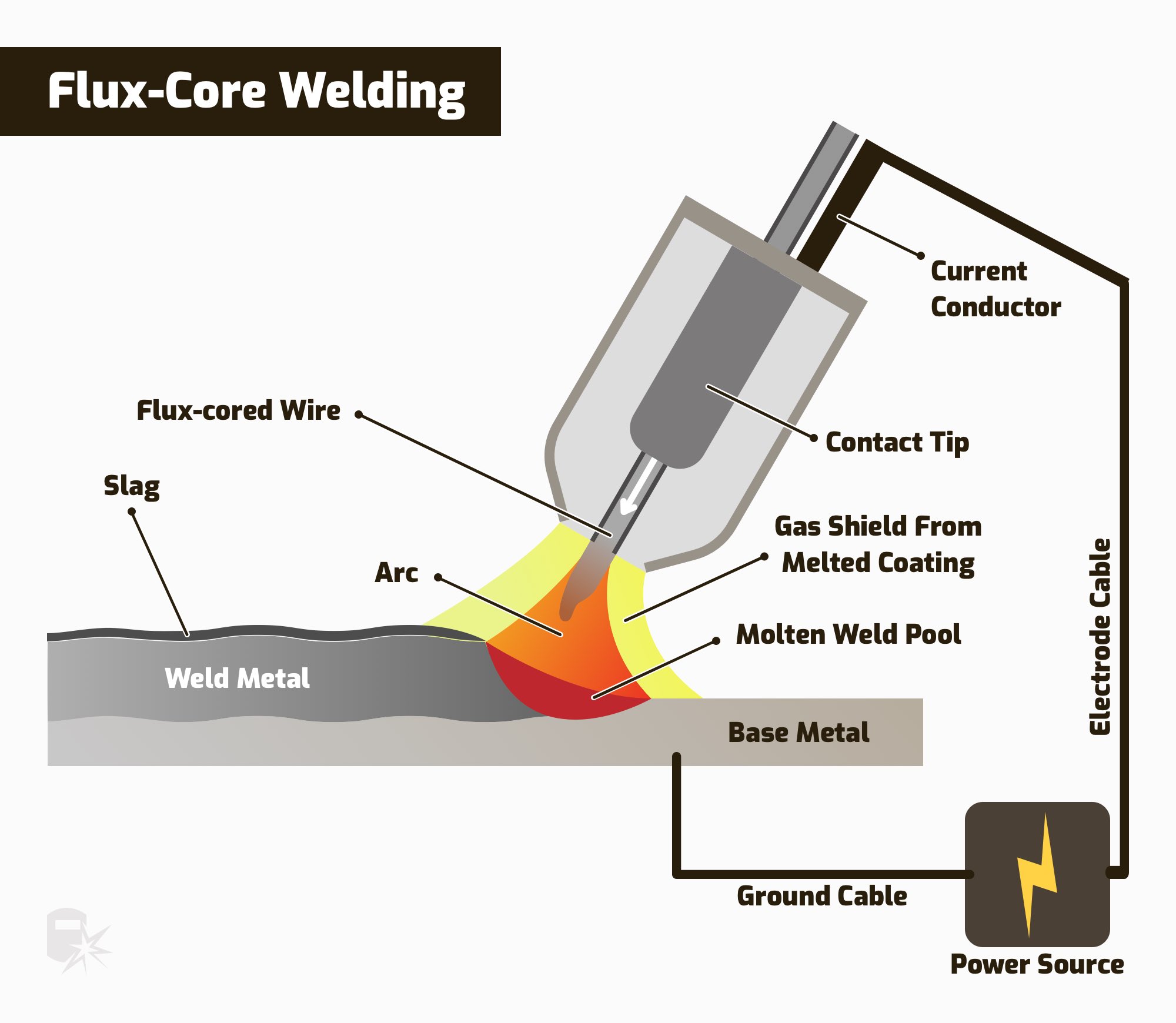
Imagine a welding wire that's not just a solid piece of metal, but one with a special ingredient tucked inside – a flux. This flux, when it melts, creates a gas shield around your weld, protecting it from the nasty stuff in the air (like oxygen and nitrogen) that would otherwise contaminate your beautiful bead. The best part? Because the shielding gas is inside the wire, you don't need an external gas tank! Let that sink in for a second: no gas tank. That's a game-changer for portability and budget, trust me.
Must Read
Why You'll Love Your Flux Core Welder (The Good Stuff)
Let me tell you, there are some seriously compelling reasons why this welder often wins the heart of hobbyists and backyard mechanics:
-
Portability is King: Remember that "no gas tank" thing? It means your welder is much lighter and easier to move around. Want to fix something out in the driveway? Or at a friend's place? No problem! Just plug it in, and you're good to go. It’s like the road trip buddy of welders.
-
Cost-Effective: Generally, flux core machines are more affordable to buy than MIG welders that require gas. And you save on the recurring cost of gas refills. Your wallet will thank you, truly.
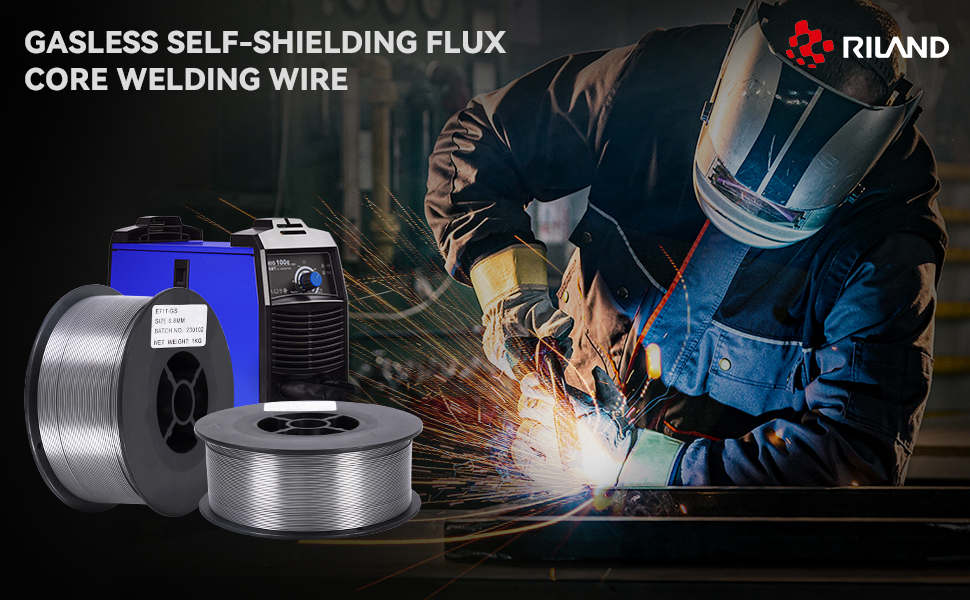
RILAND flux core welding wire 030: E71TGS Gasless Welding Mig Wire .030 -
Handles Less-Than-Perfect Metal: Got some rusty, dirty, or painted metal? Flux core can often burn through those imperfections better than solid wire MIG, giving you decent penetration even when your prep isn't absolutely pristine. It's surprisingly forgiving, which is excellent for us mere mortals.
-
Outdoor Friendly: Wind is the enemy of MIG welding (it blows away the shielding gas). But since flux core creates its own shield internally, a breezy day isn't nearly as big of a deal. You can actually weld outdoors without too much drama.
-
Deep Penetration: Flux core generally offers good penetration, meaning it digs deep into the base metal, creating strong welds. For structural repairs or joining thicker materials, this is a big plus.

Inverter Welding Machine Hbm1200 Dual Voltage Flux Cored Wire Welder
The "But Wait, There's More!" (Things to Know)
No tool is perfect, and the flux core welder has a few quirks you should be aware of:
-
Spatter, Oh the Spatter: Get ready for some fireworks! Flux core welding tends to produce more spatter (tiny balls of molten metal) than solid wire MIG. It's not usually harmful to the weld itself, but it can be a bit messy and requires cleanup. Think of it as glitter for your workshop.
-
Slag Happens: Just like stick welding, flux core leaves behind a layer of slag on top of your weld bead. You'll need to chip or brush this off once the weld cools. It’s an extra step, but totally manageable.
-
Smoke and Fumes: The flux burning off creates a decent amount of smoke. Always make sure you have good ventilation when welding, no matter the process. Your lungs will thank you!

How I Wire Weld Using Flux Core Wire -
Looks Aren't Everything: While flux core welds are strong, they don't always have the super-smooth, aesthetically pleasing look of a well-done MIG weld. For functional repairs where strength is key and looks are secondary, who cares, right?
Ready to Get Started? A Few Pointers for You!
If you're thinking of diving in, here are a few things I learned the hard way (so you don't have to):
-
Safety First, Always: I know, I know, boring! But seriously, a good auto-darkening helmet, welding gloves, and a long-sleeved jacket (preferably flame-resistant) are non-negotiable. Those sparks and UV rays are no joke, folks. Protect those peepers!

How to Use 90 Amp Flux Wire Welder? A Quick Guide -
Practice Makes... Less Ugly: Your first welds probably won't win any beauty contests, and that's okay! Grab some scrap metal and just practice running beads. Experiment with your wire speed and voltage settings. Listen to the sound – a good flux core weld often sounds like sizzling bacon. Find that sweet spot!
-
The "Drag" Technique: For flux core, you generally want to "drag" or "pull" the welding gun, keeping the arc at the leading edge of the puddle. Don't push it like you might with solid wire MIG. Imagine you're drawing a line, slightly pulling the pen.
-
Clean Up is Part of the Process: Once your weld cools, get in there with a chipping hammer and wire brush to remove the slag and spatter. A grinder can also be your best friend for making things look neat. It’s not just welding; it’s welding and finishing.
So, if you've been eyeing those broken metal bits in your garage, or dreaming of building something sturdy and custom, don't let the mystique of welding hold you back. A flux core welder is an accessible, powerful, and incredibly satisfying tool for any DIYer. It's a fantastic entry point into the world of metal fabrication, offering the freedom to create and repair without a huge upfront investment or a complicated setup. Go on, spark up that machine and turn those "someday" projects into "done today" victories. You got this!