
Welding Leads For Stick Welder
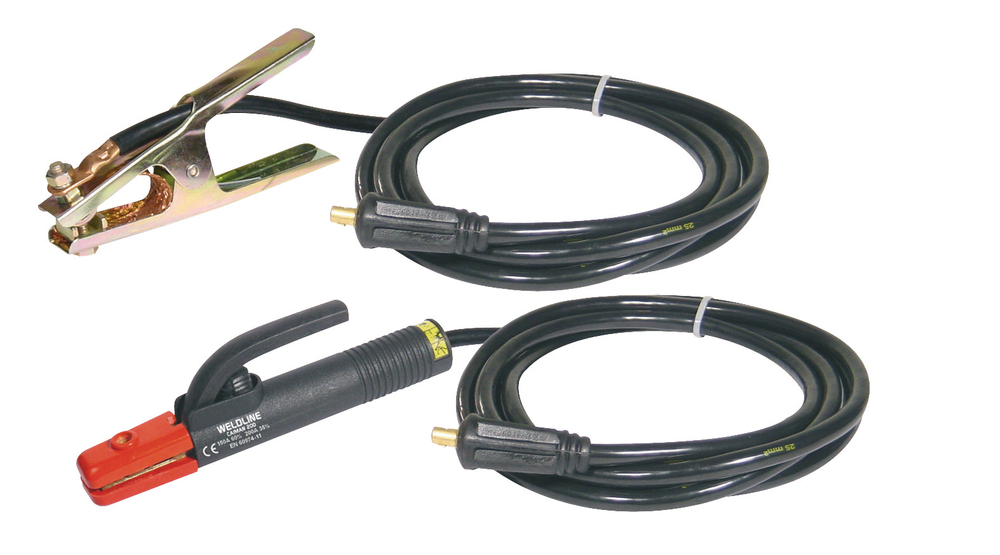
Alright, let's chat about something that’s often overlooked in the world of stick welding, but is absolutely crucial: your welding leads. You know, those big, beefy cables that connect your welder to, well, the magic happening at the tip of your rod. They're the literal lifelines of your operation, and honestly, they deserve a bit more respect than they usually get.
Think of your welding leads like the data cable for your internet. You can have the fastest internet plan in the world, a super-powered router, but if you’re trying to stream 4K movies through a cheap, chewed-up CAT5 cable from 2003, you’re gonna have a bad time. Buffering. Lag. Frustration. Welding leads are no different. They carry the electrical current that melts metal, and a weak link in that chain means weak welds, or worse, no weld at all.
The Mighty Cable: The Veins of Your Welder
First up, the cable itself. This is the big copper artery carrying all that electrical goodness. You’ll hear talk about gauge, like 1/0, 2/0, #2, #4. Think of it like a garden hose. Want to water a small flower pot? A skinny hose is fine. Want to fill a swimming pool in a hurry? You need a fire hose! Same principle here. Thicker gauge (smaller number, confusingly) means more current can flow without overheating. Skimp on this, and your leads get hot enough to cook a breakfast sausage. Not ideal.
Must Read
And let's not forget flexibility. Nobody wants to wrestle a stiff, uncooperative boa constrictor every time they want to move their welder. Good leads are supple, easy to coil, and don't try to trip you up like a mischievous toddler when you're walking across the shop floor. A stiff lead is a recipe for exasperation and probably a few stubbed toes.
The Connection Points: Where the Magic Happens (or Doesn't)
Next, the connections. These are where your cable meets the machine, and where the electrode holder (stinger) and ground clamp attach. There are a few common types – Dinse, Lenco, Tweco – all doing the same job: making a secure electrical connection. But try to mix them up, and it's like trying to plug a USB-A into a USB-C port. It just ain't happening, chief.
A loose connection here is like a bad blind date: no spark, no chemistry, just a lot of awkward silence and wasted effort. You want those connections tight, clean, and happy. A little bit of maintenance goes a long way in preventing those phantom arc issues that make you question your welding sanity.
The Stinger: Your Welding Hand
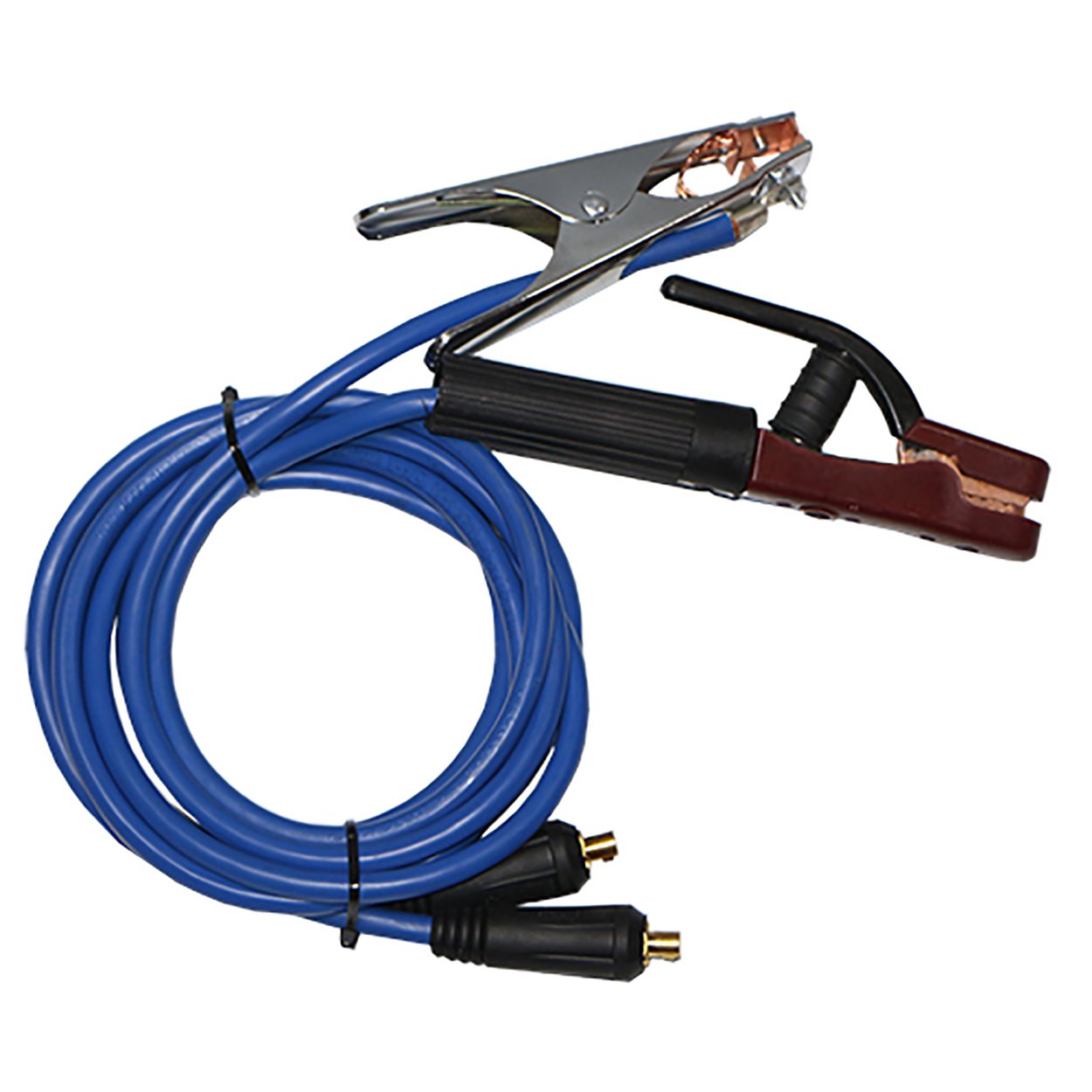
Ah, the electrode holder, lovingly called the stinger. This is where you actually hold the welding rod, so comfort and grip are key. Some people prefer the classic screw-type, others like the twist-lock. It's like choosing between a wrench and a socket set – both do the job, but one just feels better in your hand. A good stinger holds the rod firm, doesn’t overheat in your hand, and lets you focus on laying down that beautiful bead, not fighting with a wobbly electrode.
The Ground Clamp: The Unsung Hero
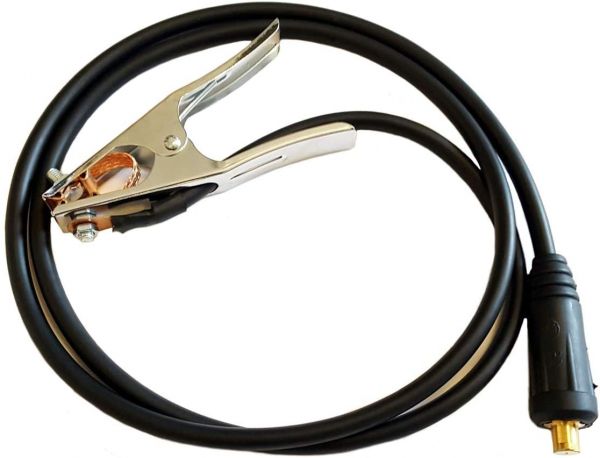
And then there's the ground clamp. Often neglected, sometimes scorned, but absolutely vital. It completes the circuit. If your ground clamp is attached to paint, rust, or a prayer, you're going to get an arc that sputters like an old lawnmower trying to start on a cold morning. Clean metal is your friend here. A solid ground connection is the silent partner making all the magic happen. Without it, your welder is just a very expensive paperweight.
Tales From The Shop Floor: The Perils of Poor Leads
I’ve seen it all. Leads with insulation chewed through by a stray rodent (or an overzealous angle grinder). Connections taped up with electrical tape, because "it'll hold." Leads so stiff they could stand up on their own. These aren't just minor inconveniences; they're hazards and sources of endless frustration. Imagine trying to weld and your arc just... dies. Or it flickers like a haunted house light bulb. That's usually your leads silently screaming for help.

Or what about the time you're just five feet short of reaching that perfect welding spot? You pull, you tug, you stretch, and suddenly you're doing a limbo dance under your own cables. We’ve all been there. It's the universe's way of telling you to invest in proper lead length, or at least a good extension cable.
Treat Your Leads Right
So, what’s the takeaway? Treat your leads like the precious commodities they are. Coil them neatly after use – don't just throw them in a tangled heap. Inspect them regularly for cuts, nicks, and loose connections. Keep those brass contacts clean. A little bit of care will prevent a lot of headaches, wasted time, and dodgy welds.
Your welding leads might not be as flashy as your welder, or as satisfying as a perfect bead, but they are the silent, sturdy backbone of your stick welding setup. Give them the love they deserve, and they'll never let you down. Well, usually. We are talking about welding here, after all. There's always a curveball!
