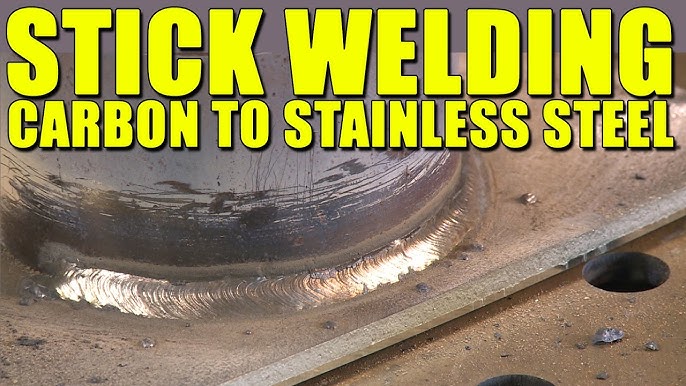
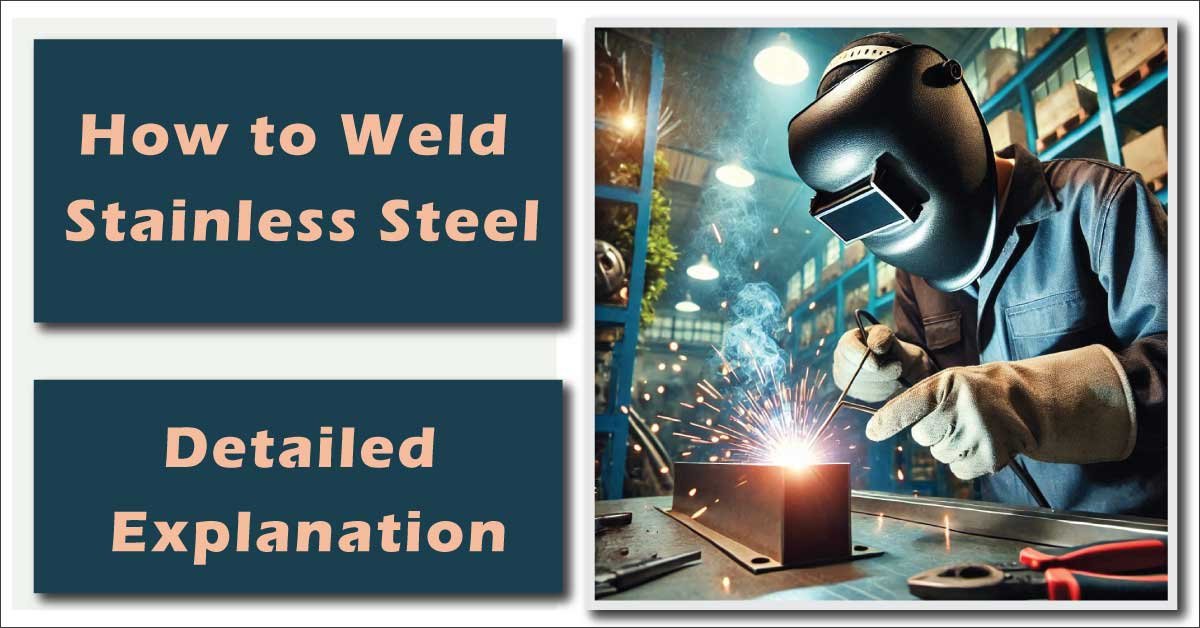
Weld Steel To Stainless Steel
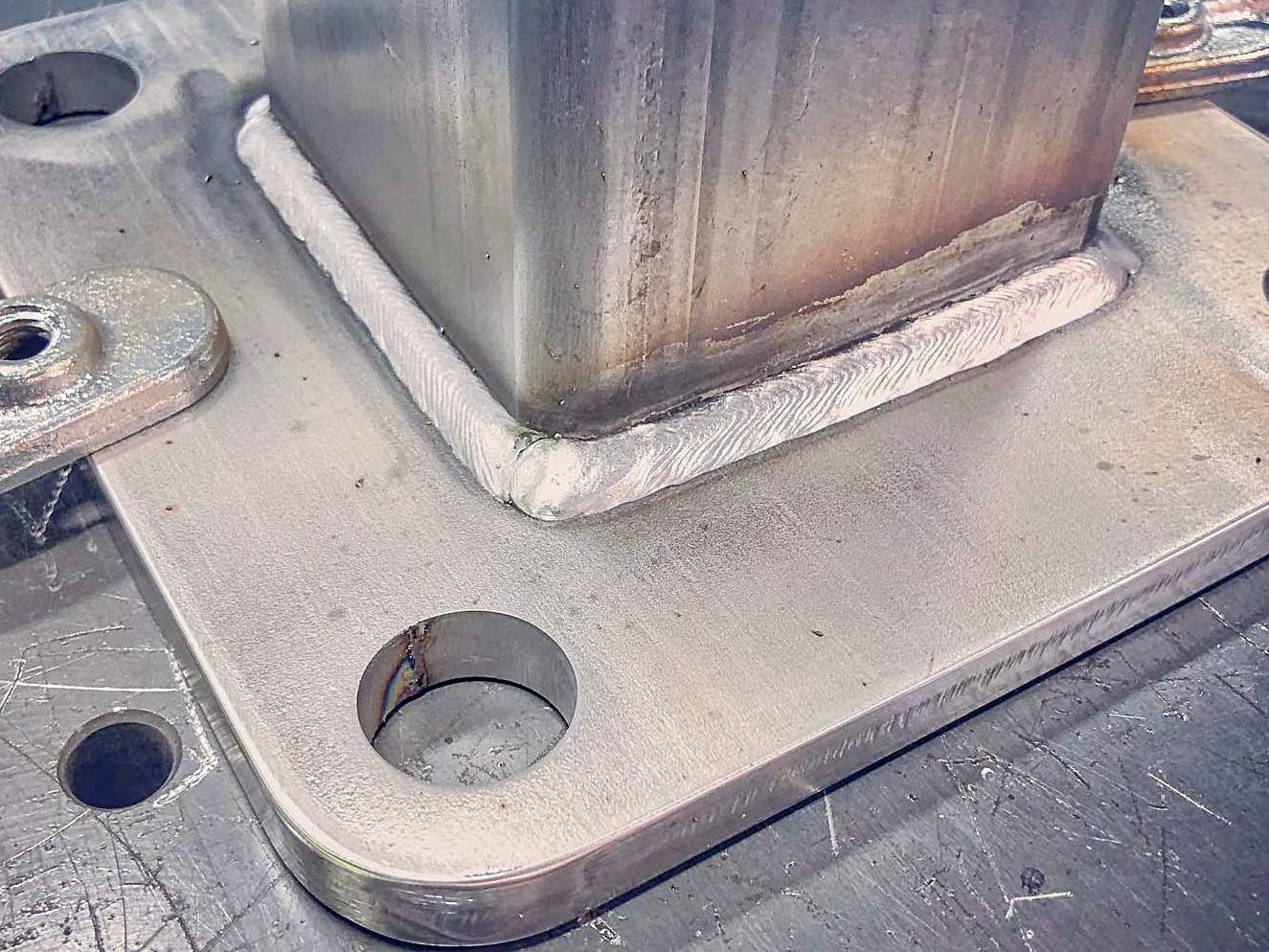
Have you ever looked at something broken, or imagined a creation that needed to be impossibly strong yet beautifully resilient? There’s a special kind of magic in taking two separate pieces of metal and making them one, stronger than before. But what if those two pieces are as different as, say, a sturdy workhorse and a gleaming, impervious knight? We’re talking about the fascinating art of fusing two worlds: welding common steel to its shinier, more sophisticated cousin, stainless steel.
This isn't just an obscure industrial trick; it’s a brilliant solution that brings tangible benefits into our everyday lives. Think about it: you want the robust, economical strength of carbon steel for a frame, but the pristine, rust-defying qualities of stainless steel for a component that faces the elements or demanding hygienic conditions. By welding them together, you get the best of both. This hybrid approach offers incredible durability and corrosion resistance where it’s most needed, without the prohibitive cost of building the entire structure from stainless steel. It’s about smart engineering, extending the lifespan of products, and creating versatile structures that stand the test of time and environment.
So, where does this ingenious technique show up? Everywhere once you start looking! In your kitchen, the gleaming stainless steel parts of an appliance might be securely welded to an underlying carbon steel frame for structural integrity. Automotive enthusiasts often encounter it in custom exhaust systems, where a tough carbon steel manifold transitions to a long-lasting stainless steel muffler. Restaurants rely on it for hygienic stainless food prep surfaces mounted onto sturdy steel bases. Even in architecture, you might find decorative stainless steel elements meticulously joined to a building's steel skeleton. From industrial machinery to custom barbecue smokers in your backyard, the marriage of these two metals creates superior products for a myriad of applications.
Must Read
If you're looking to try your hand at this metallic alchemy, a few practical tips can make the experience more effective and enjoyable. First and foremost, safety first, always! Proper personal protective equipment (PPE) like a welding helmet, gloves, and protective clothing is non-negotiable. When it comes to the actual weld, the key often lies in selecting the right filler metal. Because you're joining dissimilar metals, a high-nickel stainless steel filler rod (like 309L) is typically recommended, as it tolerates the different chemistries. Also, remember that cleanliness is next to godliness in welding; thoroughly clean both surfaces of any rust, oil, or contaminants. Finally, stainless steel reacts differently to heat than carbon steel – it expands more and conducts heat less efficiently. So, learn to manage your heat input carefully to prevent warpage and achieve a solid, beautiful bond. With a little practice and patience, you'll be creating strong, hybrid masterpieces in no time!