
Weld Exhaust With Flux Core

Alright, gather ‘round, folks, and pull up a virtual stool. Imagine this: you’re in your garage, sparks are flying, metal is joining, and you’re feeling like a total industrial superhero. You’re welding! Specifically, you’re wrangling that fantastic, messy beast known as flux core welding. Now, if you’ve ever touched a flux core welder, you know what comes next, right?
A cloud. Oh, what a cloud! Not the fluffy, white, daydreaming kind. More like a surprise fog bank that decided your workshop was the perfect spot for an impromptu, gritty rave. This isn't just a little puff of smoke; this is a full-blown atmospheric event. And trust me, it’s not just for dramatic effect.
The Great Flux Core Smoke-A-Thon
So, what exactly is flux core welding? Think of it like a superhero with a secret identity – or in this case, a secret ingredient. Unlike MIG welding, which needs a separate shielding gas tank (a bit like carrying around a personal oxygen supply for your weld), flux core has a special ingredient inside the wire. It’s a bit like a tiny, self-contained chemical party happening right at the tip of your torch. And when that party gets heated up, it puts on a spectacular, if somewhat suffocating, show.
Must Read
That special ingredient, the "flux," is there to do a vital job: it protects your molten metal from the nasty oxygen and nitrogen lurking in the air, ensuring your weld is strong and pretty. But as a delightful byproduct of this protection, it produces a fair amount of slag (which you chip off later) and, you guessed it, a copious amount of smoke. We're talking about a cloud that could rival a cheap smoke machine at a middle school dance. It's prolific. It's pungent. And if you’re not careful, it’ll turn your workshop into a hazy, post-apocalyptic movie set faster than you can say "respiratory irritation."
I mean, seriously, have you ever tried to see your actual weld through that stuff? It’s like trying to find a needle in a haystack… a haystack that’s actively on fire and smells vaguely of burnt popcorn and metallic misery. It's a true test of a welder's patience and ability to weld by feel alone. Which, for the record, is not ideal for precision work!

Why the Fuss About a Little Smoke?
Now, you might be thinking, "What's the big deal? It's just smoke!" Ah, my dear reader, if only it were just innocent smoke. This isn't your grandma’s fireplace smoke (though that’s not great either). Flux core fumes are a cocktail of microscopic particles, gases, and often, some pretty unfriendly metal oxides. We're talking about a microscopic mosh pit of things like manganese, chromium, nickel, and iron oxides, depending on what you’re welding.
Inhaling this stuff repeatedly is less of a minor inconvenience and more of a ticket to a fun-filled evening of metal fume fever – which, despite its cool name, is essentially like having a really rotten flu after a day of welding. Think chills, fever, nausea, muscle aches. Not exactly prime time for kicking back with a cold beverage, is it? And that's just the immediate stuff. Long-term exposure? Let’s just say your lungs prefer clean air to a constant diet of tiny metal particles and chemical vapor.
It’s like inviting a bunch of tiny, invisible ninjas into your respiratory system. They don’t just politely knock and leave; they set up camp and start redecorating your lungs. Not cool, ninjas. Not cool.

Enter the Hero: Weld Exhaust Ventilation!
So, what's a fearless, flux-core-wielding hero to do? You need a sidekick. A protector. You need weld exhaust ventilation. This isn’t just a fancy phrase; it’s your lungs' best friend. It’s the invisible bouncer that kicks those tiny, unwanted party crashers out of your air space.
Think of it this way: when you're cooking bacon (which also creates glorious, albeit greasy, smoke), you turn on the range hood, right? You don't just stand there breathing it all in, hoping your shirt absorbs the smell forever. Welding fumes are a million times more potent and potentially harmful than bacon grease. Your lungs deserve better!
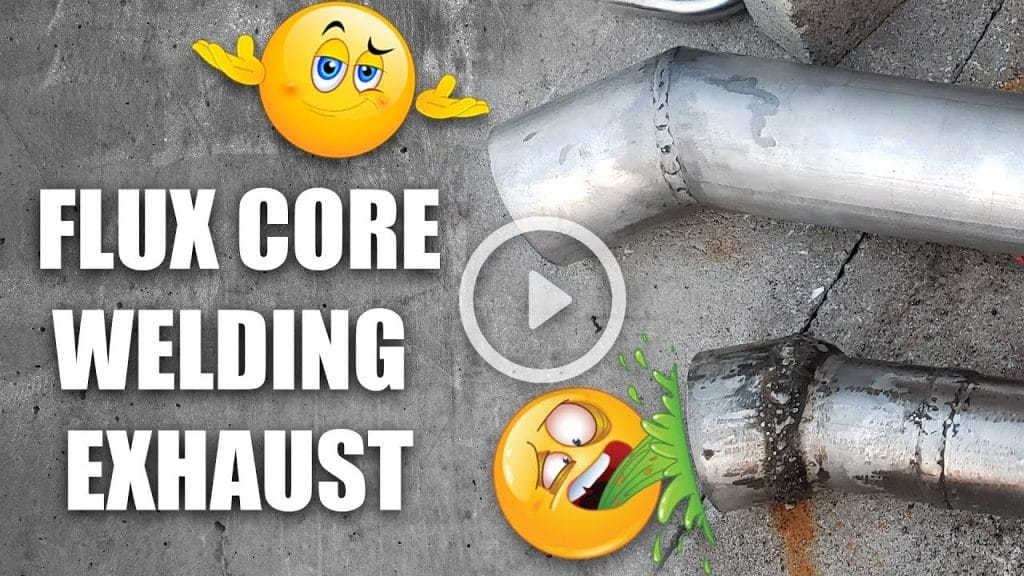
There are a few ways to tackle this smoky beast. The most basic, and arguably least effective for heavy work, is general ventilation – basically, opening windows and doors and hoping for a stiff breeze. It’s better than nothing, but it's like trying to empty a swimming pool with a teaspoon. It might eventually work, but you’ll be there a while, and you’ll still get wet.
For serious welders, especially with flux core, you need local exhaust ventilation (LEV). This is where the magic happens! We're talking about fume extractors, portable units with powerful fans and flexible arms that suck the fumes right at the source, before they even have a chance to get cozy in your breathing zone. They're like miniature, super-efficient vacuum cleaners for airborne nasties.
Some even have filters that scrub the air before sending it back into the shop, which is particularly handy if you can't vent directly outside (though direct outdoor venting is usually preferred). It's like having a personal air bodyguard, constantly sweeping away the bad guys.

Setting it up is usually pretty straightforward: point the intake close to your weld puddle, turn it on, and watch those plumes of doom vanish into thin air (or at least into the extractor). The key is to get it close – like, within 6-10 inches of your arc. Any further, and those microscopic ninjas get ambitious and start trying to sneak past your defenses.
Don't Be a Smoke Monster!
Look, welding is awesome. Flux core welding, despite its smokey shenanigans, is incredibly versatile and convenient, especially for outdoor or less-than-perfect conditions. But being an awesome welder also means being a smart welder. It means taking care of your tools, your materials, and most importantly, yourself.
So, next time you fire up that flux core beast, don't just become part of the hazy landscape. Arm yourself with some proper ventilation. Your lungs will thank you. Your clothes might even thank you (because that metallic-burnt-bacon smell tends to linger like an uninvited guest). And who knows, you might even be able to see what you're doing for a change! Happy welding, and keep those fumes out of your face!