
We Already Closed The Door In Spanish
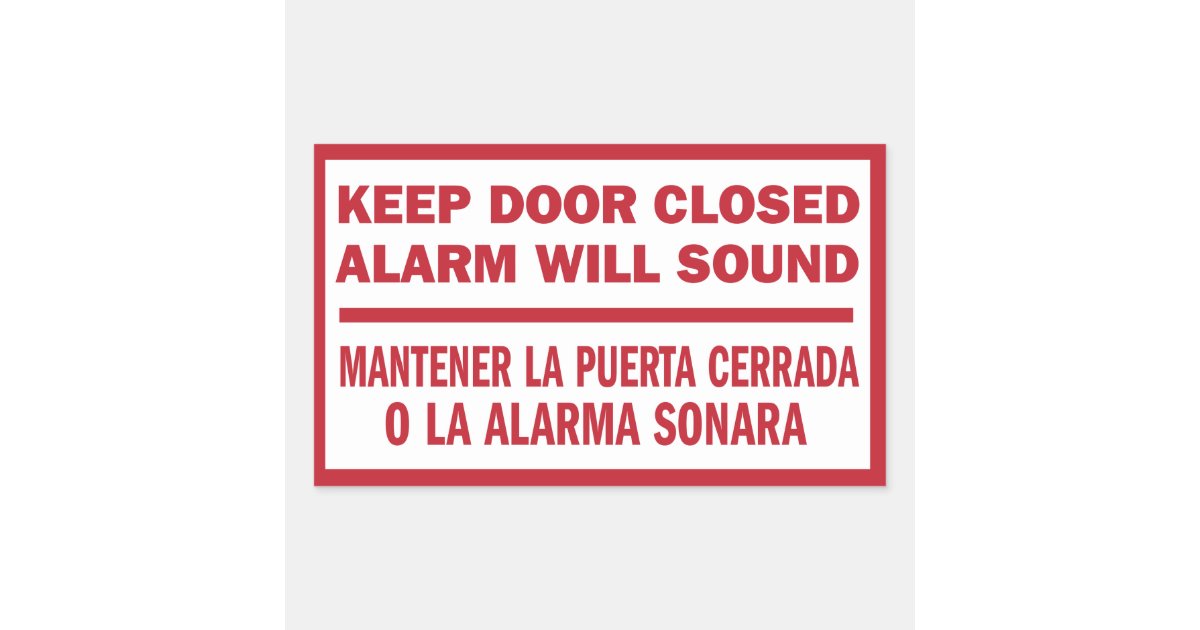
Okay, so picture this: me, standing in front of a slightly bewildered-looking electrician. I'd just spent five minutes gesturing wildly, trying to explain (in my best, somewhat butchered Spanish) that the power was already off. He kept nodding, looking increasingly confused, and then finally, finally, I managed to stammer out something that resembled, "Ya... cerramos... la puerta."
Yeah, you guessed it. I didn’t turn off the power, I apparently closed the door. He probably thought I was trying to usher him out! Facepalm. Ah, the joys of language learning!
That little debacle got me thinking about how we express the concept of "we already closed the door" – or, more accurately, "we already did something" – in Spanish. It’s actually a surprisingly useful phrase, and mastering it unlocks a whole new level of expressing completed actions. And trust me, you don’t want to accidentally tell someone you closed the door when you meant to say you turned off the breaker!
Must Read
The Wonderful World of the Preterite Perfect (or "Pretérito Perfecto Compuesto")
The key here is the Pretérito Perfecto Compuesto. Sounds scary, right? Don't let the name intimidate you. It's actually quite straightforward. Think of it as the Spanish equivalent of "we have done" or "we already did." It's used to describe actions that were completed in the recent past and still have relevance to the present. For example:
- Hemos comido. (We have eaten/We already ate.) – Implies we’re not hungry right now.
- Hemos visitado Madrid. (We have visited Madrid/We already visited Madrid.) – Implies we might have some knowledge about the city.
See? Not so bad! Now, let's get to closing that pesky door (correctly this time!).

So, How DO You Say "We Already Closed the Door?"
Here's the breakdown:
The correct way to say "We already closed the door" is: Ya hemos cerrado la puerta.

Let’s break it down piece by piece:
- Ya: Already. (This little word is your best friend here!)
- Hemos: We have (This is the auxiliary verb "haber" conjugated in the first-person plural).
- Cerrado: Closed (This is the past participle of the verb "cerrar" - to close).
- La puerta: The door.
Basically, you’re saying "Already, we have closed the door." The "ya" isn’t strictly necessary, but it emphasizes the fact that the action is already completed. Like, "Duh! We already did it!" You know, for those moments when you really need to drive the point home.

Quick Tip: The word order is pretty fixed here. You generally can't shuffle things around too much without sounding awkward. Stick with Ya hemos + past participle for best results.
More Examples to Get You Going
Let’s try a few more examples so you can become a "Pretérito Perfecto Compuesto" pro:
- We already cleaned the house: Ya hemos limpiado la casa.
- We already bought the tickets: Ya hemos comprado los boletos/las entradas.
- We already seen the movie: Ya hemos visto la película.
See how "hemos" stays the same, and all you need to change is the past participle of the verb? It's like building blocks for your Spanish sentences! So easy!
Beyond "Ya": Other Time Markers
While "ya" is a common way to express "already," you can also use other time markers to add nuance. For example:
- Hoy hemos ido al cine. (Today we have gone to the cinema/Today, we went to the cinema.) – Emphasizes the action happened today.
- Esta semana hemos estudiado mucho. (This week we have studied a lot/This week, we studied a lot.) – Emphasizes the action happened this week.
The "Pretérito Perfecto Compuesto" is your ticket to expressing recent accomplishments and experiences in Spanish. Practice using it, and soon you'll be able to tell everyone about all the amazing things you've already done! And hopefully, avoid any door-closing/power-turning-off misunderstandings along the way.