
Wave Energy How Does It Work
Ever stood by the ocean, feeling that incredible force of the waves crashing onto the shore? It's majestic, powerful, and utterly relentless. What if we told you that same mesmerizing energy could actually power our homes, charge our phones, and light up our cities? Welcome to the world of wave energy – one of the coolest, most fascinating frontiers in renewable power.
Forget what you thought about electricity; this isn't about burning fossil fuels or even relying on fickle sunshine. This is about harnessing the ocean's natural rhythm, turning that beautiful, consistent ebb and flow into clean, usable electricity. Think of it as the ultimate ocean-lover's dream: preserving the planet while enjoying its vast beauty.
The Ocean's Secret Power Play
So, how does this watery wizardry actually work? At its core, wave energy is about converting the kinetic energy (the energy of motion) of ocean waves into electrical energy. Unlike solar, which needs daylight, or wind, which needs a breeze, waves are almost always moving, day and night, rain or shine. That's a pretty sweet deal for a power source!
Must Read
There are several clever gadgets, often called Wave Energy Converters (WECs), designed to capture this motion. Let's dive into a few of the coolest concepts:
1. The "Breathing" Ocean Chamber: Oscillating Water Columns (OWCs)
Imagine a giant, partially submerged chamber open to the sea below. As a wave rolls in, it pushes the water level up inside the chamber, compressing the air trapped above it. When the wave recedes, the water level drops, and air is sucked back in. This back-and-forth movement of air is then directed through a turbine, spinning it to generate electricity. It's like the ocean is breathing, and we're capturing its breath!

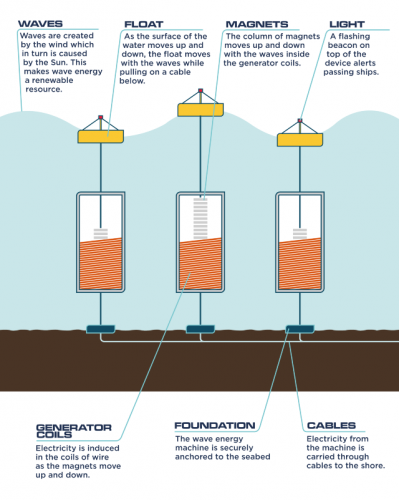
2. The Bobbing Buoy Brigade: Point Absorbers
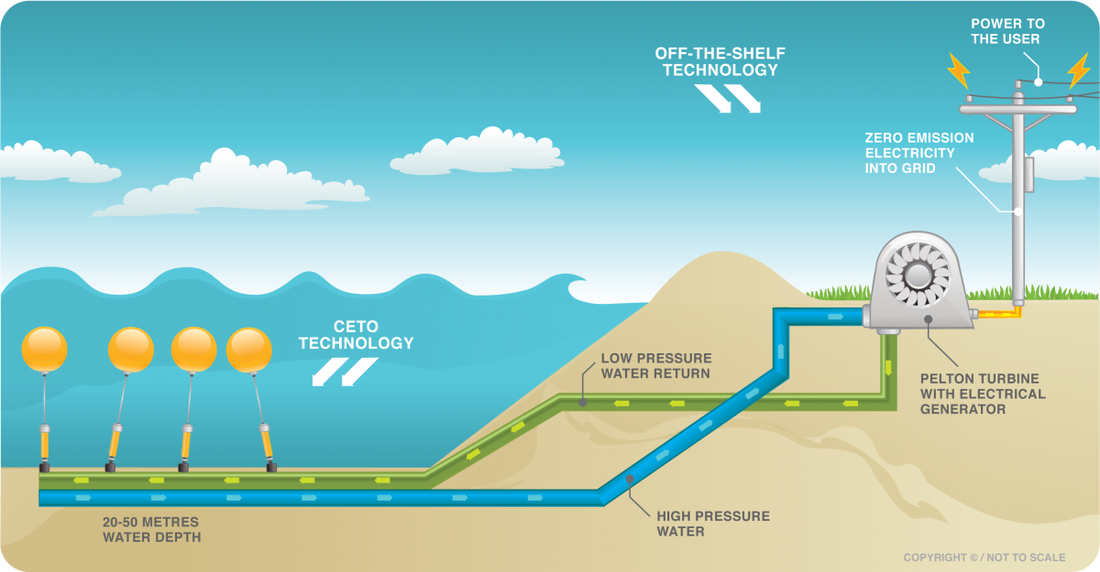
Picture a brightly colored buoy, gently bobbing up and down on the ocean's surface. Now imagine that buoy is connected to a mechanical system below, perhaps a piston or a hydraulic pump. As the buoy bobs with the waves, it moves this system, which in turn drives a generator. These devices are often moored to the seabed and can look quite sculptural, turning the rhythmic rise and fall of the waves into a steady stream of power. Think of it as a stylish, eco-friendly fishing bobber on steroids!
3. The Overtopping Ocean Ramp: Attenuators & Terminators
Some WECs are designed to be more like ramps or "snakes" on the water. Attenuators are long, snake-like structures that float parallel to the waves, flexing at their joints as waves pass along them. This flexing motion drives hydraulic pumps and generators.
Then there are Terminators (not the cyborg kind, thankfully!), which face the waves head-on, effectively "terminating" them. A common type of terminator is an "overtopping" device, where waves literally spill over into a reservoir located above sea level. The water in this reservoir is then released back to the sea through turbines, just like a mini hydroelectric dam, but powered by the waves themselves!
Why We're Riding This Wave
Wave energy is incredibly appealing for several reasons. Firstly, waves are dense with energy; the power in a single wave can be astonishing. Secondly, as mentioned, it’s a remarkably consistent source. The ocean rarely goes completely still. Thirdly, it's clean and renewable, producing zero greenhouse gas emissions during operation.
Imagine a future where coastal communities are powered by the very ocean they cherish, reducing their carbon footprint and fostering a deeper connection to nature. This isn't just about electricity; it's about a lifestyle powered by the planet's most magnificent forces.

Fun Facts & Future Vibes
- Did you know that the total energy in waves off the U.S. coast alone could potentially supply up to a third of the nation's electricity demand? That's a lot of juice!
- "Wave farms" are a thing! These are arrays of multiple WECs working together, much like wind farms, but on (or under) the water.
- Many of the early pioneers in wave energy were from countries with extensive coastlines, like Scotland, Portugal, and Australia, highlighting a deep cultural connection to the sea.
Catching the Wave in Your Daily Life
While you might not have a mini wave energy converter in your backyard just yet (unless you live on the ocean!), understanding this technology helps us appreciate the broader movement towards sustainability.
Practical Tip: The next time you're at the beach, take a moment to truly feel the power of the waves. Instead of just admiring their beauty, ponder the incredible energy they hold. Consider supporting companies or policies that invest in renewable energy solutions, including wave power. Little actions, like reducing your own energy consumption or opting for green energy suppliers if available, collectively make a huge splash.
Wave energy reminds us that the solutions to our biggest challenges often lie right before our eyes, or in this case, crashing rhythmically on our shores. It’s a powerful testament to human ingenuity and the boundless generosity of our planet. Let's ride this wave towards a cleaner, brighter, and more ocean-powered future.
