
Water Heater Is Making A Knocking Noise
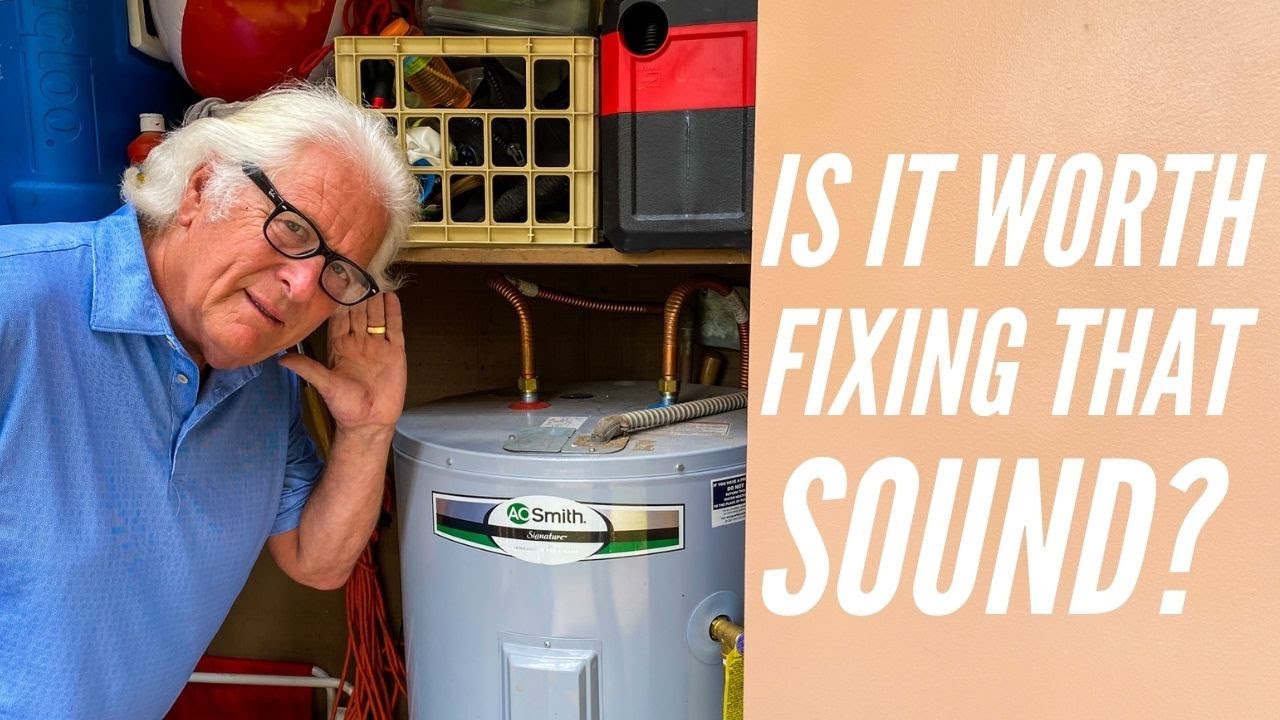
Okay, let's talk about something we all secretly fear: that weird noise coming from the basement. More specifically, that unsettling knocking resonating from your water heater. It's not a poltergeist (probably), but it is a sign that something's amiss. And like that persistent notification you keep swiping away, it's best to deal with it sooner rather than later.
Think of your water heater as the unsung hero of your home. It diligently provides the warm showers that kickstart your day, the hot water for perfectly clean dishes after a delicious meal, and, well, you get the idea. But just like any hardworking appliance, it needs a little TLC. That knocking sound? It's its cry for help.
Decoding the Knock: What's Your Water Heater Saying?
The most common culprit behind the knocking is sediment buildup. Imagine all the minerals in your water – calcium, magnesium, even tiny bits of rust. Over time, these accumulate at the bottom of the tank, forming a hard, crusty layer. This isn't unlike that forgotten teacup in your cupboard that's now lined with hard water stains. When the water heats, these deposits get agitated, causing them to bubble and "knock" against the tank walls. Think of it as a tiny, underwater mosh pit.
Must Read
Fun Fact: Did you know that hard water affects approximately 85% of U.S. homes? That's a lot of potential sediment buildup!
But sediment isn’t the only possibility. Sometimes, the knocking can be caused by water pressure fluctuations within your plumbing system. This is especially true if you hear the knocking after using multiple water-based appliances simultaneously. It could also be loose pipes rattling against each other. Either way, it’s important to figure out the root cause of the sound.
DIY Detective Work: Troubleshooting the Knock
Before you call in a professional (which is always a good option, by the way), here are a few things you can investigate yourself:
- Listen carefully: Try to pinpoint where the knocking is coming from. Is it definitely the water heater tank, or could it be a nearby pipe?
- Check the water pressure: A simple water pressure gauge (available at most hardware stores) can tell you if your water pressure is too high.
- Inspect visible pipes: Look for any pipes that might be loose or rattling against walls or other structures.
The Solution: Flushing is Key
If sediment buildup is indeed the problem (and it often is), the solution is relatively simple: flush your water heater. This involves draining the tank to remove the accumulated sediment. Think of it as giving your water heater a much-needed spa day.
Here’s a simplified flushing process:
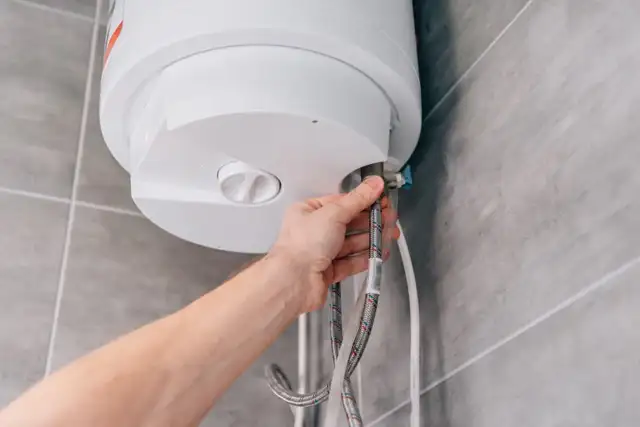
- Turn off the power or gas supply to your water heater. Safety first!
- Turn off the cold-water supply to the tank.
- Attach a garden hose to the drain valve located near the bottom of the tank.
- Run the hose to a safe drainage point (like a floor drain or outside).
- Open the drain valve and let the water drain completely.
- Periodically open and close the cold-water supply valve to agitate the sediment.
- Once the water runs clear, close the drain valve, detach the hose, and refill the tank.
- Turn the power or gas back on.
Pro Tip: Consult your water heater's manual for specific instructions and safety precautions. If you're not comfortable performing this task yourself, don't hesitate to call a qualified plumber. It’s always better to be safe than sorry!
Prevention is Better Than Cure: A Little Regular Maintenance
The best way to avoid the dreaded water heater knock is to prevent sediment buildup in the first place. Consider flushing your water heater annually. Also, investing in a water softener can significantly reduce the amount of mineral content in your water, prolonging the life of your water heater and keeping those pesky knocks at bay.
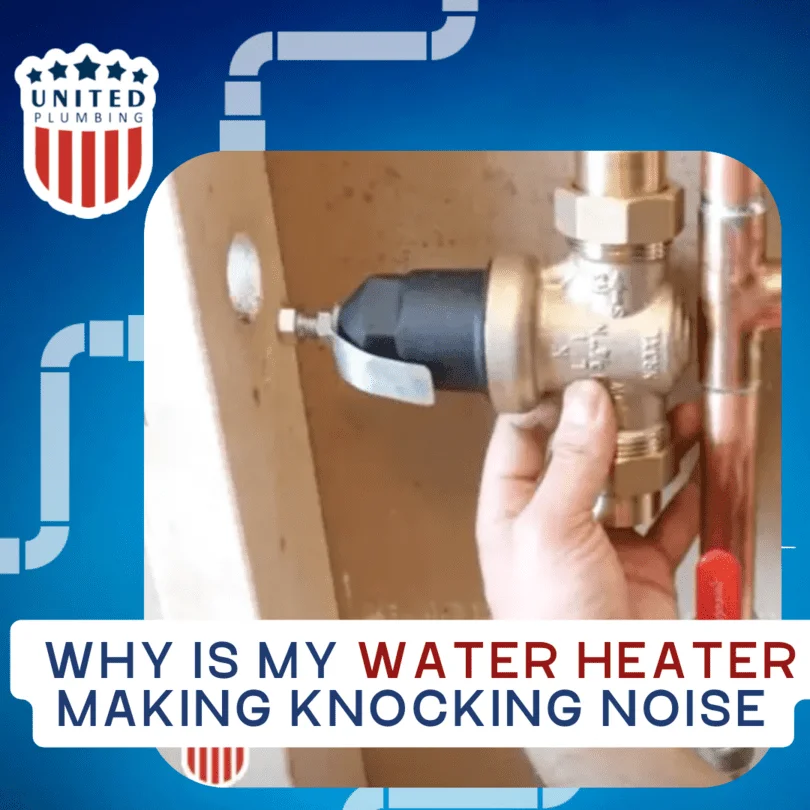
Did you know? Regular water heater maintenance can extend its lifespan by several years, saving you money in the long run.
Think of it like this: a well-maintained water heater is like a smoothly running record player, spinning your favorite tunes (hot water) without skipping a beat (or making a knocking sound!).
The Sound of Silence (and Hot Water)
Addressing that knocking sound is more than just about silencing an irritating noise; it's about ensuring the longevity and efficiency of a vital appliance in your home. It's a reminder that even the most mundane aspects of our lives require a little attention and care. By proactively addressing the issue, you're not just fixing a problem; you're investing in the comfort and well-being of your household. Now, go forth and conquer that knock! Your showers will thank you for it.
