
Urinary Tract Infection Statistics Worldwide 2023
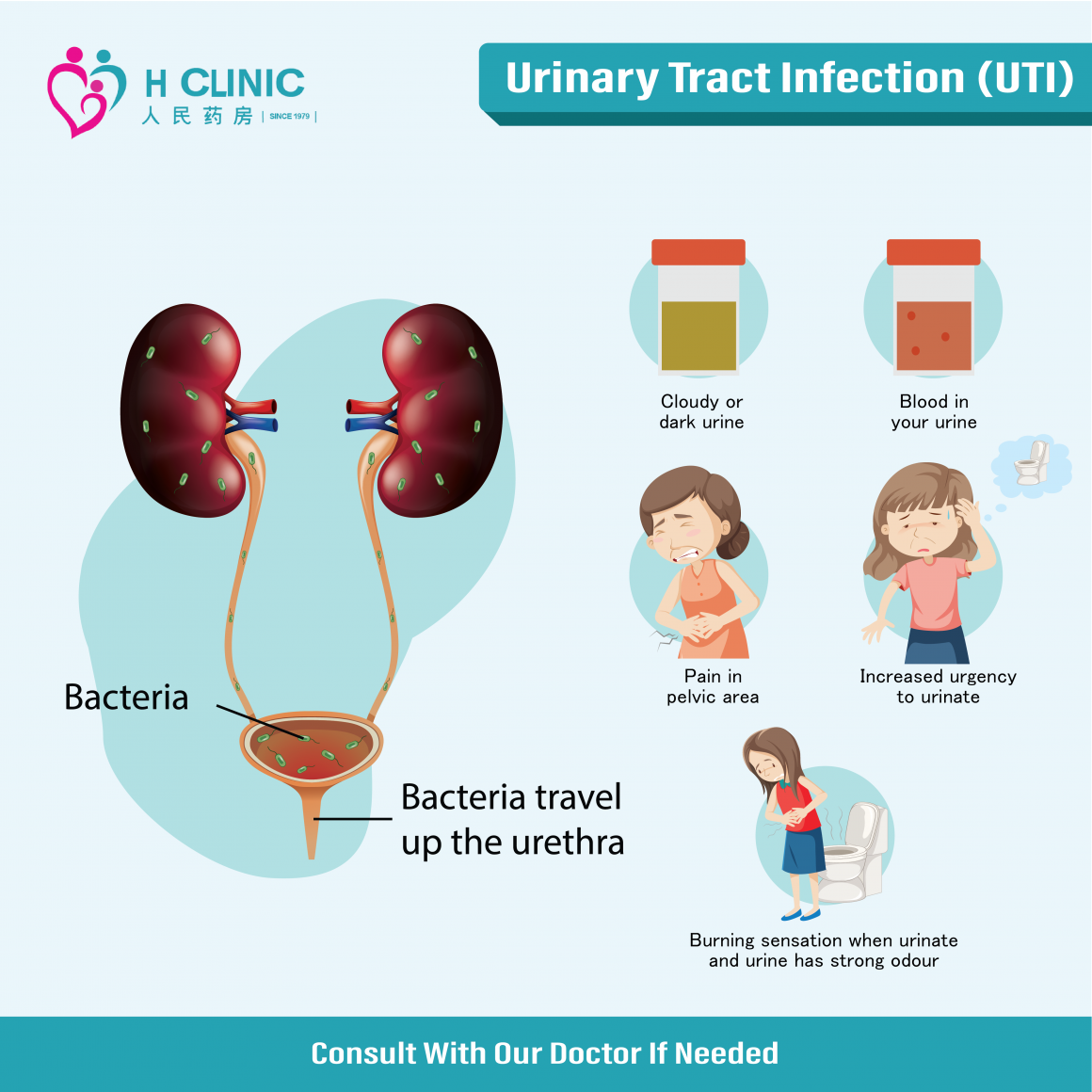
Hey there, friend! Ready for some surprisingly fascinating chat? We're diving deep (but not too deep!) into the world of UTIs. Yeah, you heard right. Urinary Tract Infections. Don't click away just yet!
I know, I know. It doesn't exactly scream "party," but trust me, the statistics surrounding these little buggers are kinda wild. We're talking worldwide numbers for 2023. Buckle up!
UTIs: A Global Phenomenon
UTIs aren’t just a “you” or “me” thing. They are a global thing! Think of them as unwanted tourists visiting bladders worldwide. Pretty picture, right?
Must Read
Globally, UTIs are a super common infection. Like, seriously common. We're talking hundreds of millions of cases each year. That's a whole lot of discomfort.
Want some hard numbers? While the exact global figures are always in flux (those little bacteria are sneaky!), estimates suggest hundreds of millions of UTI cases occur annually. That's more than the population of some continents! Boom! Mind blown?
But here's a quirky fact: Women are way more likely to get UTIs than men. Like, a lot more. We're talking multiple times the risk. It’s all thanks to anatomy. (Sorry, guys. We still love you!). Something about shorter urethras... you get the idea.

Who's Getting Them?
UTIs don't discriminate based on age. Babies can get them. Grandmas can get them. Everyone is potentially in the UTI club, wanted or not. Although, some age groups are more prone than others.
Older adults, particularly those in care facilities, face a higher risk. This is often linked to factors like weakened immune systems and catheter use. Remember to visit your grandparents! Bring flowers and antibacterial wipes! (Okay, maybe skip the wipes... but you get the idea!).
Pregnant women are also more susceptible. Blame the hormones! They mess with everything, including bladder function. Growing a tiny human is hard work, and sometimes, you get a UTI as a "bonus." How thoughtful!
Another group that faces significant risk is sexually active people. It is not an STD, but, well, you know... it increases the odds. Hence, “honeymoon cystitis” is a thing. Just something to consider next time you hear wedding bells!

Where Are UTIs Most Common?
UTI prevalence varies across the globe. Developed countries with better sanitation may have lower rates, but even these locations are not immune. Get it? Immune?! I crack myself up.
Factors like access to clean water, healthcare infrastructure, and hygiene practices significantly impact UTI rates. Places with limited resources can see higher numbers.
Interestingly, some studies have looked at how climate affects UTI incidence. Some suggest warmer climates might lead to increased dehydration, which, in turn, can raise the risk. Who knew the weather could play a role in bladder health?

Why Should We Care?
Okay, so why are we even talking about this? Because UTIs, while often treatable, can be a real pain (literally!). Untreated UTIs can lead to more serious kidney infections. Nobody wants that.
Plus, think about the economic impact. All those doctor's visits, medications, and lost workdays add up. That's a lot of money and productivity down the drain... pun intended.
Antimicrobial resistance is also a growing concern. Overuse of antibiotics to treat UTIs contributes to bacteria becoming resistant to these drugs. This makes infections harder to treat in the future. It's like the bacteria are evolving! Super bacteria! (But not in a good way).
Fun (and slightly terrifying) Facts
- Did you know that cranberries might not be as effective as we once thought at preventing UTIs? The jury is still out!
- Some people are prone to recurrent UTIs. It’s like their bladder has a revolving door for bacteria.
- There’s even research into using probiotics to prevent UTIs. Good bacteria fighting the bad!
What Can We Do About It?
Hydration is key! Drink plenty of water to flush out those pesky bacteria. Think of it as giving your bladder a spa day. Just keep the spa music down to avoid stressing out your bladder.

Good hygiene practices are also essential. Wipe front to back! Empty your bladder after sex! These are not just old wives' tales. They actually work! Seriously.
If you suspect you have a UTI, see a doctor. Don't try to self-diagnose or self-treat. A doctor can prescribe the right antibiotics and rule out other potential problems.
So there you have it! A whirlwind tour of UTI statistics for 2023. Who knew a conversation about urinary infections could be so… engaging? Now go forth and spread the (slightly weird) knowledge! And drink some water!
Disclaimer: This article is for informational purposes only and does not constitute medical advice. Consult a healthcare professional for any health concerns.