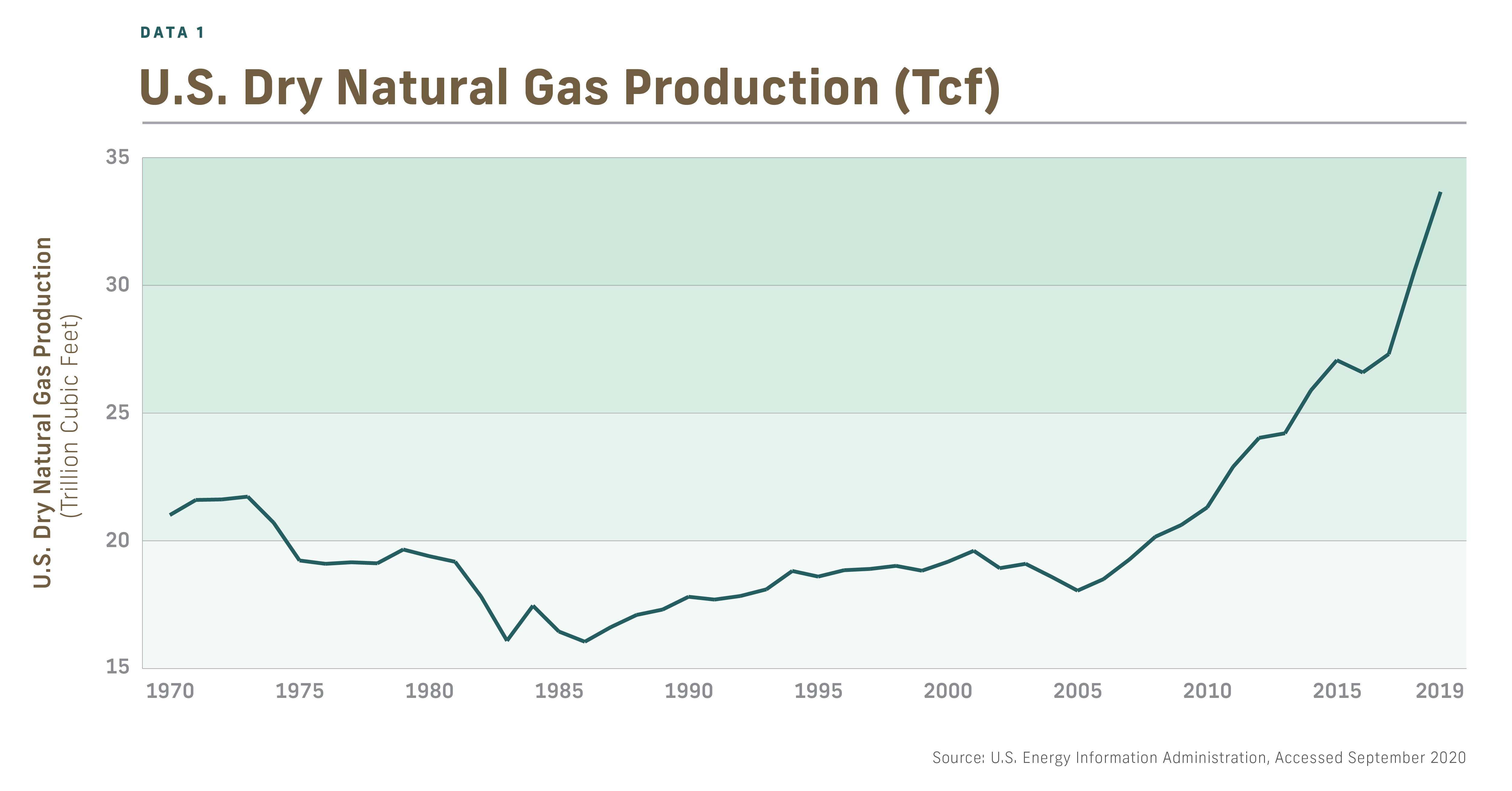
United States Natural Gas Production By Year

Ever woken up to a chilly morning and just loved the feeling of your house warming up, or maybe you've whipped up a quick dinner on a gas stove? Perhaps you just enjoyed a long, hot shower after a tough day. Most of us probably don't give a second thought to where that comfort comes from. But tucked away behind all these lovely daily moments is a fascinating story about something called natural gas, and specifically, how much of it the United States has been producing over the years. Trust me, it's a journey more exciting than you might think!
The Quiet Beginnings: A Slow Burn
For a long, long time, natural gas was like that quiet kid in class who had tons of potential but just hadn't found their voice yet. While it's always been bubbling away beneath our feet, getting it out of the ground was a bit of a tricky business. Imagine trying to get jam out of a jar with a spoon that's just a little too wide for the opening – you get some, but it's a messy, slow process. For decades, US natural gas production chugged along, mostly supplying specific regions and often playing second fiddle to oil or coal. It was useful, sure, but not the national powerhouse it is today.
Think of it this way: back in the day, if you wanted a bonfire for s'mores, you'd gather twigs and logs. Natural gas was like having a giant, perfectly aged log buried deep, but you only had a tiny hand shovel. You knew it was there, but getting enough to make a real difference was a different story.
Must Read
The "Shale Revolution": Suddenly, We're Popular!
Then, around the early 2000s, something really exciting started to happen. It was like someone handed us a super-powered excavator for that buried log. Thanks to some incredible innovation in drilling technology – techniques like horizontal drilling and hydraulic fracturing (often called "fracking" for short) – we suddenly figured out how to tap into vast reserves of natural gas trapped in shale rock formations. Imagine your drinking straw can now bend and snake its way through an entire milkshake, not just go straight down! This was a game-changer.
From roughly 2005 onwards, US natural gas production didn't just grow; it soared. It was like we went from carefully rationing the last chocolate chip cookie to suddenly having an entire bakery at our disposal. This period is often called the Shale Revolution, and it fundamentally transformed the energy landscape of the country. We went from being a nation that was increasingly worried about where our energy would come from to one with a newfound abundance.

Why Should You Even Care? (Beyond the Hot Shower!)
Okay, so we're making more gas. Big deal, right? Well, it actually is a big deal, and here's why you, a regular person enjoying your daily life, should absolutely care:
1. Energy Independence: No More Fingers Crossed!
Remember that feeling when you're reliant on someone else for something crucial? Like waiting for your friend to pick you up because your car broke down? For a long time, the US was quite reliant on other countries for a significant portion of its energy needs. But with this boom in domestic natural gas production, we've become much more energy independent. This means we're less vulnerable to global price swings or political instability elsewhere. It's like building your own sturdy car instead of always borrowing one – a pretty good feeling!
2. Economic Muscle: Jobs, Jobs, Jobs!
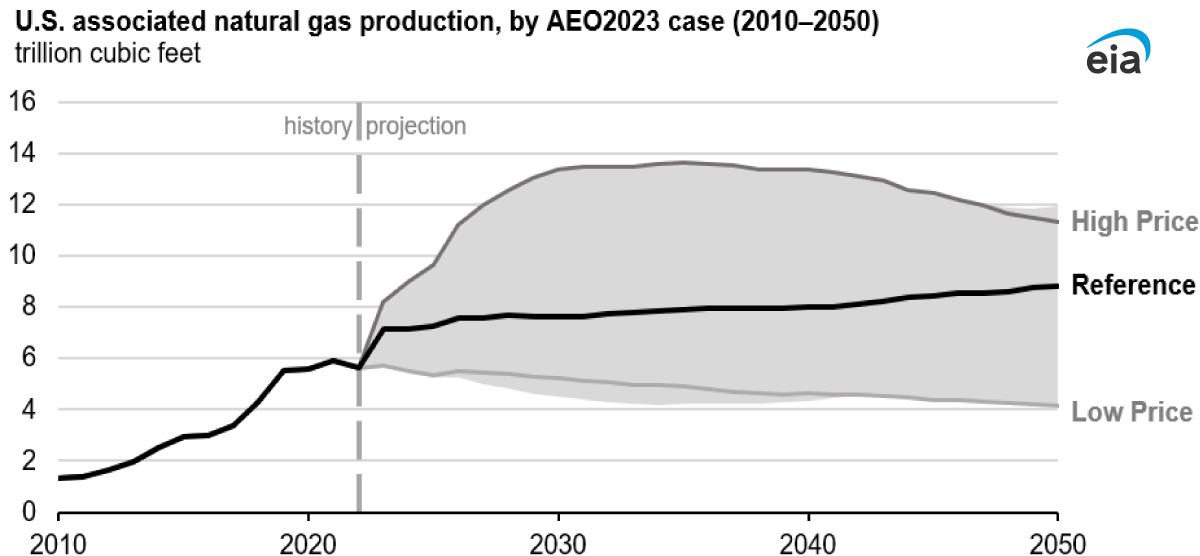
All that drilling, processing, and transporting of natural gas creates millions of jobs across the country – from engineers to truck drivers, welders to environmental specialists. It's a huge economic engine, injecting money into local communities and powering innovation. Think of it like a giant, nationwide board game, and suddenly we have a lot more "resource" cards to play, boosting our economy and creating opportunities for countless families.
3. Cleaner Air: A Step in the Right Direction
While no energy source is perfect and discussions about environmental impact are ongoing, natural gas burns much cleaner than coal. What does that mean for you? When natural gas replaces coal for electricity generation, it leads to significant reductions in air pollutants like sulfur dioxide, nitrogen oxides, and mercury. It's like choosing a fuel-efficient car over an older, smokier model – a step towards fresher air for everyone to breathe, which is definitely something to smile about.

4. More Predictable Prices: Keeping Your Wallet Happier
When there's a reliable, abundant supply of something, the price often gets a little friendlier and more stable. The surge in US natural gas production has contributed to more stable and often lower energy prices for homes and businesses. This can translate to smaller utility bills for you and me, leaving a little extra in your pocket for that extra coffee or a treat for the kids. Who doesn't love saving a bit of cash?
The Story Continues: What's Next?
Today, the United States is one of the world's leading producers of natural gas. It's not a static picture, but a constantly evolving story of innovation, environmental considerations, and market dynamics. The journey of US natural gas production by year is a remarkable tale of ingenuity and impact, quietly shaping our daily comforts and powering our economy.
So, the next time you crank up the heat, cook a meal, or step into a perfectly hot shower, take a tiny moment to appreciate that invisible, odorless gas. It's not just energy; it's a testament to human innovation, a driver of our economy, and a surprisingly crucial part of the comfortable, modern lives we often take for granted. Pretty cool, huh?