Types Of Cinder Blocks In 1930s

Imagine you're zipping around in a flivver (that's an old-timey car for those of you who don’t speak 1930s!) and you start noticing something new popping up all over town: buildings made of these funny, grey, rectangular bricks. They weren't quite like the classic red bricks everyone was used to. These were cinder blocks! And just like the latest dance craze, they were catching on like wildfire. But hold your horses, not all cinder blocks were created equal back in the day. Let’s take a peek at the surprisingly diverse world of 1930s cinder blocks.
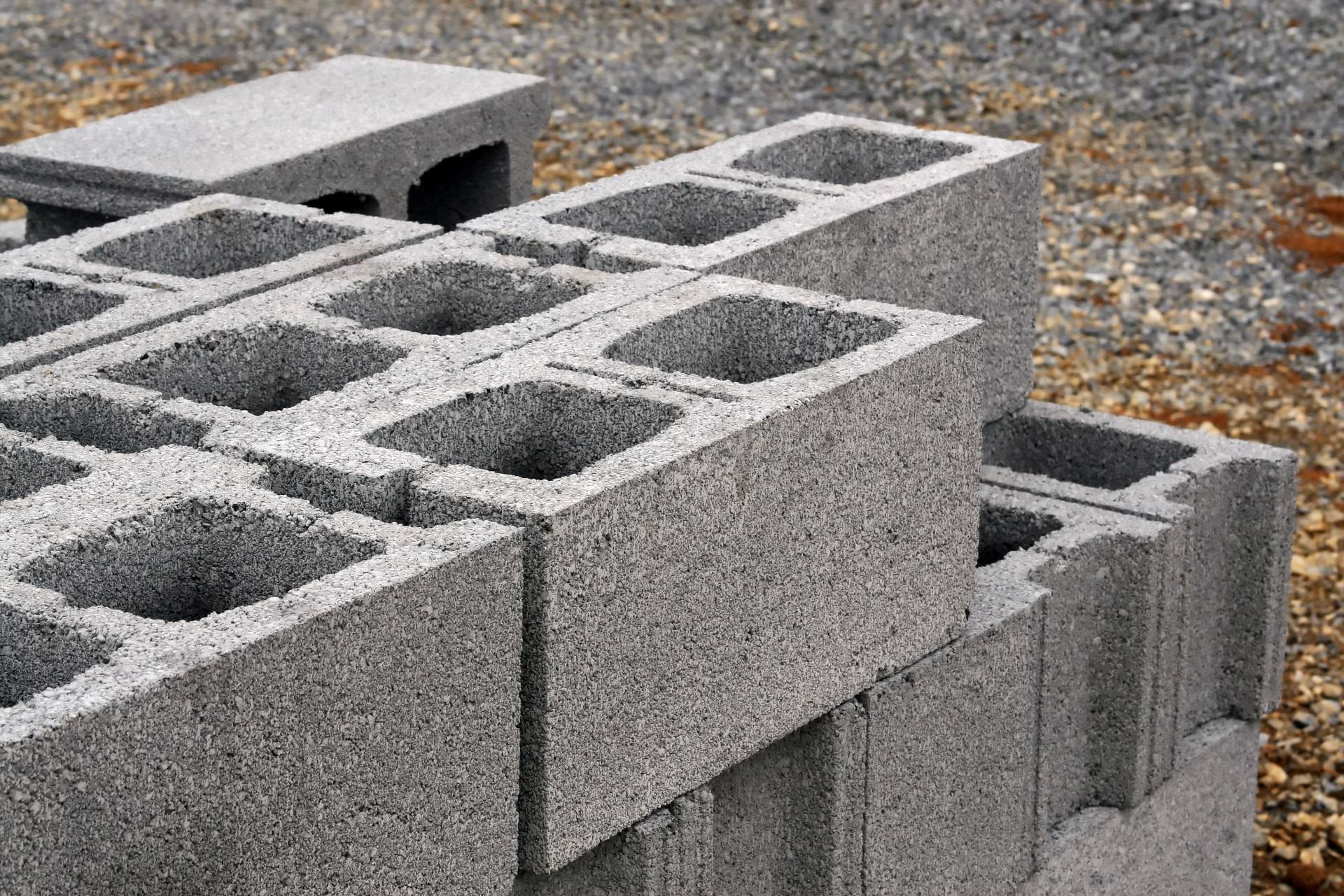
First off, you had your standard, run-of-the-mill cinder block. Think of it as the Ford Model T of the cinder block world: reliable, affordable, and practically everywhere. These blocks were primarily made from cinders – the leftover ash from burning coal. Talk about recycling before recycling was cool! They were sturdy enough for basic construction, perfect for building garages, sheds, and even the foundations of some smaller homes. These blocks were the workhorses of the era, silent partners in the building boom.
But then came the fancier varieties. Imagine a mason trying to convince a client that cinder blocks could actually be… stylish! Enter the textured cinder block. Someone, somewhere, decided that smooth grey was just too boring. So, they started experimenting with different molds, creating blocks with raised patterns, faux stone finishes, and even geometric designs. These were the "jazz age" of cinder blocks, adding a little pizzazz to otherwise utilitarian structures. Think art deco garages – the bee's knees!
Must Read
You also had your lightweight champions. Now, cinders themselves could be a bit heavy, especially when you were hauling them around all day. So, some clever folks started experimenting with adding other materials to the mix, like pumice or even sawdust! This made the blocks lighter and easier to handle, a real blessing for construction workers who probably didn't have the luxury of fancy power tools. Lighter blocks meant faster construction, and in the 1930s, time was money!
The "Specialty" Blocks
Beyond the basic types, there were also specialty cinder blocks designed for specific purposes. Things like corner blocks, which had a finished edge for creating neat corners, and lintel blocks, which were used to support openings for doors and windows. These weren't your everyday blocks; they were the specialists, the ones you called in when you needed a little extra something. Think of them as the skilled tradesmen of the construction site.

And let’s not forget the impact of the Great Depression. While it brought hardship, it also fostered innovation. Cinder blocks, being relatively inexpensive to produce, became a popular building material during this time. They allowed people to build homes and businesses even on a tight budget. In a way, these humble blocks represented resilience and resourcefulness, a testament to the spirit of the era.
But the real charm of these 1930s cinder blocks lies in their imperfections. Because they were often made by hand (or with very simple machines), no two blocks were exactly alike. They might have slight variations in color, texture, or size. These imperfections tell a story, a story of the people who made them, the buildings they helped create, and the era in which they were born. Finding a perfectly imperfect cinder block from this era is like finding a little piece of history, a tangible link to the past.

It's easy to overlook something as seemingly mundane as a cinder block. But take a closer look at those old buildings, those garages, those foundations. Those cinder blocks, even the plainest ones, have stories to tell. They whisper tales of innovation, resilience, and a bygone era when even the most humble building material could have its own unique charm. So, next time you see a vintage cinder block structure, take a moment to appreciate the ingenuity and resourcefulness that went into its creation. Who knew cinder blocks could be so fascinating?
Perhaps someone should start a cinder block appreciation society! After all, these weren't just building materials; they were silent witnesses to a pivotal period in American history. And that, my friends, is something to celebrate.