Type Of Gas For Mig Welding
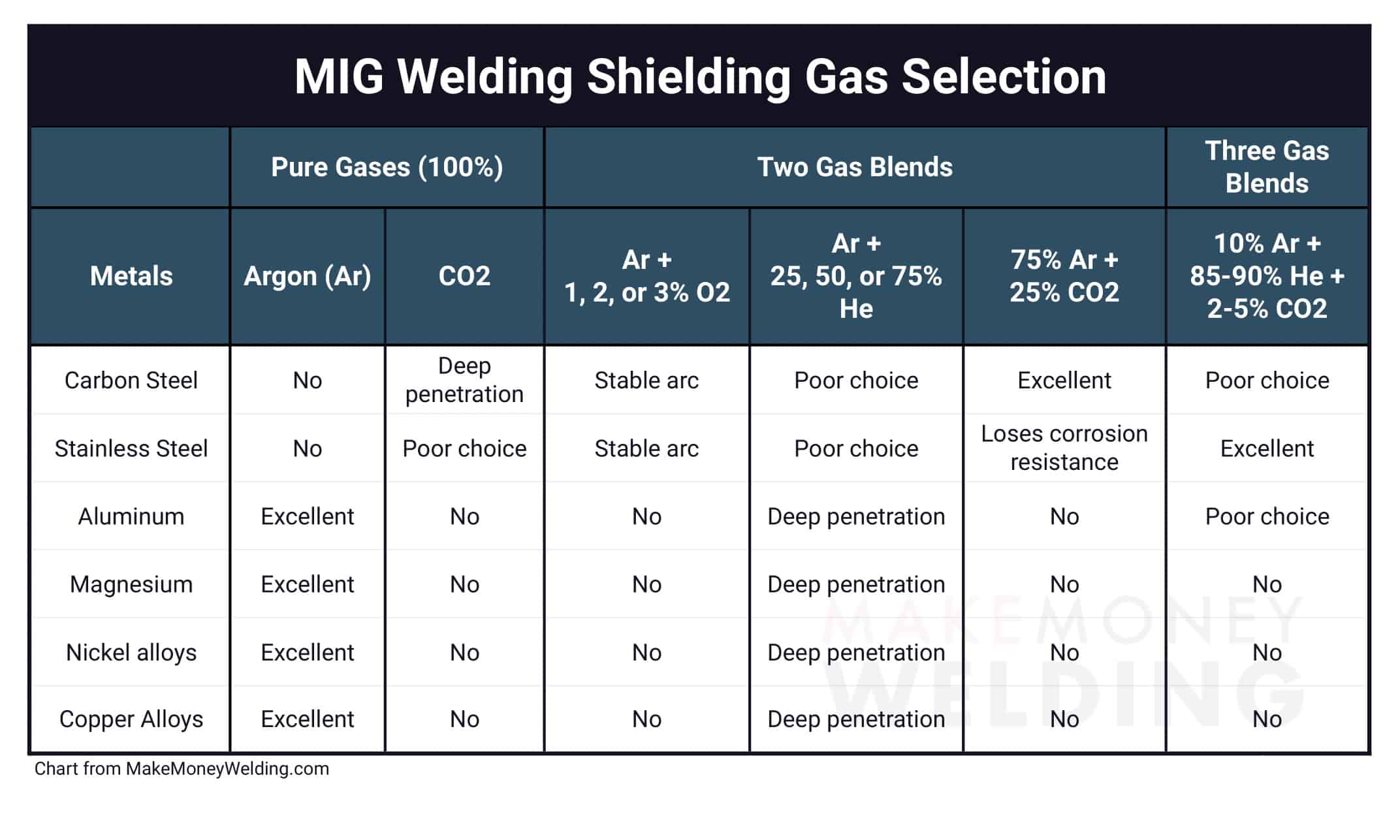
Hey there, fellow sparkslinger! Ever wondered what kind of gas your MIG welder sips on? It’s not just for show, I promise. Picking the right shielding gas is like choosing the perfect condiment for your favorite meal – it can make all the difference between a "meh" weld and a "wowza!" masterpiece. Let’s dive into the bubbly world of MIG gases without making it feel like a chemistry lecture, shall we?
First off, why do we even need gas? Well, when you’re MIG welding, you’re essentially creating a super-hot, molten pool of metal. This molten metal is incredibly vulnerable to the big bad guys in the air: oxygen and nitrogen. If these atmospheric villains get into your weld, they cause all sorts of problems like porosity (tiny holes, ugh!), brittleness, and a general lack of strength. The shielding gas acts like a tiny, invisible bodyguard, pushing the bad air away and letting your weld cool down in peace. Pretty neat, right?
The Main Players: Your Gas Gents
There are a few stars in the shielding gas show, each with their own personality and best uses. Let’s meet them!
Must Read
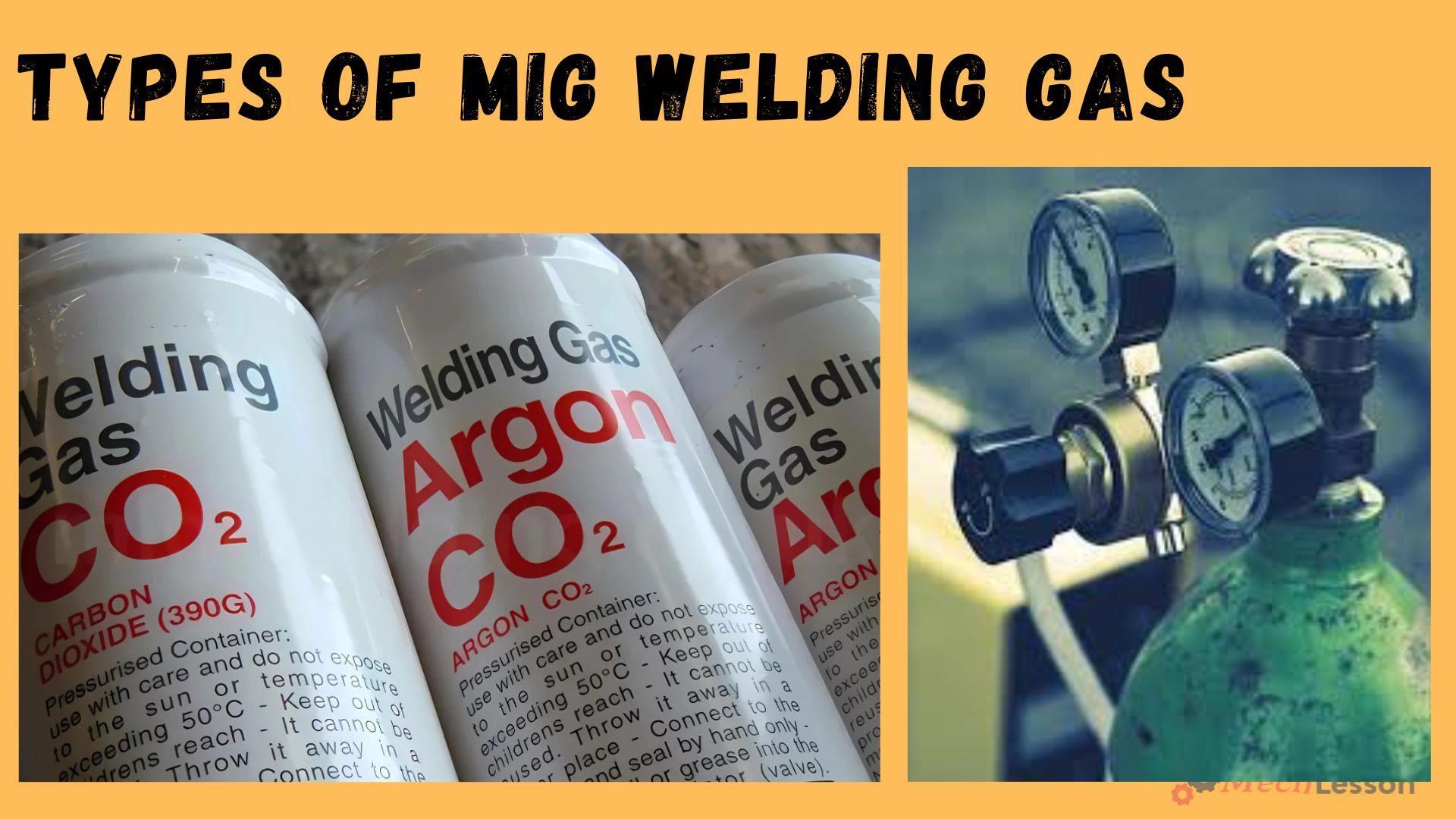
1. 100% CO2 (Carbon Dioxide) – The Budget Brawler
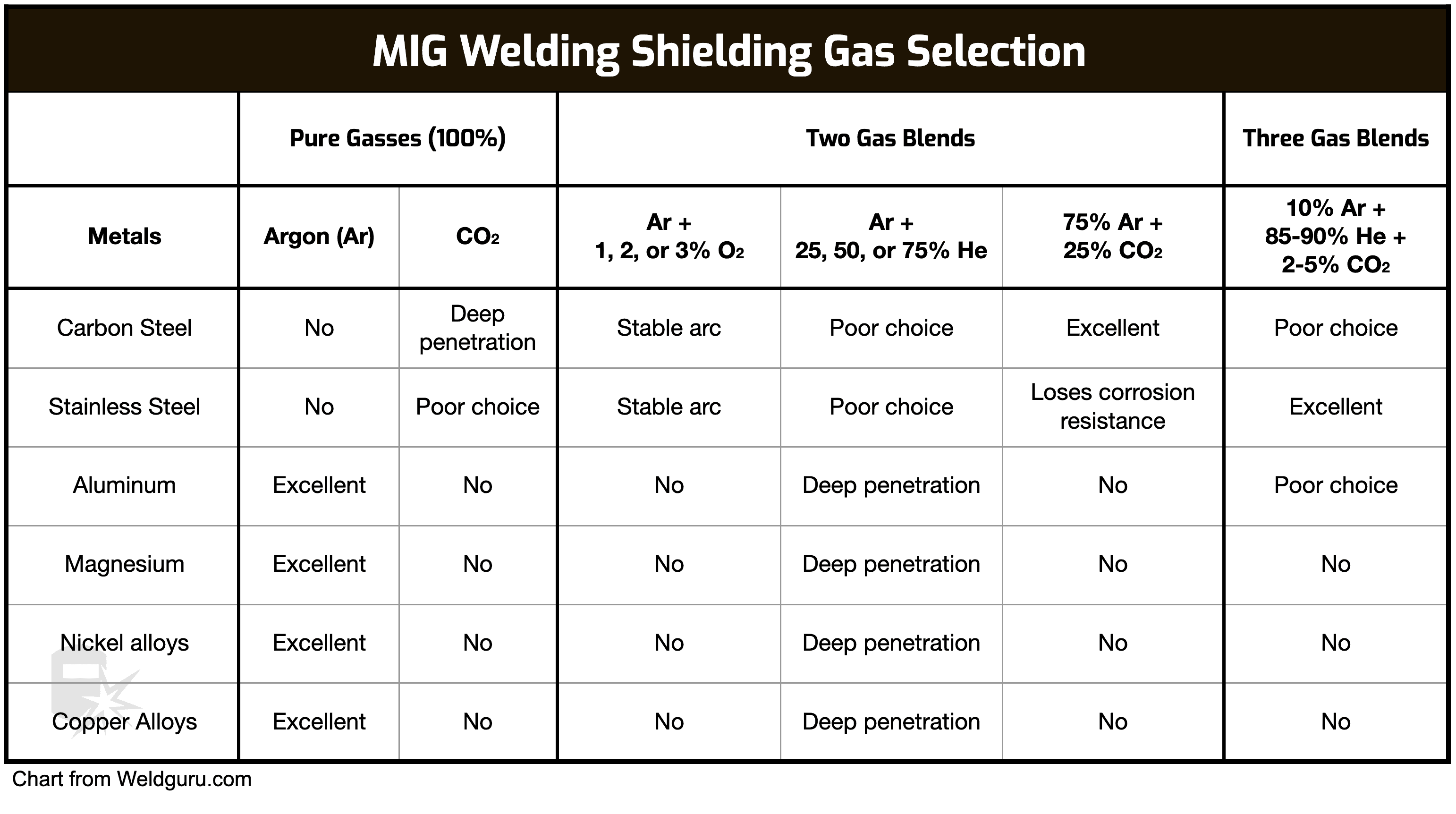
Ah, 100% CO2. This is often the gas that comes to mind for beginners because it’s generally the cheapest option out there. Think of it as the workhorse of the gas world – it gets the job done, especially for thicker steel and dirty material. It gives you good penetration, meaning your weld goes nice and deep into the base metal, which is great for structural stuff or auto body work.
The catch? It can be a bit... aggressive. You’ll often experience more spatter (those little BBs of molten metal flying everywhere) and a slightly harsher arc compared to other gases. It’s like that one friend who’s super reliable but maybe a little rough around the edges. Not ideal for super thin stuff, as it might just blow right through it!
2. 100% Argon – The Smooth Operator
Now, let’s talk about 100% Argon. This gas is the sophisticated cousin in the family. It produces a very smooth, stable arc with minimal spatter. It’s also the go-to choice for welding non-ferrous metals like aluminum or magnesium. If you’re trying to weld aluminum with CO2, well, let’s just say it won’t be a pretty picture. Argon is essential here!
The downside? It’s generally more expensive than CO2. And while it's fantastic for aluminum, 100% argon on its own isn't usually recommended for welding steel, as it can give a narrow, "ropy" bead with poor penetration. So, it's not a universal superstar, but it shines bright for its specific niche.
3. Argon-CO2 Mixes – The "Just Right" Crew (The Goldilocks Zone!)
This is where things get really interesting, and frankly, where most of us live in the MIG welding world. Blending argon and CO2 gives you the best of both worlds – kind of like a perfect cocktail! You get the stability and reduced spatter from argon, combined with the penetration and arc heat from CO2.
75% Argon / 25% CO2 (or 80/20) – The Undisputed Champion
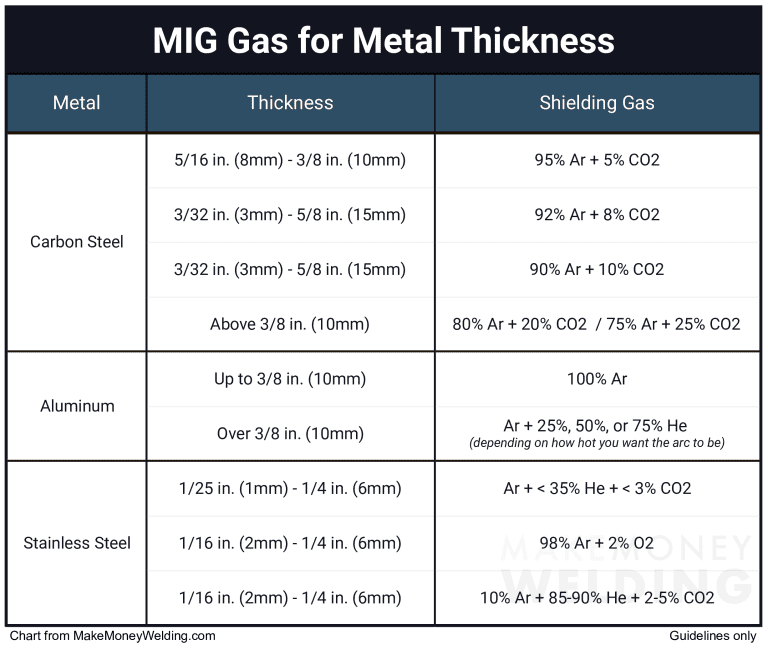
If you're welding mild steel, and you just want one gas that does pretty much everything well, this is your huckleberry! A mix of 75% Argon and 25% CO2 (or sometimes 80% Argon, 20% CO2) is the most common and versatile choice for hobbyists and professionals alike. It provides a great balance of arc stability, good penetration, minimal spatter, and a nice-looking weld bead.
It’s fantastic for general fabrication, repair work, and pretty much anything involving mild steel. You’ll see this mix referred to as "C25" (for 25% CO2) or "Argon-C02." It's like finding that perfect pair of jeans – comfortable, reliable, and looks good in almost any situation. If you’re only going to buy one bottle of gas for steel, make it this one!
Other Mixes (Briefly!)
There are other mixes out there, like 90% Argon / 10% CO2, often used for spray transfer welding or specific stainless steel applications. You might also hear about Argon-Oxygen mixes for stainless. But for the vast majority of hobby welding on mild steel, the 75/25 blend is your sweet spot.
The Takeaway? Don't Get Gassy, Get Smart!
Choosing the right gas isn't about being fancy; it's about getting the best results for your project. Think about what you're welding – material type and thickness – and that will guide your choice. For aluminum, it's argon. For thick, dirty steel on a budget, it's CO2. But for the everyday magic of welding mild steel, that 75% Argon / 25% CO2 mix is your best friend.
So next time you fire up your MIG welder, give a little nod to that trusty gas bottle working behind the scenes. It's the unsung hero that keeps your welds strong and beautiful, letting you focus on the sparks and the satisfaction of creating something awesome. Happy welding, my friend, and may your beads always be clean and spatter-free!