
Two Water Heaters In Series Or Parallel

Ever dreamt of a never-ending hot shower? You know, the kind that stretches into a mini spa day, where you emerge feeling like a revitalized Greek god or goddess? Or maybe you're just tired of the morning cold-water shock when someone else finishes their shower first. Either way, the idea of having more hot water is definitely appealing. Enter the world of dual water heater setups! But the question is: should you go for the sequential power of series or the collaborative warmth of parallel?
Series: The Tag Team Approach
Think of it like this: series is like a relay race. The first water heater does the initial heavy lifting, warming the cold water to a certain temperature. Then, it hands off the baton (the water!) to the second water heater, which boosts the temperature even further. It's all about maximizing the heat.
Ideal for: Homes with notoriously cold incoming water temperatures. Imagine living in a place where the water feels like it's been chilling with penguins! This setup can significantly improve the water temperature delivered to your faucets. Also, if you're after the hottest possible water for specific needs (industrial applications, extra-sanitizing dishwashing, or brewing the perfect cup of, shall we say, robust coffee?), series might be your champion.
Must Read
Think: That fancy Italian espresso machine that heats the water just so perfectly for that crema-rich shot. Series is all about that precision temperature boost.
Downsides? If one heater fails, you're essentially left with pre-heated water, which isn't ideal. Also, plumbing can be a tad more complex, potentially requiring a pro.
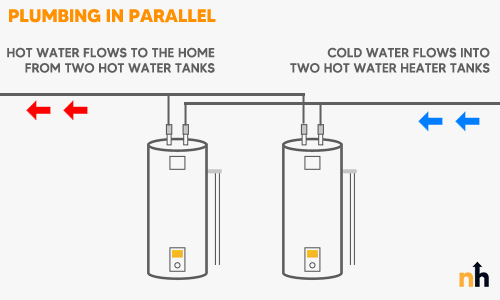
Parallel: The Strength in Numbers Strategy
Parallel is all about volume. Instead of one heater feeding into the other, both heaters work independently, simultaneously heating water and feeding it into the same supply line. Think of it as two Olympic swimmers racing side-by-side, contributing equally to the pool of hot water.
Ideal for: Larger households with high hot water demands, especially during peak hours. Picture a family of six all trying to shower before school and work. Parallel setup helps avoid the dreaded "hot water ran out!" scenario. It's about consistent supply.
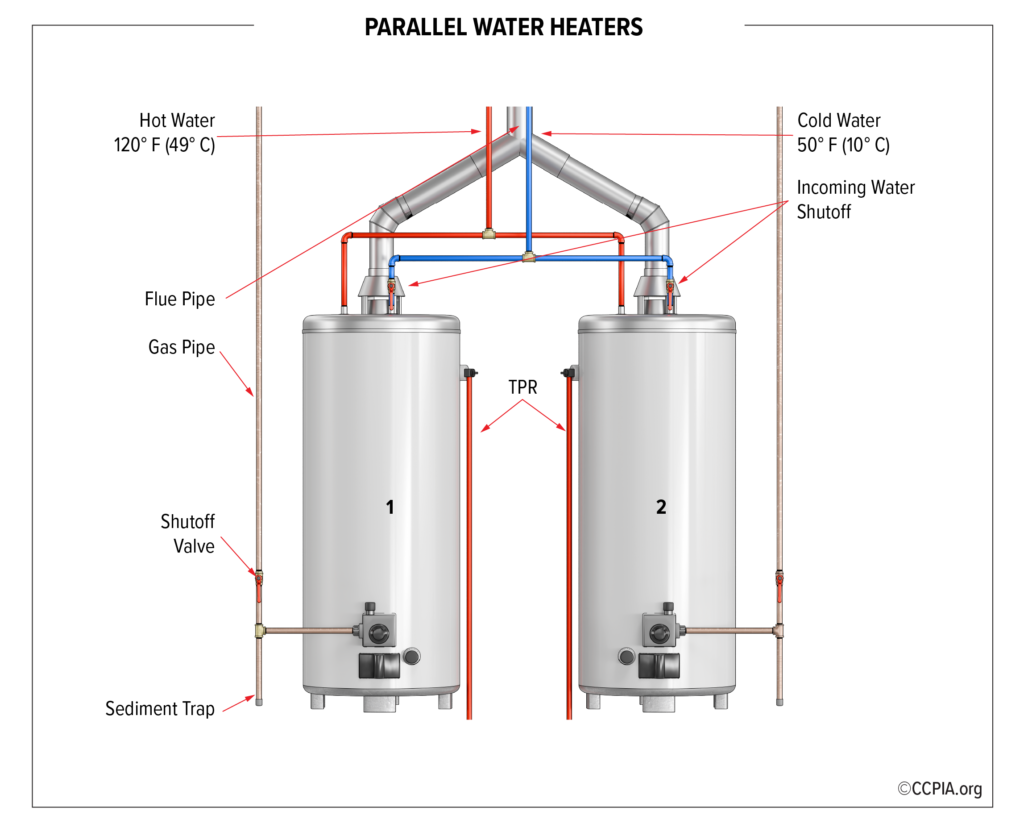
Think: A well-coordinated restaurant kitchen during a busy dinner rush. Everyone's working together to keep the plates coming out hot and fast. Parallel is your culinary hot water hero!
Benefits: If one heater goes down, you still have hot water, albeit reduced capacity. This is a huge advantage. The plumbing is generally simpler than series too.

Drawbacks? May not significantly increase the temperature of your water compared to a single, adequately sized heater. Also, you're potentially doubling your standby heat loss, which could impact your energy bill. Energy efficiency is key! Consider tankless heaters for a parallel setup to mitigate this.
Making the Call: Which Setup is Right for You?
Here's a quick checklist:
![[DIAGRAM] Piping Diagram For Two Water Heaters - MYDIAGRAM.ONLINE](http://waterheatertimer.org/images/WH-wiring-thermostat-2-WH-600.jpg)
- Household Size: Large = Parallel, Small to Medium = Consider Series
- Incoming Water Temperature: Very Cold = Series, Mild = Parallel
- Peak Hour Demand: High = Parallel, Moderate = Series
- Redundancy: Important = Parallel, Less Crucial = Series
- Budget: Simpler plumbing = Parallel (usually)
Pro Tip: Always consult a qualified plumber to assess your specific needs and ensure proper installation, regardless of which setup you choose. Safety first!
Fun Fact: Did you know the first electric water heater was invented in 1889 by Edwin Ruud? Talk about a hot invention!
The Bigger Picture
Beyond the technicalities, choosing between series and parallel water heaters really boils down to anticipating your needs and prioritizing what's important to you: maximum temperature, consistent volume, or the peace of mind that comes with built-in redundancy. It's a microcosm of life, really: do you prefer the concentrated power of a specialized approach or the collaborative strength of a team effort? Ultimately, the best choice is the one that brings warmth and comfort to your daily routine, one hot shower at a time.