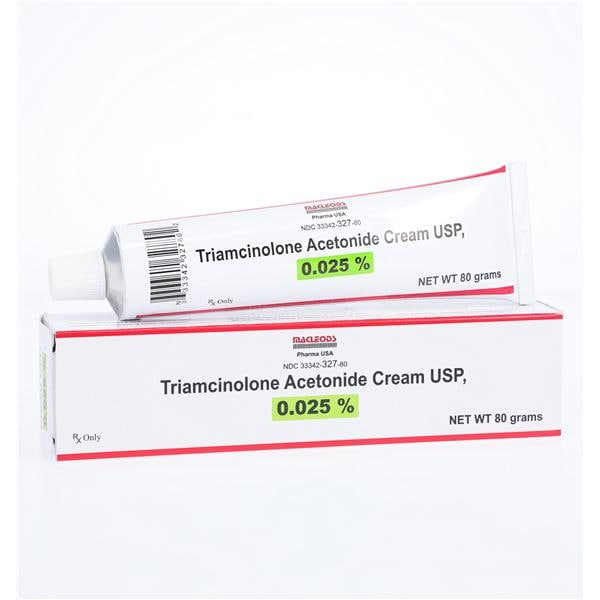
Triamcinolone Acetonide Cream Usp 0.025 Used For

Okay, so you've got some Triamcinolone Acetonide Cream USP 0.025% sitting in your medicine cabinet. (Or maybe you're thinking about getting some? No judgment here!) You're probably wondering, "What exactly is this stuff for?" Well, grab a comfy chair, because we're about to dive in.
Basically, this cream is a corticosteroid. Sounds fancy, right? It’s a mild one, thankfully! Think of it as a superhero for your skin, but instead of fighting crime, it’s battling inflammation. It's like a tiny, topical peacekeeper for irritated skin. Pretty neat, huh?
So, what kind of irritation are we talking about?
Must Read
Common Uses: Your Skin's SOS Signals
Let's break it down. Think of Triamcinolone Acetonide Cream as your go-to for those icky, itchy, or inflamed skin conditions. We're talking about things like:
- Eczema (Atopic Dermatitis): That super annoying, often chronic, dry, itchy skin? Yeah, this cream can help chill it out. It won't cure it (sadly, no miracle cream exists... yet!), but it can definitely provide some serious relief.
- Psoriasis: Those pesky, scaly patches? Triamcinolone can help calm the redness and itching associated with psoriasis. Note: This is usually for mild cases, so always check with your doctor first!
- Allergic Reactions: Got a rash after hugging a questionable plant? (We’ve all been there!) Maybe you reacted to some new laundry detergent? This cream can help soothe those allergic reactions. It's like a first-aid kit for your skin's little dramas.
- Rashes: General, non-specific rashes can also benefit. Red, bumpy, itchy... you get the picture. But seriously, if it's a weird rash, or you're not sure what it is, see a doctor. Don't self-diagnose from Dr. Google!
- Insect Bites: Mosquitoes feasting on you? This cream can help with the itch and inflammation. It's like telling those little bloodsuckers, "Not today!"
See? A pretty versatile little tube! But, like with any superhero, there are some ground rules.

Important Stuff to Keep in Mind (aka the Fine Print)
Okay, let's get a little serious for a sec (but just a little!). This cream isn't a cure-all.
- Don't use it on your face unless a doctor tells you to. The skin on your face is more sensitive, and long-term use of corticosteroids can cause thinning skin, acne, and other unwanted effects. Nobody wants that, right?
- Use it sparingly. A thin layer is all you need! Think of it like frosting a cake – you don't want to slather it on.
- Don't use it for a long time without talking to your doctor. Prolonged use can lead to side effects, and your body might even start to get used to it, making it less effective. It's like the boy who cried wolf – eventually, no one will believe him (or, in this case, no one will believe the cream!).
- Don't use it on infected skin. If your rash is oozing pus or looks infected, you need to see a doctor. This cream isn't going to help with an infection; it might even make it worse.
- Talk to your doctor if you're pregnant or breastfeeding. Just to be safe!
Got it? Good! Now, go forth and conquer those minor skin irritations! Just remember, moderation is key.
How to Apply (Because It Matters!)
Applying Triamcinolone Acetonide Cream is pretty straightforward, but here’s the quick and dirty:
- Wash your hands! Seriously, clean hands are essential. You don't want to introduce any bacteria to the affected area.
- Gently clean and dry the affected area. Pat, don’t rub!
- Apply a thin layer of the cream. Remember, less is more!
- Gently rub it in until it disappears. No need to go crazy, just make sure it’s absorbed.
- Wash your hands again! Unless you're treating your hands, of course.
And that's it! Easy peasy, right?

So, there you have it! A (hopefully) not-too-boring rundown of what Triamcinolone Acetonide Cream USP 0.025% is used for. Now you can impress your friends with your newfound knowledge of topical corticosteroids. Or, you know, just use it to soothe your itchy skin. Whatever floats your boat!
Disclaimer: I am not a doctor. This information is for general knowledge only and should not be considered medical advice. Always consult with your doctor or other qualified healthcare professional if you have any questions about a medical condition or treatment.