Transfer Switch For Generator How Does It Work

Okay, picture this: I'm making a batch of my world-famous (according to me and my mom) chocolate chip cookies. The oven's preheated, the batter's perfect, and then BAM! Power outage. The horror! My precious cookies… doomed! Luckily, my neighbor, a self-proclaimed "electrical wizard," had a generator and a fancy transfer switch. He flipped a lever, the generator kicked in, and my cookies were saved. It was like a scene from a movie, except with more flour and less dramatic music. That's when I got curious: What exactly is a transfer switch, and how does this magical device actually work?
The Lowdown on Transfer Switches
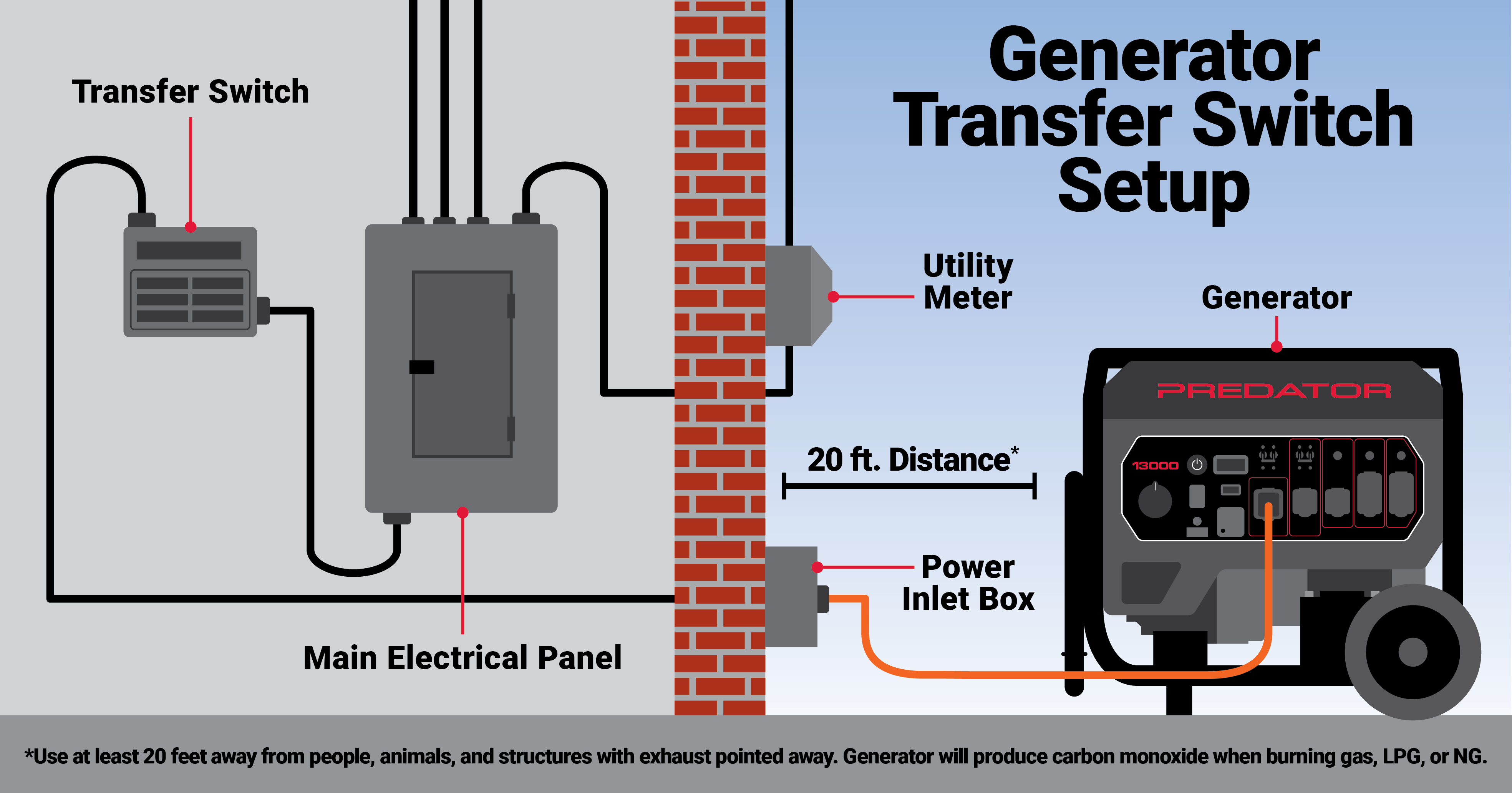
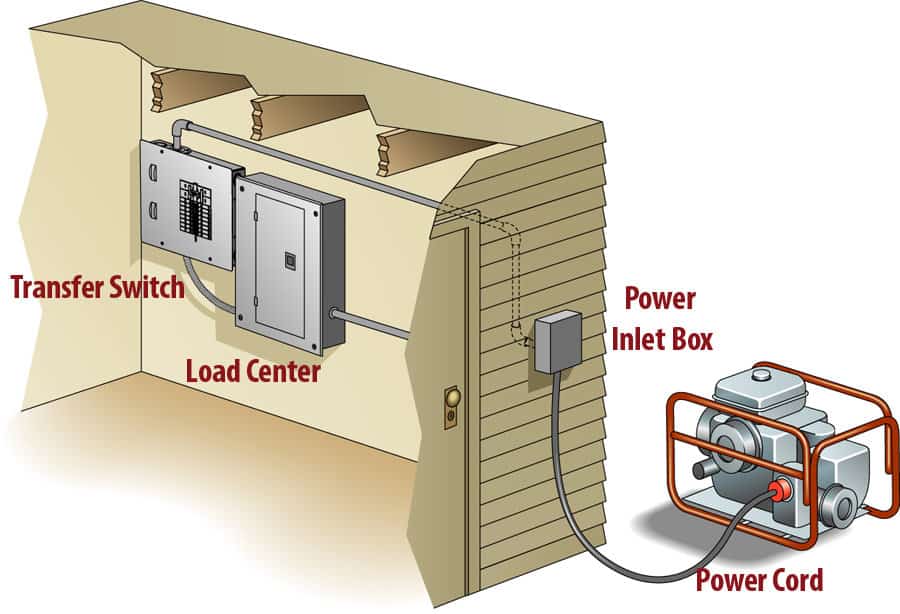
So, let's get down to brass tacks. A transfer switch, in its simplest form, is a device that safely connects your generator to your home's electrical system. Think of it as a traffic cop for electricity, directing the flow from either the utility company or your generator. Without it, you're basically playing electrical roulette, and nobody wants that (especially not your appliances!).
Why is it so important? you might ask. Well, without a transfer switch, you risk backfeeding power onto the utility lines. This is a HUGE no-no. Not only is it illegal, but it can seriously injure or even kill utility workers who are trying to restore power. Plus, it can fry your generator and potentially damage your home's electrical system. So, yeah, a transfer switch isn't just a convenience; it's a safety necessity.
Must Read
Manual vs. Automatic: Choose Your Own Adventure
Now, there are two main types of transfer switches: manual and automatic. Let's break them down:
- Manual Transfer Switches: These are the more budget-friendly option. When the power goes out, you have to manually switch over to generator power. This usually involves flipping a lever or turning a dial. It's a bit more hands-on, but it gets the job done. Think of it as the electrical equivalent of driving a stick shift.
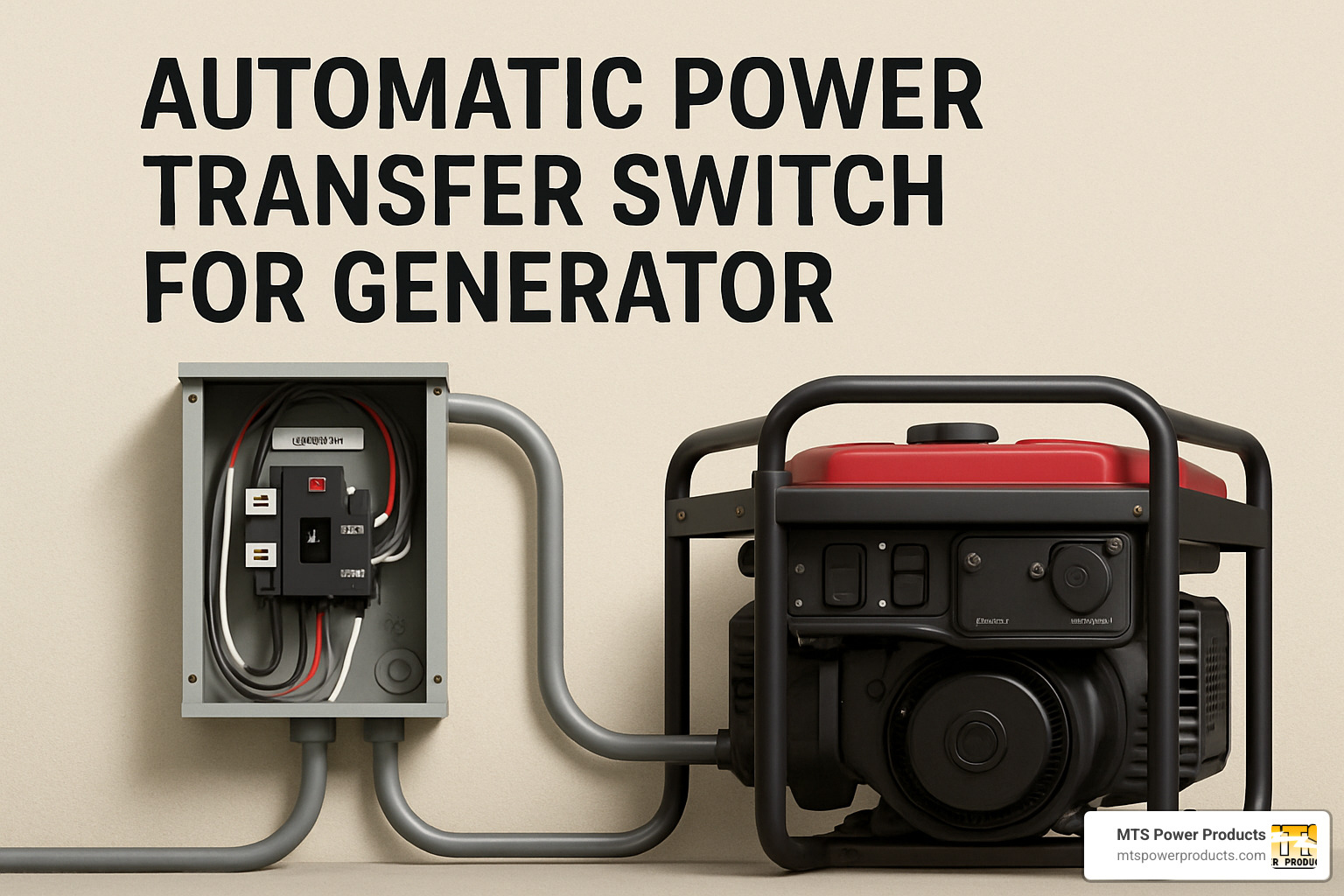
- Automatic Transfer Switches (ATS): These are the luxury SUVs of the transfer switch world. When the power goes out, the ATS automatically detects the outage, starts your generator (if it has an automatic start feature), and switches over to generator power. You don't have to lift a finger! It's pure, unadulterated electrical bliss. (Seriously, who doesn't love automation?)
Which one is right for you? Well, it depends on your budget, your level of electrical expertise, and how much you value convenience. If you're comfortable flipping a switch and saving some money, a manual transfer switch might be the way to go. If you want a seamless, hands-free experience (and have the budget for it), an ATS is the clear winner.
How the Magic Happens: The Inner Workings
So, how does a transfer switch actually work its magic? The basic principle is simple: it prevents your generator and the utility company from being connected at the same time. It's an either/or situation. The switch physically isolates one power source from the other, ensuring that there's no backfeeding or other electrical mayhem.
Think of it like this: Imagine two hoses filling a bathtub. You can only use one hose at a time, or the bathtub will overflow (and that's never a good thing). The transfer switch is like a valve that only allows water (electricity) to flow from one hose (power source) at a time.

In a manual transfer switch, you're the one operating the valve. You physically move the switch to select either the utility power or the generator power. An automatic transfer switch, on the other hand, uses sensors and relays to detect a power outage and automatically switch to the generator. It's all very technical and impressive, involving things like voltage monitoring and time delays to ensure a smooth transition.
Important Safety Note (Seriously, Don't Skip This)
Working with electricity can be dangerous. If you're not comfortable working with electrical systems, hire a qualified electrician to install your transfer switch. Seriously. It's not worth risking your life or property to save a few bucks. Electrical safety is paramount. Plus, a professional can ensure that the installation is done correctly and that your transfer switch is properly sized for your generator and your home's electrical load.
So, there you have it – a (hopefully) not-too-boring explanation of how a transfer switch works. Now you can impress your friends and neighbors with your newfound electrical knowledge! And, most importantly, you can keep the lights on (and the cookies baking) during the next power outage.