
This Call Is To Authorize The Payment
Ever had that moment? You're chilling, maybe scrolling through cat videos or attempting to conquer your laundry pile, when your phone buzzes. You pick it up, cautiously, because let's be real, unknown numbers are basically tiny, digital mystery boxes. You say "Hello?" and then, that unmistakable, slightly robotic, overly calm voice begins:
"This call is to authorize the payment..."
My stomach just did a little flip-flop thinking about it. You know the one. That particular phrase, delivered with a gravitas that suggests either the fate of the world, or at least your bank account, hangs in the balance. Immediately, your brain goes into overdrive: Payment for what? Did I forget something? Is this a scam? Is my identity currently being siphoned away by a rogue AI?
Must Read
It’s a phrase that, for many of us, elicits a mix of anxiety, confusion, and a healthy dose of suspicion. And honestly, it should. Because while sometimes, just sometimes, it might be a legitimate call, more often than not, it’s the opening line in a rather complex, sometimes predatory, dance.
The Two Faces of "Authorize The Payment"
So, what's really going on here? This seemingly innocuous sentence actually operates on two very distinct levels, and knowing the difference is, as they say, half the battle.
The Legitimate Ledger
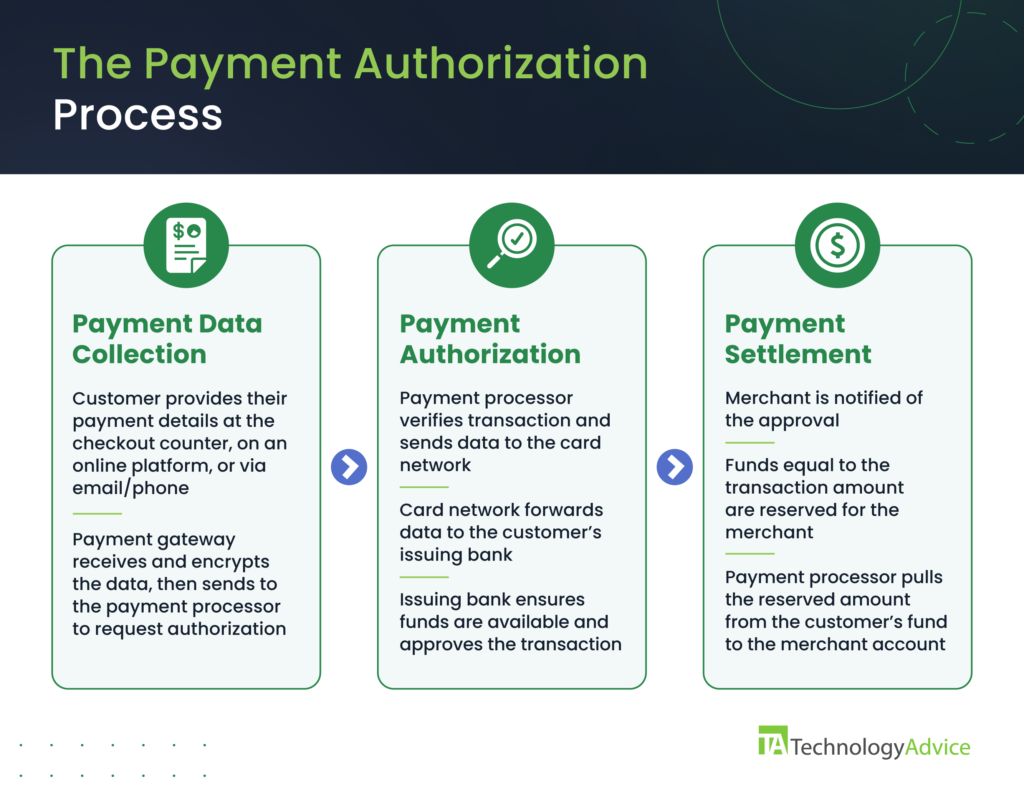
Let's start with the good guys, or at least the official channels. Sometimes, your bank or credit card company might actually call you for a payment authorization. This usually happens when they detect a transaction that's out of your usual pattern. Picture this: you live in Ohio, and suddenly there's an attempt to charge $500 for a luxury yacht in Monte Carlo. Your bank, being the diligent guardian of your finances, flags it. They'll call or text to verify if it was you. In these cases, the "This call is to authorize the payment" is a genuine fraud prevention measure.
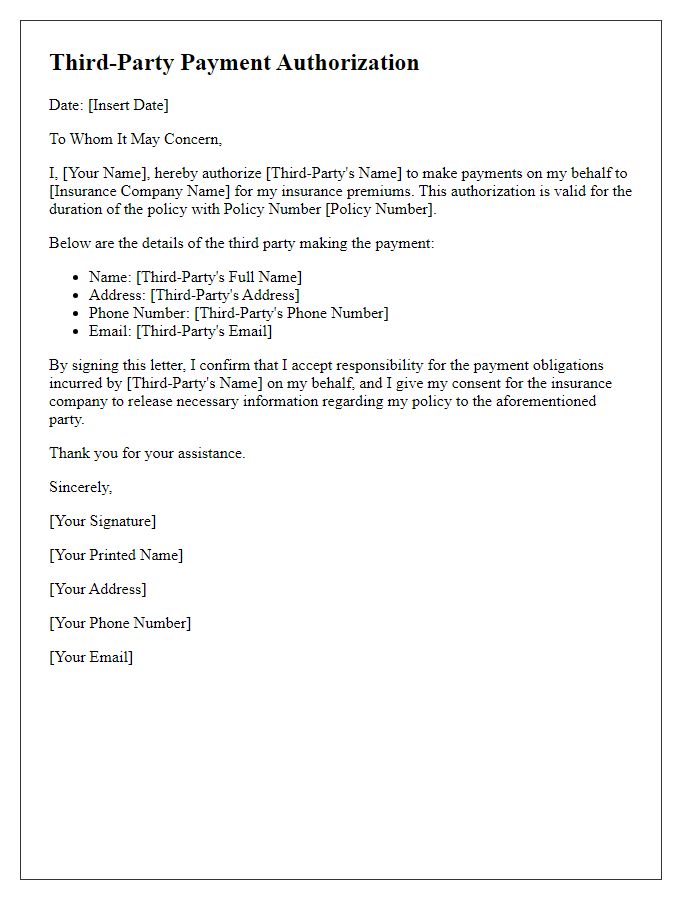
The key here is how they contact you and what they ask for. A legitimate call will usually state the specific transaction, merchant, and amount. They're trying to protect you, not trick you.
The Shady Shadows
Ah, but then there's the other side of the coin. The vast, murky world of scams. This is where "This call is to authorize the payment" truly shines as a weapon of psychological warfare. Scammers absolutely love this phrase because it hits all the right buttons:
- Urgency: It implies something important, even time-sensitive, is happening.
- Fear: It suggests a potential financial loss or a problem that needs immediate fixing.
- Vagueness: It doesn't specify what payment, allowing your mind to fill in the blanks with whatever you're most worried about.
They might pretend to be your bank, the IRS, Amazon, even your grandma's pet psychic (okay, maybe not that last one, but you get the idea). Their goal is to get you panicked enough to reveal personal information – your card number, your Social Security number, your first pet's name, or even to convince you to send them money via untraceable methods like gift cards or wire transfers. Seriously, if anyone asks you to pay with gift cards, just hang up.

Your Superpower: Suspicion and Verification
So, what do you do when that robotic voice or even a human one utters those loaded words? Here's my blog-buddy advice, straight from the heart:
1. Hang Up. Seriously, Just Do It.
Your first, best defense is to end the call. Don't feel rude. It's your phone, your time, and your money.
2. Verify, Verify, Verify.
If you're genuinely concerned there might be a legitimate issue, don't call the number that called you back. Instead, use the official number for your bank, credit card company, or the service provider in question. This number is usually on the back of your card or on their official website (make sure it's the real website, not a lookalike!).
3. Never Give Out Personal Information.
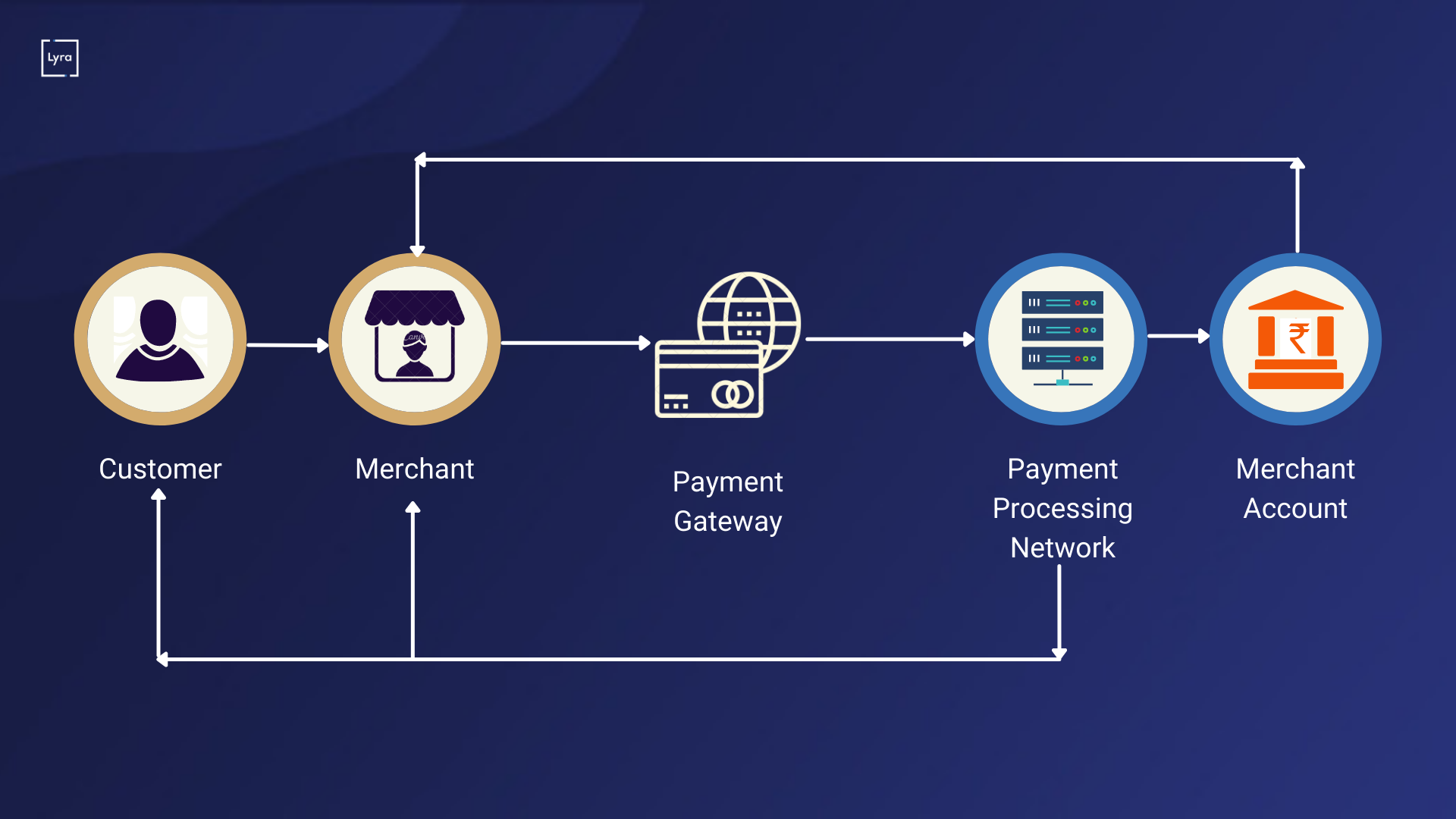
Legitimate institutions will generally not ask for your full Social Security number, PINs, or full credit card numbers over an unsolicited call. They already have most of that information. They might ask to confirm a few digits, but be wary of anything more.
4. Trust Your Gut.
If something feels off, it probably is. That little voice in your head that whispers, "This is weird," is your personal fraud detector. Listen to it!
Ultimately, "This call is to authorize the payment" is a phrase that carries a lot of weight, both good and bad. But by understanding its nuances, staying vigilant, and knowing when to hit that beautiful "end call" button, you can turn a moment of potential panic into a moment of empowerment. So go forth, my friend, and may your payment authorizations always be legitimate, and your scam calls be few and far between!