
Things Needed To Buy A House

Alright, so you're thinking about buying a house? Amazing! It's like unlocking a whole new level in the game of life, right? But before you start pinning all those gorgeous kitchen renovation ideas, let's have a little chat, just us, about what you actually need to get your hands on those keys. Because, spoiler alert, it's more than just a dream board.
Don't worry, it's not as scary as it sounds, but it definitely helps to know what you're walking into. Think of me as your friendly, slightly caffeinated guide.
The Big Bucks (Yep, Money!)
Okay, let's address the elephant in the room first: money. We all know this one, right? You'll need a good chunk of change for a few things.
Must Read
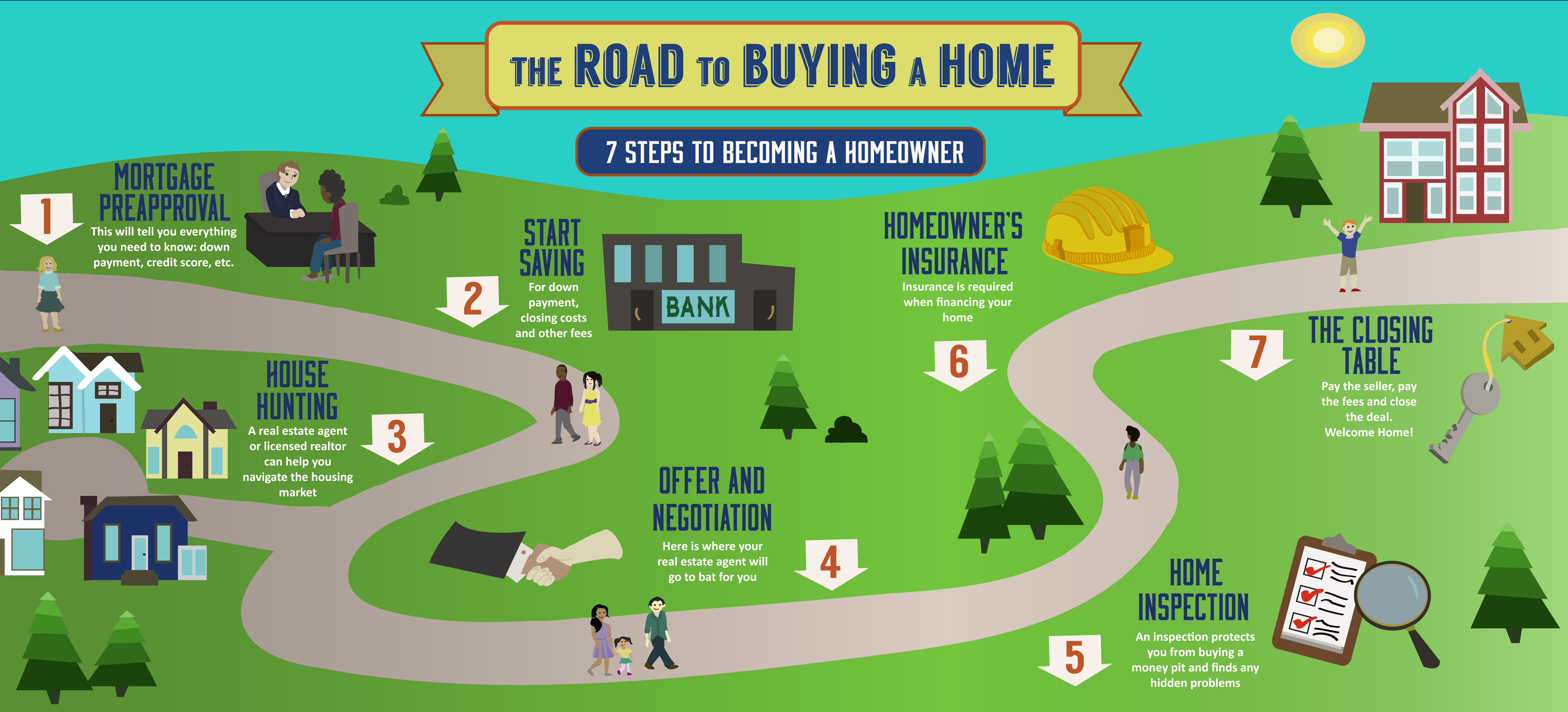
First up, the down payment. This is the initial percentage of the home's purchase price you pay upfront. It can be anywhere from 3% (hello, FHA loans!) to 20% or even more. The bigger your down payment, the less you borrow, and often, the better your interest rate. Plus, putting down 20% or more usually means you skip Private Mortgage Insurance (PMI), which is basically money you pay to protect the lender if you default. And who wants to pay extra money just because?
Then there are closing costs. Ugh, another expense! These are fees associated with finalizing your loan and transferring ownership of the house. We're talking title insurance, appraisal fees, lender fees, legal fees, recording fees... the list goes on. They can add up to 2-5% of the loan amount. So, if you're buying a $300,000 house, prepare for another $6,000-$15,000. Yikes, I know! But it's part of the deal.
Oh, and please, please don't forget an emergency fund after all this. Houses love to surprise you with leaky faucets or sudden furnace issues. You don't want to be house-poor and panicked.
Your Financial Report Card (Credit Score)
Think of your credit score as your financial GPA. Lenders look at this number to see how responsible you are with borrowed money. A higher score (generally 740+) means you're a lower risk, which translates to better interest rates for you. And trust me, even a half-point difference in interest can save you tens of thousands of dollars over the life of a loan. That's a new car, or at least a really fancy coffee machine!
So, start checking your score now. Pay bills on time, keep credit card balances low, and don't open a bunch of new credit accounts right before applying for a mortgage. Your future self will thank you.
The Golden Ticket (Pre-Approval Letter)
This isn't just a suggestion; it's a must-have. A pre-approval letter from a lender tells you (and more importantly, sellers) how much a bank is actually willing to lend you. It's based on your income, credit, and assets.

Why is this your golden ticket? Because without it, you're just window shopping. Sellers won't take your offer seriously, and honestly, you might fall in love with a house you can't afford. Save yourself the heartbreak, get pre-approved before you start house hunting. It's like knowing your budget before hitting the designer store!
Your Real Estate Sidekick (A Great Agent)
Trying to navigate the housing market alone is like trying to build IKEA furniture without the instructions. You might get there, but it'll be frustrating, and you'll probably have extra parts.
A good real estate agent is your guide, your negotiator, your therapist, and your hype person all rolled into one. They know the market, they know the neighborhoods, and they can spot potential red flags you'd never see. Plus, they handle all the tricky paperwork and negotiating, which, let's be real, is priceless. Find someone you click with, someone who truly listens to your wants and needs. It makes all the difference.

A Zen Master's Patience (and Flexibility)
Buying a house is rarely a straight line. There will be bumps. Offers will be rejected. That "perfect" house might have a scary inspection report. You'll probably feel a full spectrum of emotions, from pure joy to "I just want to give up!"
So, bring your patience. And a healthy dose of flexibility. Your dream home might not check every single box, and that's okay. What are your non-negotiables? What can you compromise on? Be open to different styles, neighborhoods, or even a house that needs a little TLC. Sometimes the best opportunities are hiding just outside your initial vision.
The Detective Work (Inspections & Appraisals)
Once your offer is accepted (hooray!), the detective work begins. You'll need an inspection. This is where a professional checks the house top to bottom for any hidden issues – structural problems, roof leaks, electrical nightmares, plumbing woes. It's an investment that can save you from buying a money pit. Seriously, do not skip this step!

Then there's the appraisal. The bank orders this to make sure the house is actually worth what you're paying for it. Lenders don't want to lend you more than the property is truly valued at. If it appraises for less, you might have to renegotiate or pay the difference. More hurdles, but all for your protection!
And Finally... You!
Yep, you need you. Your determination, your dreams, and your willingness to jump through some hoops. It's a big step, a significant investment, and totally worth it when you finally get to put your own stamp on a place.
So, grab that coffee, start crunching some numbers, talk to a lender, and get ready for an adventure. You've got this!