
Thermostat Blank Screen No Batteries
There are few domestic sights quite as unsettling as walking up to your thermostat, ready to nudge the temperature just so, only to be met by a blank, lifeless screen. It’s a moment that sends a tiny shiver down your spine, a whisper of "comfort crisis" in the making. Your immediate, instinctive reaction? "Oh no, the batteries!"
But then, a second thought dawns on you, a critical detail often overlooked until trouble strikes: your thermostat doesn't take batteries. Not a single triple-A, double-A, or even those chunky C or D cells. It’s hardwired. It’s supposed to just… work. So, if there are no batteries to replace, what in the world is going on, and how do you coax your home’s climate control back to life?
The Mystery of the No-Battery Blackout
Welcome to the world of hardwired thermostats. These clever devices draw their power directly from your home's HVAC system, typically via a low-voltage connection. Many modern smart thermostats, in particular, rely on a "C-wire" (common wire) to provide continuous 24V power, eliminating the need for battery backups and keeping those fancy screens lit and Wi-Fi humming. Older hardwired models also get their juice this way, often without the need for a C-wire thanks to "power-stealing" techniques or simpler circuitry.
Must Read
When a hardwired thermostat goes blank, it’s a strong signal that the issue isn't with a replaceable power source within the unit, but rather with the power supply to the unit itself. Think of it less like a dead phone battery and more like a lamp that’s suddenly unplugged or has a blown fuse.
First Steps: The DIY Detective Work
Don't panic! Before you call in the cavalry (or start Googling "how to live without heat/AC"), there are a few simple troubleshooting steps you can take. Think of yourself as a home comfort detective, investigating the usual suspects.
![[12 Easy Ways] - How To Fix The Blank Screen On Thermostat?](https://www.extraalarm.org/wp-content/uploads/2022/08/how-to-fix-blank-screen-on-thermostat-768x432.jpg)
1. Check Your Breaker Box: This is the most common culprit. Your HVAC system (furnace, air handler, outdoor AC unit) is likely on its own dedicated circuit. Go to your electrical panel and look for a breaker labeled "Furnace," "AC," or "HVAC." Sometimes, for safety, these are also clearly marked "Emergency Shut Off." If it's tripped (usually halfway between ON and OFF), firmly flip it all the way to OFF, wait a few seconds, then flip it back to ON. This gives your system a good old-fashioned reboot. Safety tip: always be careful around electrical panels. If unsure, consult a professional.
2. Inspect the HVAC Unit Itself: Head down to your furnace or air handler (usually in a utility closet, basement, or attic). Look for a standard light switch mounted on a junction box right near the unit. This is often a service switch, and it can accidentally get flipped off. Ensure it's in the ON position. While you're there, peek at the condensate drain pan. If it’s overflowing, a safety float switch might have activated, shutting down the system to prevent water damage. This would cut power to your entire unit, including the thermostat. Clear the clog if you can, and the system might reset.
3. The Outdoor AC Unit: If it's summer and your AC is refusing to cooperate, briefly check the disconnect box near your outdoor condenser unit. There's usually a switch or pull-out block here. Make sure it's engaged. Again, ensure safety.

Beyond the Basics: A Deeper Look
If the breaker and service switches are all on, and your drain pan is clear, the plot thickens. The issue could be a bit more nuanced:
Transformer Troubles: Your HVAC system has a low-voltage transformer that converts standard household voltage to the 24V your thermostat uses. If this transformer fails, your thermostat won't get power. This is less common for a DIY fix, but worth knowing. You might hear a buzzing or smell something burnt near the furnace. If you do, definitely call a professional.
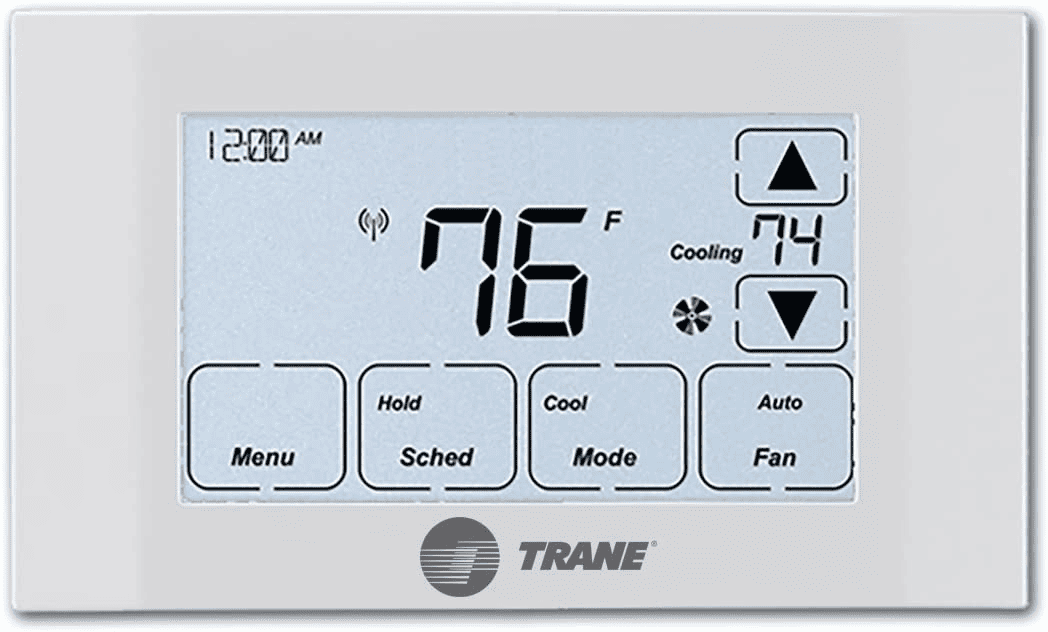
Loose Wires: While less likely to cause a complete blank screen (usually resulting in intermittent issues), a very loose or disconnected C-wire (or other power wires) at the thermostat's backplate or inside the furnace could prevent power flow. Only check this if you're comfortable and have turned off power at the breaker first!
Thermostat Failure: Like any electronic device, thermostats can simply fail. If all power checks out and the unit is still blank, it might be time for a replacement. Luckily, many modern thermostats are fairly straightforward to install, especially if you're replacing a similar hardwired model.
When to Call in the Cavalry
While DIY fixes are empowering, there's no shame in knowing when to call a professional. If you've checked the breaker, the service switches, and the drain pan, and your thermostat remains stubbornly dark, it's time to bring in an HVAC technician. They have the tools and expertise to diagnose transformer issues, control board problems, or more complex wiring faults quickly and safely. Plus, they can often spot other underlying issues that might lead to future problems.

Think of it as the difference between changing a flat tire and rebuilding an engine. Some tasks are perfectly suited for the weekend warrior, while others require specialized training. And remember, investing in the smooth operation of your HVAC system is an investment in your home's comfort and efficiency.
A Warm Reflection
Our homes are filled with intricate systems that hum along quietly, providing comfort and convenience without us giving them a second thought—until they stop. A blank thermostat screen, especially one without the easy fix of new batteries, serves as a gentle reminder of the sophisticated network beneath our walls and within our appliances. It’s an invitation to understand a little more about the machines that make our lives easier.
So, the next time your thermostat acts up, take a deep breath. You're not just fixing a screen; you're engaging with the heart of your home's comfort system. And with a little know-how, you can often bring that warmth (or cool breeze) right back into your living space, feeling a touch more empowered and connected to your home in the process.