
Theme Of To Kill A Mockingbird
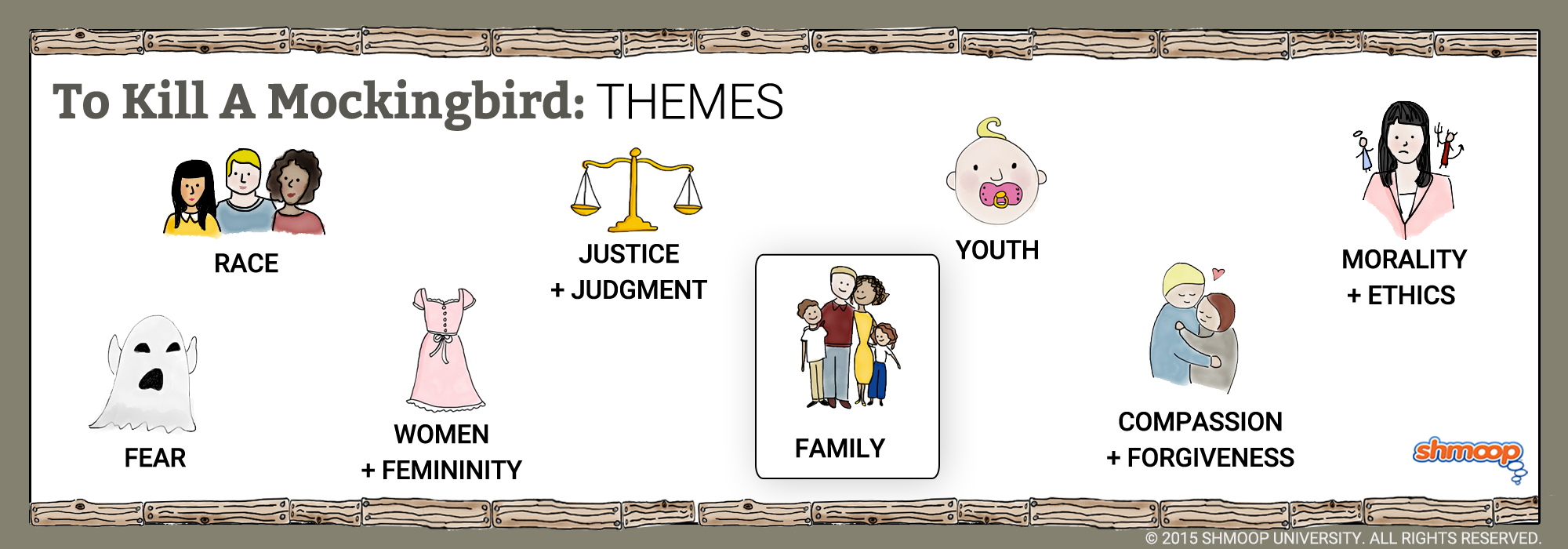
Okay, let's talk about To Kill a Mockingbird. You might remember reading it in high school and thinking, "Ugh, literature." But trust me, strip away the assigned reading stress, and it's actually a pretty awesome book. And at its heart is a theme that's still super relevant today: walking a mile in someone else's shoes.
Think about it. Have you ever jumped to a conclusion about someone, only to realize you were totally wrong? Like, maybe you saw someone dressed a certain way and automatically assumed they were a certain type of person? Or maybe you heard a rumor about a colleague and took it as gospel? We all do it. It's human nature.
To Kill a Mockingbird, at its core, is all about challenging that impulse. It's about looking beyond the surface and trying to understand where someone else is coming from, even if they're different from you, even if you disagree with them.
Must Read
Boo Radley: The King of Misunderstandings
Take Boo Radley, for example. He's the boogeyman of Maycomb, right? The kids are terrified of him, they make up stories about him, and they never even see him. He's a complete mystery, shrouded in fear and prejudice.
But as the story unfolds, we slowly start to see a different side of Boo. We see his quiet acts of kindness, like leaving gifts for Scout and Jem in the knothole of the tree. And ultimately, we see him as a vulnerable, misunderstood human being who's been unfairly judged.
Think of it like this: You see a stray cat lurking around your neighborhood. Your first instinct might be to shoo it away. But what if you took a moment to observe it? Maybe you'd notice it's injured or scared. Maybe you'd realize it just needs a little food and shelter. Seeing Boo Radley like that cat shifts the whole dynamic, right? That's the power of empathy, of trying to understand someone's situation.
Atticus Finch: Empathy in Action
Then there's Atticus Finch. He's the moral compass of the book, the guy who's constantly reminding Scout and Jem to consider other people's perspectives. His famous line, "You never really understand a person until you consider things from his point of view… until you climb into his skin and walk around in it," is basically the book's thesis statement.

Atticus embodies empathy by defending Tom Robinson, a black man wrongly accused of assaulting a white woman. He knows that Tom is innocent, but he also knows that the odds are stacked against him because of the deeply ingrained racism of the South.
He faces immense social pressure and even threats to his family, but he stands his ground because he believes it's the right thing to do. He's not just defending Tom; he's defending the principle of equality and justice for all. He shows his children what real courage looks like: standing up for what you believe in, even when it's unpopular.
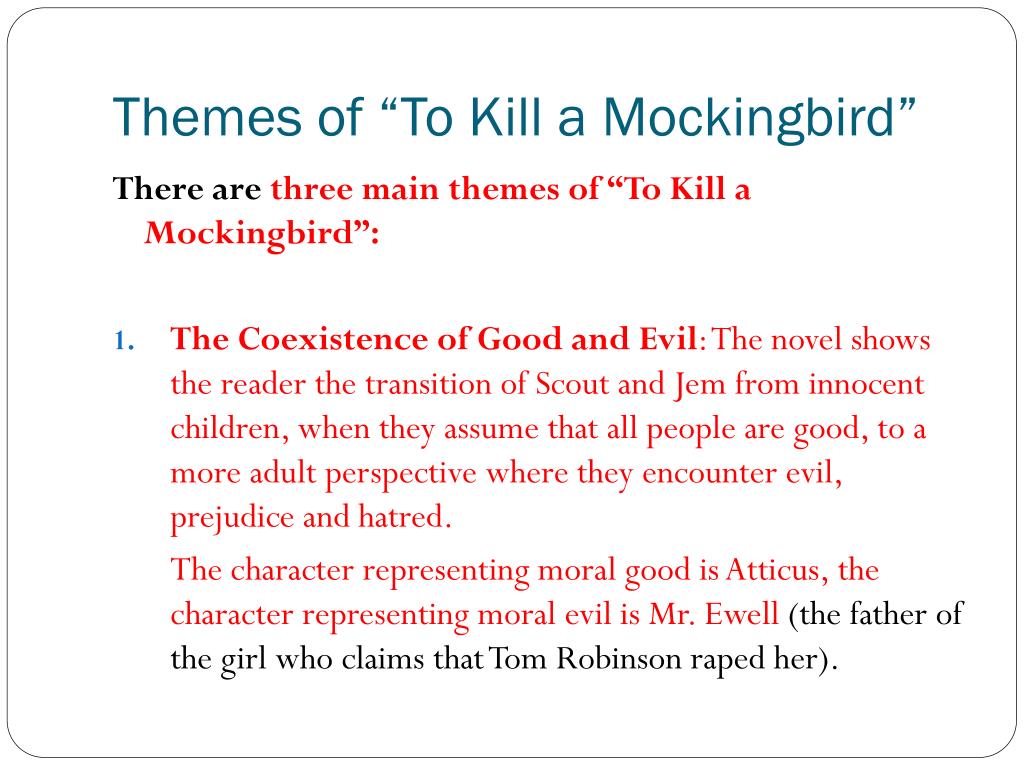
Why Should We Care Today?
So, why does all this matter in the 21st century? Because we're still struggling with prejudice, misunderstanding, and a lack of empathy. We see it in the news every day, in the comments sections of social media, and even in our own personal interactions.
It's easy to fall into the trap of judging people based on their race, religion, political beliefs, or any other superficial characteristic. It takes conscious effort to stop, think, and try to understand where someone else is coming from.
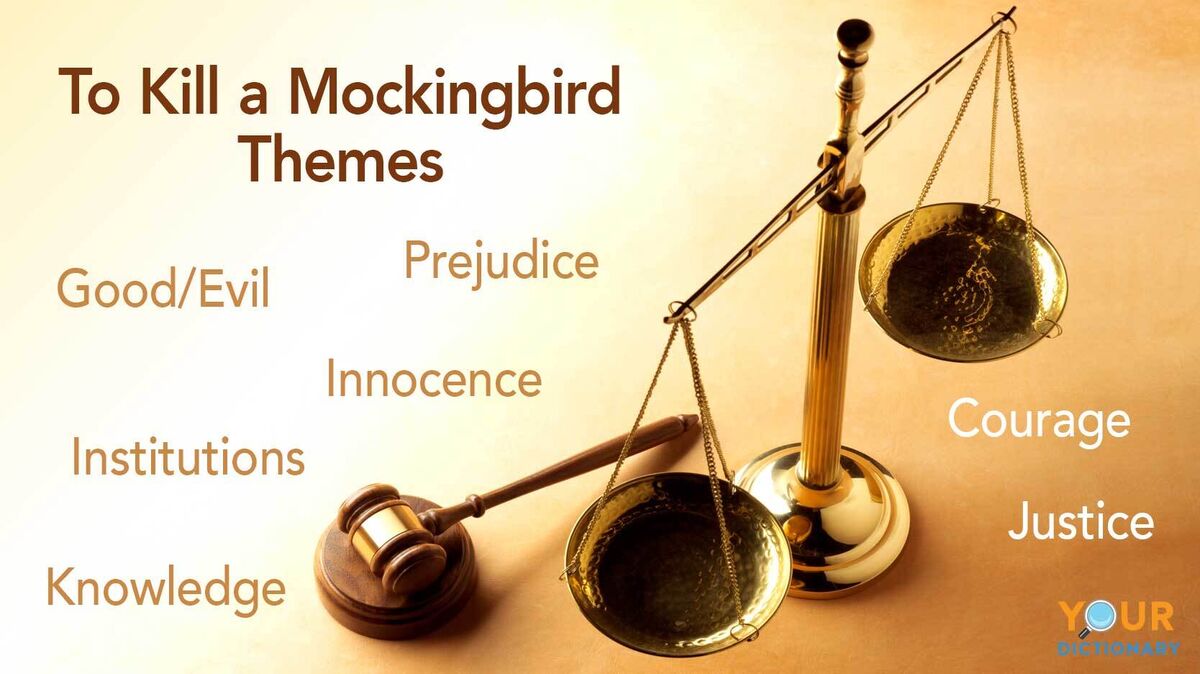
Imagine a world where everyone tried, even just a little bit, to see things from another person's perspective. Think about how much more understanding, tolerance, and compassion there would be.
That's the promise of To Kill a Mockingbird. It's a reminder that even in the face of prejudice and injustice, empathy and understanding can make a difference. It encourages us to be a little more like Atticus Finch, a little more willing to walk a mile in someone else's shoes. It's a powerful message, and one that's just as relevant today as it was when the book was first published.
So, next time you find yourself judging someone, take a deep breath and remember To Kill a Mockingbird. Maybe, just maybe, you'll see things in a whole new light.