The Unit That Measures The Pressure Or Force
Ever inflated a tire and felt that satisfying thump as it reached the right firmness? Or perhaps you've enjoyed the perfect pressure of a well-cooked steak, achieved thanks to carefully monitored temperatures and, you guessed it, pressure. We might not always think about it, but pressure – and the ability to measure it – is a fundamental part of our daily lives. It’s the silent force ensuring everything from our car tires to our perfectly carbonated beverages work as intended. Think of it as the unsung hero of modern convenience!
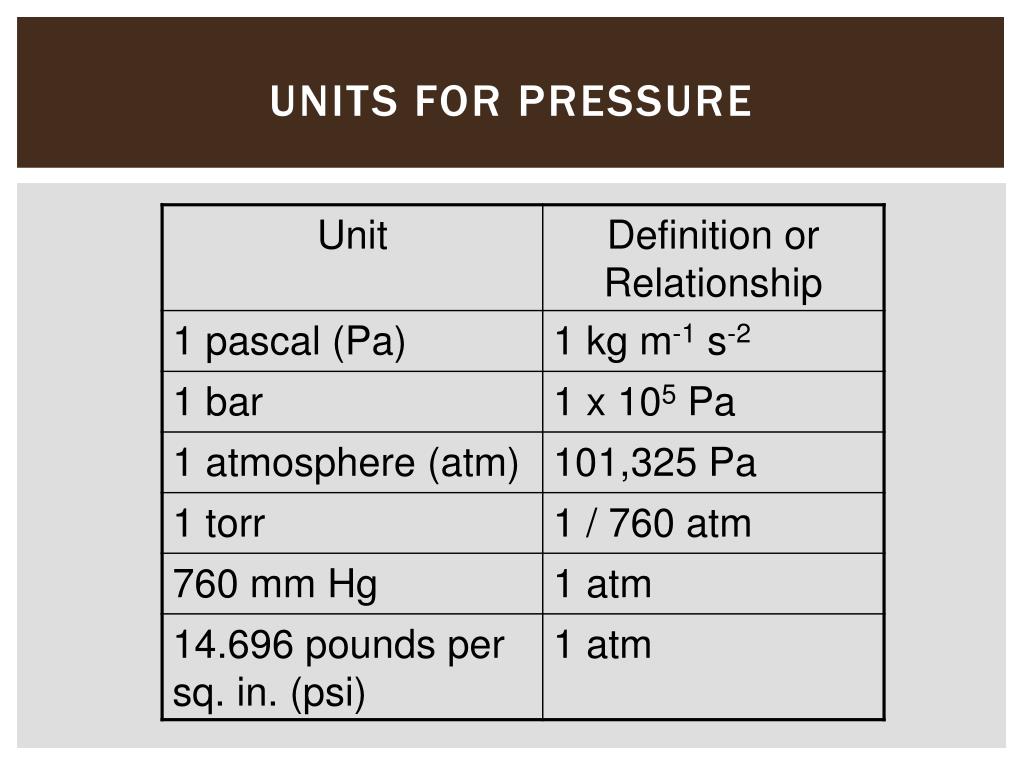
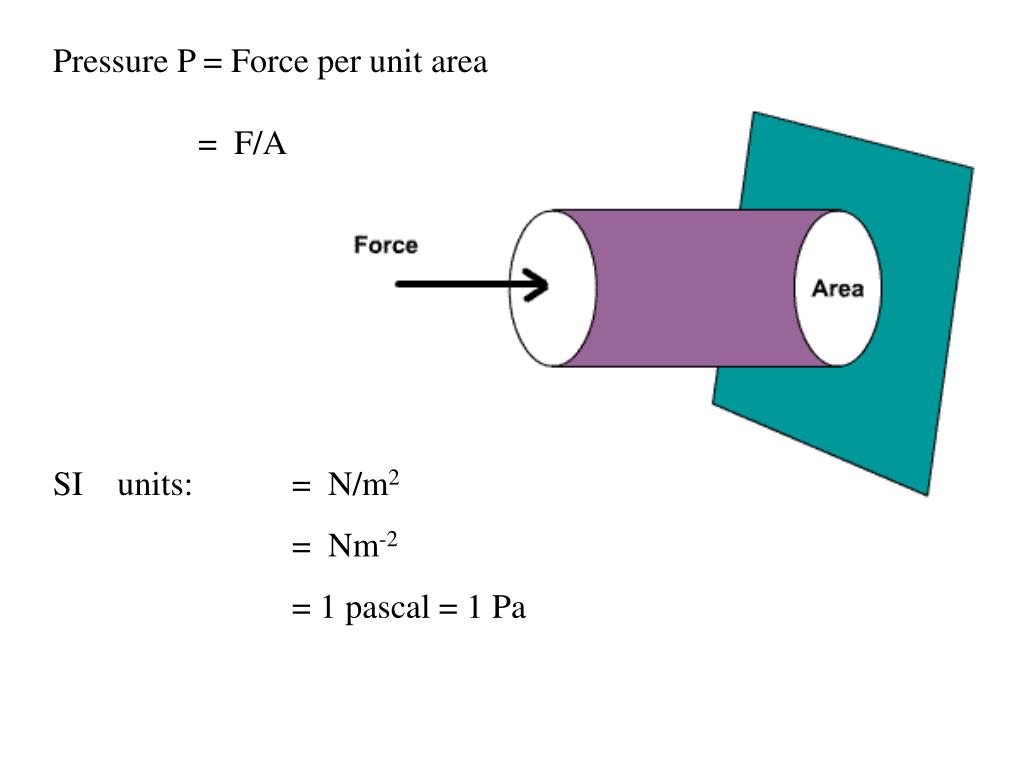
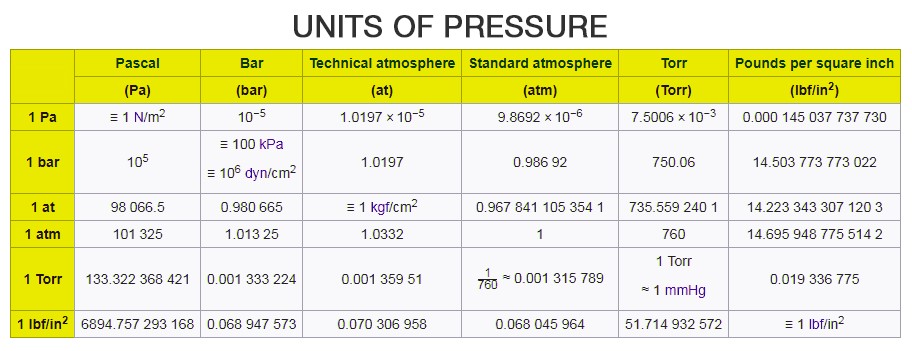
So, how do we quantify this invisible force? The answer lies in units of measurement, specifically those used to express pressure or force per unit area. The most common unit you'll encounter is the Pascal (Pa) in the metric system. But depending on where you are, you might also hear about pounds per square inch (psi), bars, atmospheres (atm), or even millimeters of mercury (mmHg), especially in medical contexts. Why so many? Because pressure is a ubiquitous concept, and different industries have historically adopted their own preferred units.
The benefits of understanding and measuring pressure are numerous. In your car, knowing the correct tire pressure ensures optimal fuel efficiency, handling, and tire lifespan. Under-inflated tires increase rolling resistance, wasting gas, while over-inflated tires can lead to a bumpy ride and increased risk of blowouts. In the kitchen, pressure cookers dramatically reduce cooking times, thanks to the increased boiling point of water under pressure. Think about weather forecasting, too. Changes in atmospheric pressure are crucial indicators of impending weather patterns, helping us decide whether to pack an umbrella or sunglasses. Even medical devices, such as blood pressure monitors, rely on precise pressure measurements to assess our health.
Must Read
The applications are vast and varied. Engineers use pressure sensors to monitor the structural integrity of bridges and buildings. Pilots rely on altimeters, which measure atmospheric pressure to determine altitude. Divers use pressure gauges to track their depth and remaining air supply. Manufacturers use pressure testing to ensure the quality and safety of their products, from gas pipelines to soda bottles. Truly, pressure measurement is woven into the fabric of our technological society.
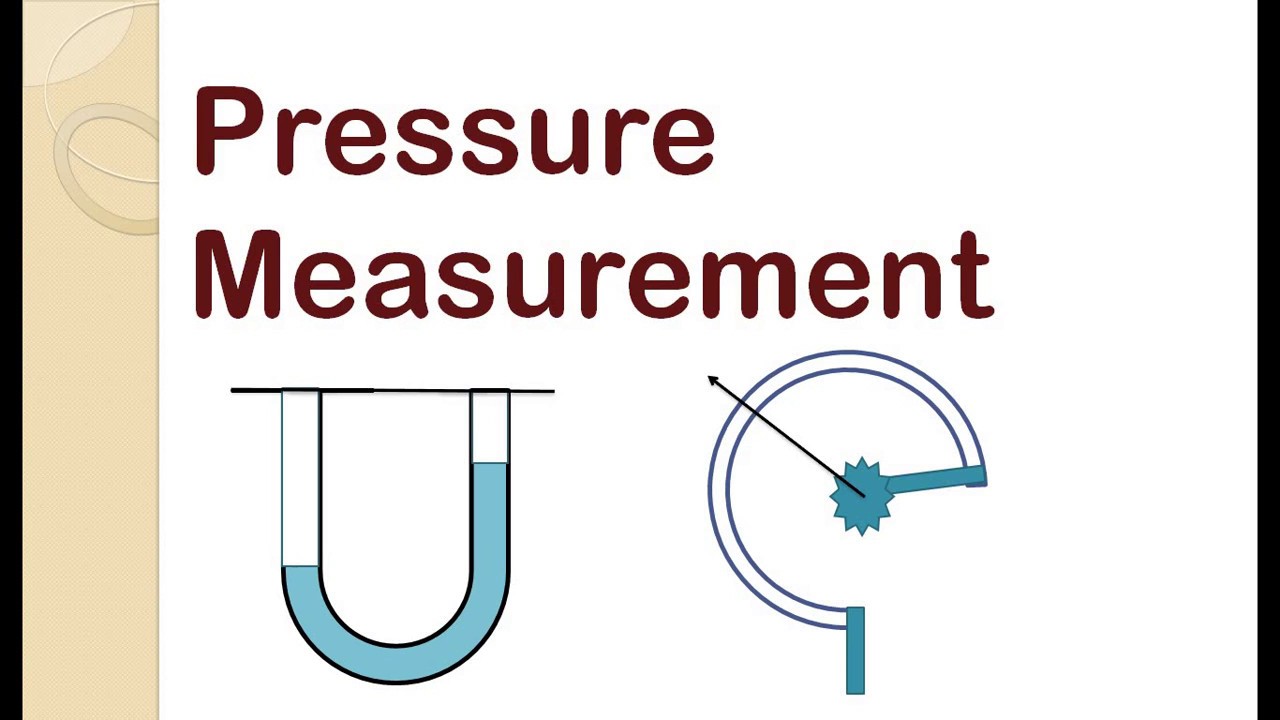
So, how can you appreciate and utilize this knowledge more effectively? Here are a few practical tips: * Invest in a reliable tire pressure gauge: Check your tire pressure regularly, especially before long trips. Refer to the sticker on your driver's side doorjamb for the recommended pressure. * Understand your appliances: If you use a pressure cooker, read the instruction manual carefully and familiarize yourself with the safety features. * Pay attention to weather forecasts: Note the reported barometric pressure. A falling pressure often indicates an approaching storm. * Explore online resources: There are many websites and apps that provide real-time pressure readings and educational materials about pressure and its measurement. * Experiment safely: With adult supervision, try simple experiments that demonstrate pressure, like the classic "egg in a bottle" demonstration, which illustrates how air pressure can be used to perform work. By paying a little more attention to the role of pressure in the world around you, you’ll gain a greater appreciation for the invisible forces that shape our daily lives and the tools we use to measure them. It's not just about inflating a tire; it's about understanding the science that makes it all possible!