
The Three Functions Of Memory Are
Ever walked into a room and completely forgotten why you're there? Or blanked on the name of that actor…you know, the one from that show? (It's always on the tip of your tongue.) Don't worry, it happens to the best of us. But have you ever stopped to think about the incredible, complex system that allows us to remember anything at all? It all boils down to three crucial functions of memory. Think of them as the three pillars upon which your entire experience of the world is built.
1. Encoding: The Inscription Process
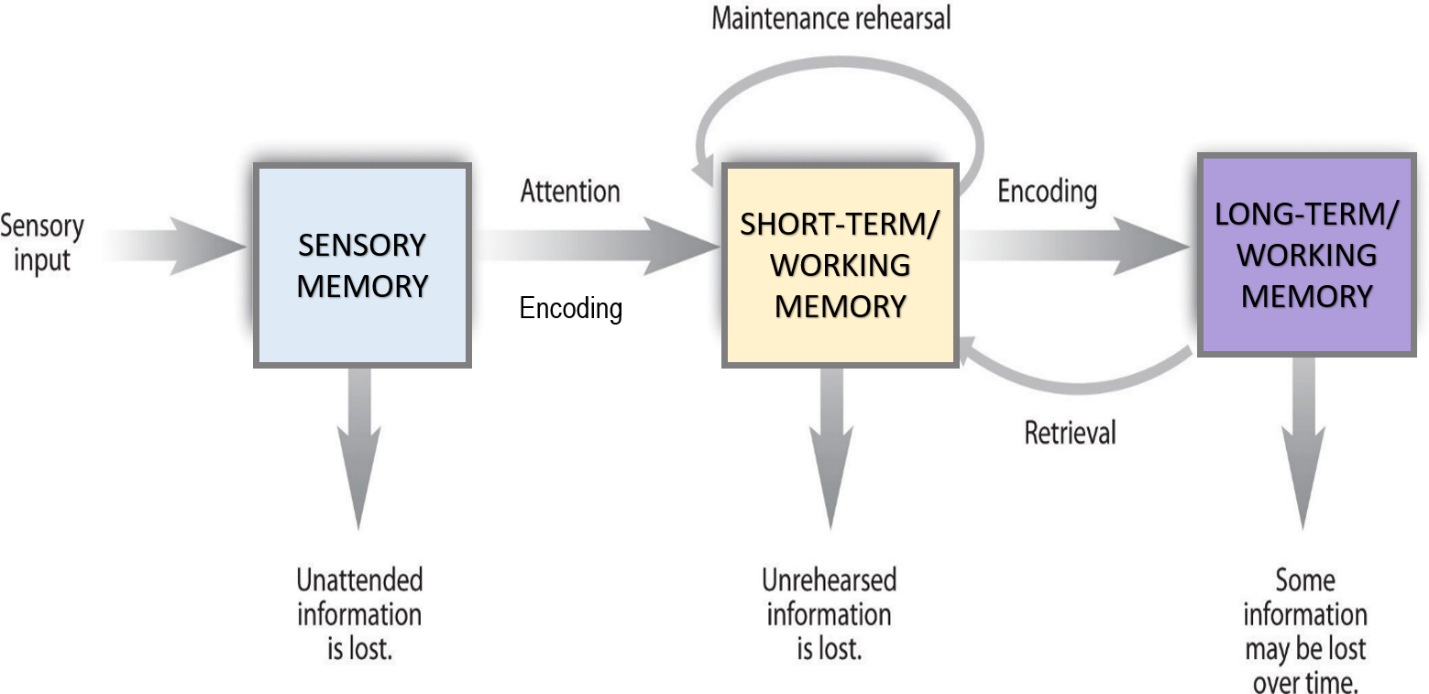
First up, we have encoding. Think of encoding as the process of converting information into a format that your brain can actually understand and store. It's like writing something down in code before putting it into a vault. There are different types of encoding: we encode sounds (acoustic encoding), images (visual encoding), and meaning (semantic encoding). Semantic encoding, by the way, is often considered the strongest. It's why you're more likely to remember a plot point from a movie than the specific outfit the actor was wearing.
Ever notice how a certain smell can instantly transport you back to a specific moment in time? That's because of a powerful connection between smell and the amygdala (responsible for emotional processing) and the hippocampus (responsible for memory formation). It’s encoding at work!
Must Read
Practical Tip: Want to boost your encoding ability? Try associating new information with something you already know. This is called elaborative rehearsal. For example, if you're trying to remember someone's name is "Rose," picture them holding a bouquet of roses. Silly? Maybe. Effective? Absolutely!
2. Storage: The Vault
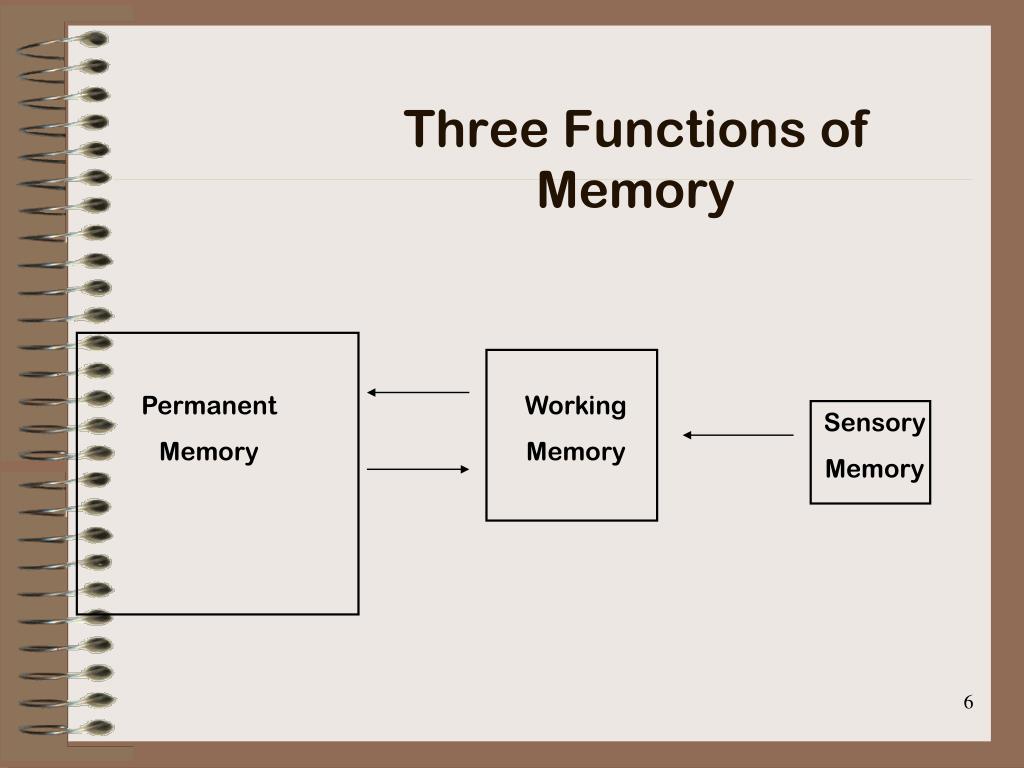
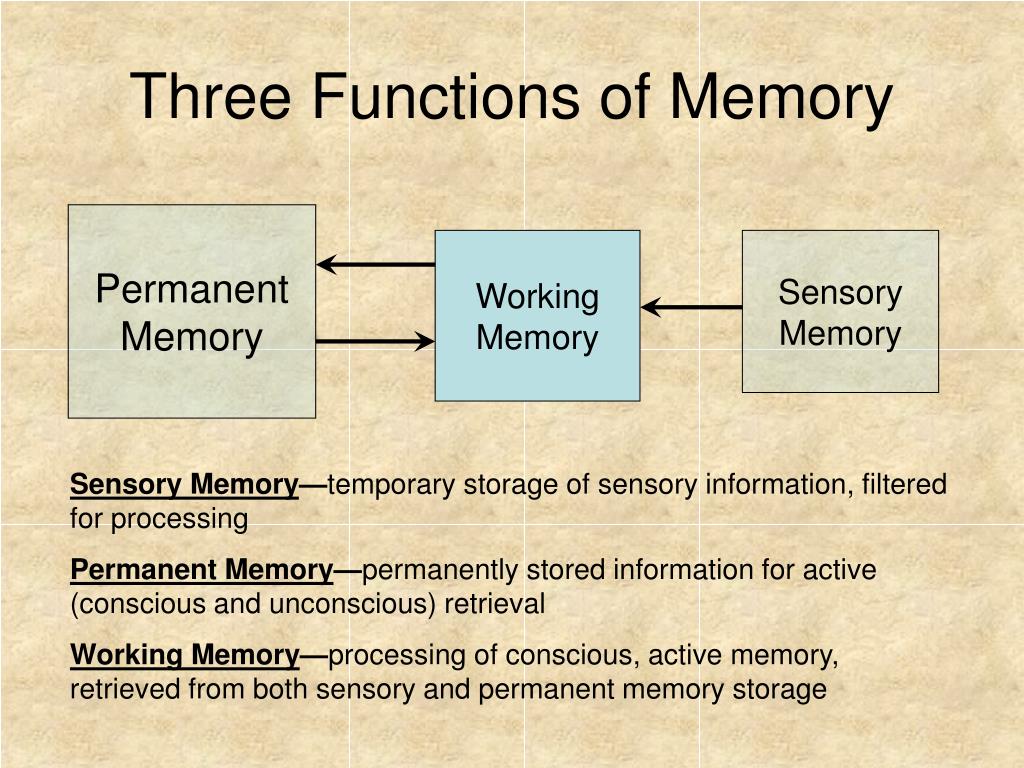
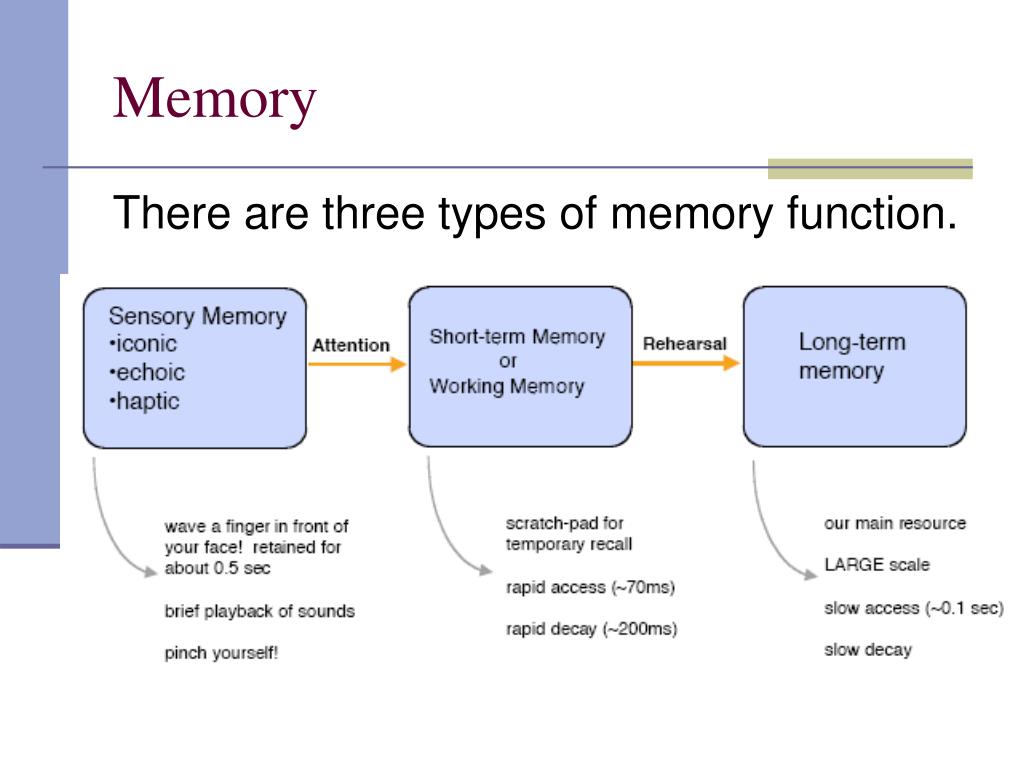
Once information is encoded, it needs a place to live. This is where storage comes in. Storage is the process of maintaining information over time. Imagine a vast library in your mind, where memories are carefully cataloged and shelved. We have different types of memory storage: sensory memory (brief, fleeting impressions), short-term memory (limited capacity, temporary holding), and long-term memory (virtually unlimited capacity, permanent storage).

Ever wondered why you can remember your childhood birthday party but can't recall what you had for lunch last Tuesday? That’s the magic (and sometimes the frustration) of long-term memory versus short-term memory. Short-term memory, or working memory, has a limited capacity, often compared to the famous “7 plus or minus 2” chunks of information.
Fun Fact: Sleep is crucial for memory storage! During sleep, your brain consolidates memories, transferring them from short-term to long-term storage. So, pull that all-nighter at your own peril!
Practical Tip: Use spaced repetition to solidify long-term memories. Instead of cramming the night before a test, review the material regularly over a longer period. Apps like Anki can help you schedule these repetitions.
3. Retrieval: Accessing the Information
Finally, we have retrieval. This is the process of accessing and bringing stored information back into conscious awareness. It's like searching the library and finding the exact book you need. Sometimes retrieval is easy – like remembering your own name. Other times, it's…well, like trying to remember the name of that actor from that show!
There are different types of retrieval: recall (retrieving information without cues, like answering an essay question) and recognition (identifying information from a list of options, like taking a multiple-choice test). Recognition is generally easier than recall because you're provided with cues.
Did you know? Context matters! The encoding specificity principle suggests that retrieval is easier when the context at retrieval matches the context at encoding. This is why you might struggle to remember something you learned in class when you're at home.
Practical Tip: Use retrieval practice! Regularly test yourself on the material you're trying to learn. This forces your brain to actively retrieve the information, strengthening the memory trace. Flashcards, self-quizzes, and teaching the material to someone else are all excellent retrieval practice strategies.
These three functions – encoding, storage, and retrieval – work together seamlessly to create the memories that shape our lives. Without any one of them, memories wouldn’t exist.
Think about it: every time you learn something new, relive a past experience, or simply remember where you put your keys, these three processes are silently working in the background. Understanding how they work can empower you to improve your memory and appreciate the incredible power of your own mind. Now, go forth and encode, store, and retrieve some amazing memories!