
The Security System In A House Has Two Units
In our busy lives, home is more than just a place; it's our sanctuary, our quiet corner in a loud world. We fill it with memories, comfort, and, let’s be honest, quite a few Amazon deliveries. So, naturally, keeping that sanctuary safe is a big deal. But when you hear "security system," does your mind immediately jump to complex wiring diagrams and mission control panels?
Fear not, fellow home dwellers! Modern home security is far less intimidating and much more intuitive than you might think. In fact, most robust systems essentially boil down to a simple, brilliant partnership: two core units working in harmony to keep your world secure. Think of them as the dynamic duo of home protection, a bit like Batman and Robin, but for your front door.
The Brain: Your Central Command Hub
First up is the star of the show, the central command hub. This is the brain of your entire operation, the conductor of your home security orchestra. Whether it’s a sleek touchscreen panel near your entryway or a discreet device tucked away, this unit is where all the magic happens.
Must Read
It’s the communication center, the processing unit, and often, your direct line to the outside world. When you arm or disarm your system, you’re talking to this unit. When a sensor detects something amiss, it reports directly here. Many modern hubs are like the smartphones of the security world: they’re Wi-Fi enabled, often come with intuitive apps for remote control, and can even integrate with other smart home devices like your lighting or thermostat. Imagine dimming the lights and locking the doors from your bed with a single tap – that's the hub orchestrating it all!
Practical Tip: Place your hub in an easily accessible spot for family members, but perhaps not overtly visible from outside. Ensure it has a reliable power source and a battery backup – because even the best brains need a plan B during a power outage!
The Eyes & Ears: Your Network of Sensors
Next, we have the equally vital supporting cast: the network of sensors and detection devices. If the hub is the brain, these are the system’s eyes, ears, and even its nose. These little sentinels are strategically placed around your home to detect any unusual activity.
Think about it:
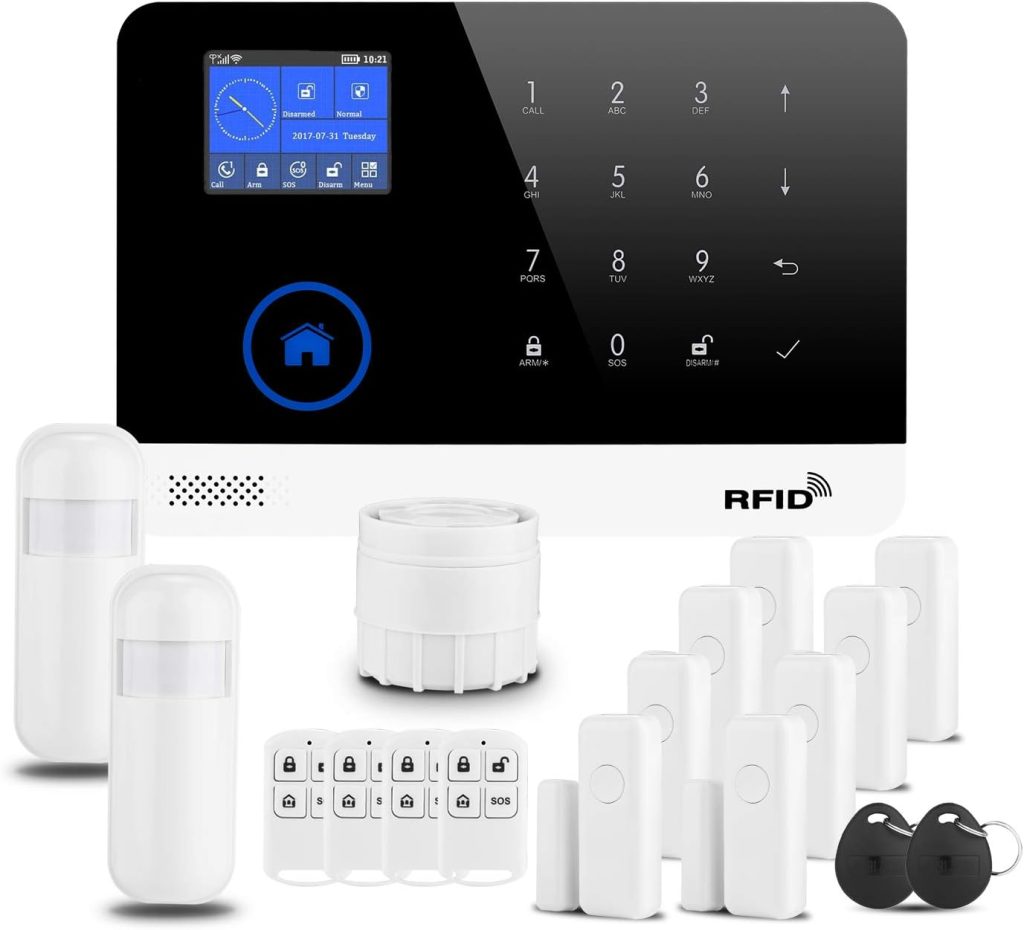
- Door and Window Sensors: These tiny magnets know when an opening is breached, sending an instant alert. They’re like silent bouncers for your home’s entry points.
- Motion Detectors: Covering larger areas, these sensors are great for hallways or living rooms. The clever ones can even differentiate between your curious cat and a human intruder, saving you from countless false alarms (a classic "fun fact" for pet owners!).
- Glass Break Sensors: Often overlooked, these listen for the specific sound frequency of breaking glass, offering an extra layer of protection for windows and sliding doors.
- Environmental Sensors: Modern systems often extend beyond intrusion. Smoke detectors, carbon monoxide (CO) detectors, and even flood sensors (for those pesky water leaks) also fall under this unit, reporting back to the central hub for comprehensive home safety.
Practical Tip: When placing motion sensors, consider high-traffic areas but avoid pointing them directly at heat sources or windows where sunlight might trigger false alarms. And don't forget to regularly check the batteries – these little guys are working hard!
The Symphony of Security: How They Work Together
So, how do these two units create that seamless blanket of security? It’s all about communication. When a sensor detects something out of the ordinary—say, a door opens when it shouldn't, or motion is detected in an armed zone—it immediately sends a signal to the central command hub.

The hub, acting on its programming, then triggers the appropriate response: perhaps an ear-splitting siren (a great deterrent!), flashing lights, and instantly sending notifications to your phone and, if you have professional monitoring, directly to a monitoring station. This station then verifies the alert and contacts emergency services if needed. It’s a beautifully coordinated dance designed to keep you and your loved ones safe.
Beyond the Basics: Smart Living
The beauty of these two units working together is their scalability. You can start with a basic setup and add more sensors, cameras, or smart home devices over time. Your security system isn't just about deterring intruders; it's about creating a smarter, more responsive home environment that adapts to your needs. Fancy having your smart lights turn on automatically when you disarm the system after a long day? That's the power of this two-unit synergy!
Ultimately, a home security system, broken down into its two core units, isn't about complexity; it's about simplicity and peace of mind. It’s knowing that your sanctuary is being watched over, allowing you to truly relax, enjoy your Netflix binge, or travel without a nagging worry. It’s not just protecting your belongings; it’s about safeguarding your peace, your family, and the comfort of your everyday life. And that, in a chaotic world, is priceless.
