
The Reactivity Of An Atom Arises From
Have you ever wondered why some things explode when mixed, while others sit there doing absolutely nothing? The secret lies in the reactivity of atoms! It's a fundamental concept in chemistry, and understanding it helps us make sense of the world around us – from cooking to cleaning, and even the colors we see.
Think of atoms as tiny building blocks, each wanting to achieve a state of perfect balance. An atom's reactivity basically describes how likely it is to interact with other atoms to achieve this balance. This interaction can be anything from sharing electrons to completely transferring them. It's like atomic matchmaking, where atoms seek partners to become more stable. And understanding this matchmaking process unlocks a deeper understanding of how matter behaves.
So, what determines how reactive an atom is? It all boils down to its electron configuration, specifically the number of electrons in its outermost shell, also known as the valence shell. Atoms strive to have a full valence shell, like achieving that perfect score on a test! If an atom has a nearly full or nearly empty valence shell, it's generally more reactive. It will readily give away or accept electrons to complete its outer shell.
Must Read
For instance, sodium (Na) has only one electron in its valence shell. It's incredibly eager to get rid of it! Chlorine (Cl), on the other hand, has seven valence electrons, and it desperately wants one more. When they meet, sodium happily donates its electron to chlorine, forming sodium chloride – table salt! This is a classic example of a highly reactive interaction.
In contrast, noble gases like helium and neon already have full valence shells. They are incredibly stable and unreactive, which is why they're used in applications where inertness is crucial, like in balloons or as a protective atmosphere in certain industrial processes.
Understanding atomic reactivity is vital in many fields. In education, it helps students grasp the basics of chemical bonding and predict how different substances will react with each other. In daily life, it explains why certain cleaning products should never be mixed (like bleach and ammonia – a potentially deadly combination due to their high reactivity), or why certain metals corrode while others don't.
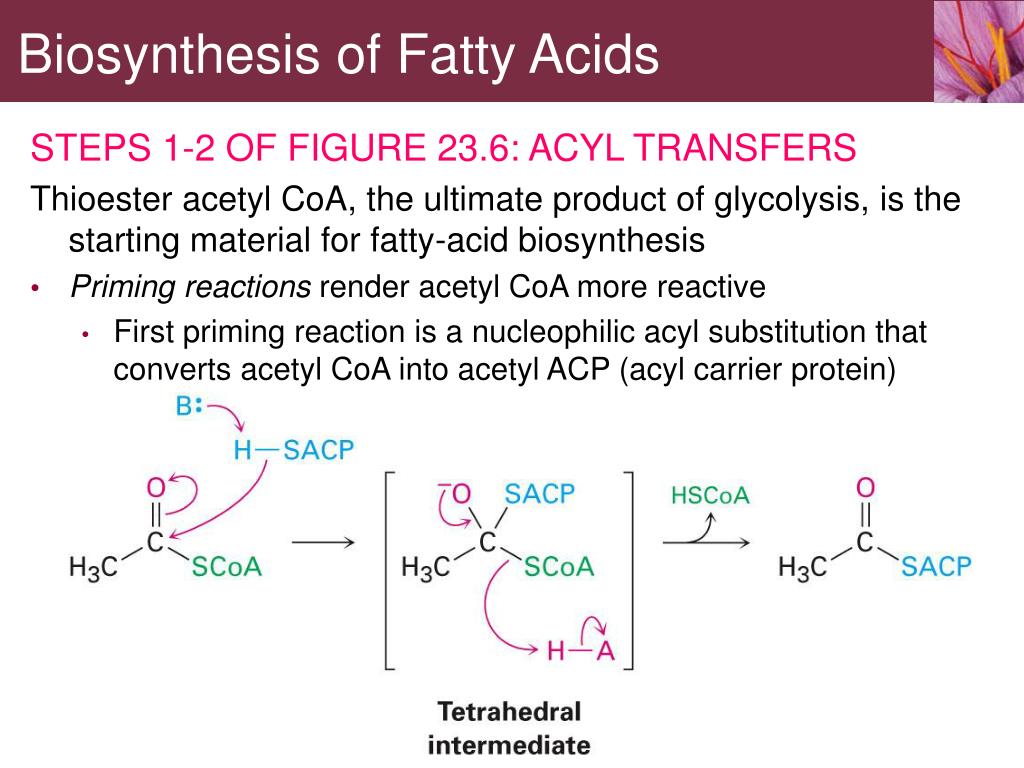
Want to explore the world of atomic reactivity yourself? A simple way to start is by observing common reactions around the house. For example, watch what happens when you add baking soda (sodium bicarbonate) to vinegar (acetic acid). The fizzing is a sign of a chemical reaction occurring, driven by the reactivity of the atoms involved. You can also research the periodic table and notice the trends in reactivity – elements in the same group (vertical column) often have similar reactivity due to their similar valence electron configurations. Experimenting safely and observing carefully are key to understanding this fascinating aspect of chemistry.
So, next time you see a chemical reaction, remember the tiny atoms interacting, striving for stability and balance. It's a fundamental force that shapes the world we live in, and understanding it opens up a whole new level of appreciation for the magic of chemistry.

