The Lightning Bug From Princess And The Frog
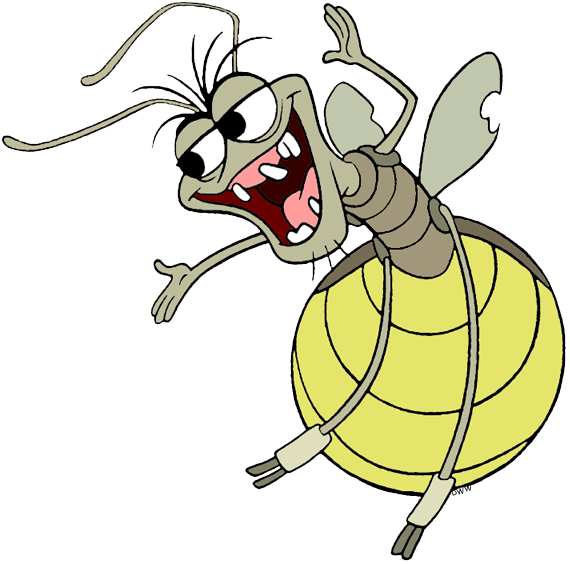
Ever since Princess and the Frog charmed audiences with its jazzy soundtrack and heartwarming story, one character has consistently stood out: Ray, the lovesick lightning bug. But beyond his comedic timing and devotion to Evangeline, Ray offers a surprisingly rich lens through which to explore concepts relevant to both education and everyday life. Why? Because his bioluminescence, his dedication, and even his accent offer valuable lessons waiting to be uncovered.
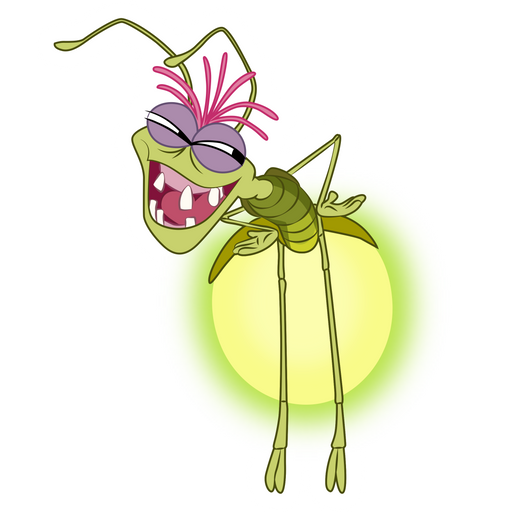
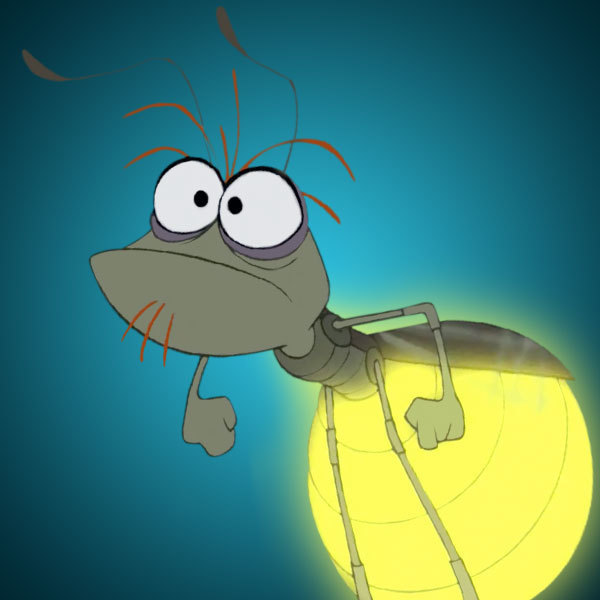
Ray’s most obvious feature, his glowing body, showcases the fascinating phenomenon of bioluminescence. This isn't just Disney magic; it's a real chemical reaction that produces light in living organisms. The purpose of bioluminescence varies across species. For fireflies like Ray, it's primarily used for attracting mates. Males flash specific patterns to signal their availability to females. In the film, Ray's persistent glow is a testament to his unwavering affection for Evangeline, a star he believes is another firefly.
But the benefits extend far beyond romance. In the real world, scientists are actively studying bioluminescence for a multitude of applications. Think about biomedical research. Bioluminescent markers can be used to track cells and monitor disease progression in the human body, allowing for earlier and more effective treatments. Imagine being able to pinpoint cancerous tumors before they become life-threatening – that’s the power of bioluminescence at work!
Must Read
Furthermore, bioluminescence plays a crucial role in environmental monitoring. Changes in the bioluminescent activity of certain organisms can indicate pollution or other environmental stresses. This makes them excellent bio-indicators, providing an early warning system for potential ecological disasters. So, that little flash of light isn't just pretty; it can be a vital sign for the health of our planet.
How can we explore these concepts further, inspired by Ray? Well, start with education. In science classes, the story of Ray can be a fun and engaging introduction to the concepts of bioluminescence, chemical reactions, and animal communication. Teachers can use the film as a springboard for discussions about scientific accuracy versus artistic license. Even younger children can learn about different animal adaptations and the importance of light in the natural world.

Outside the classroom, consider a nighttime nature walk. Pay attention to the sounds and sights around you. While actual fireflies might not have Ray's accent (he’s Cajun, after all!), observing their flashing patterns can be a mesmerizing experience. You can even try to mimic the patterns yourself to see if you can attract them. Remember to be respectful of their habitat and avoid using artificial light which can disrupt their communication.
Another easy way to explore this topic is through online resources. Many websites and documentaries delve into the science behind bioluminescence and its applications. Research different bioluminescent organisms, from fireflies to deep-sea creatures, and marvel at the diversity of life on our planet. By looking beyond the charming exterior of a Disney character, we can unlock a world of scientific wonder and appreciate the real-world implications of even the smallest spark.