
The Enzyme That Breaks Down Camp To Amp Is

Hey there, fellow science enthusiast! Ever wondered what goes on behind the scenes in your body, at a molecular level? Like, really behind the scenes? I'm talking about the tiny ninjas constantly building and breaking things down. Well, grab your metaphorical lab coat, because we're about to dive into the fascinating world of…enzymes!
Specifically, we're chatting about the enzyme that breaks down cAMP to AMP. Yeah, I know, sounds like alphabet soup, right? But trust me, it's cooler than it sounds.
What's cAMP and Why Should I Care?
Okay, so cAMP. It stands for cyclic adenosine monophosphate. Try saying that five times fast! It's basically a tiny messenger molecule inside your cells. Think of it as the cellular equivalent of a text message. It relays instructions from hormones and other signals to various processes within the cell. Pretty important stuff!
Must Read
Imagine a hormone yelling from outside the cell, "Hey, do something!" cAMP is like the intern who runs inside and whispers in the cellular machinery's ear, "Boss says do this!" Without cAMP, a lot of cellular functions would just…sit there, twiddling their thumbs.
Enter: Our Enzyme Hero!
Now, what happens when the message has been delivered? You don't want that intern running around forever, right? That's where our enzyme hero comes in. This enzyme is called, wait for it… phosphodiesterase (PDE). Catchy, huh? We’ll stick with PDE for now, shall we?

PDE is basically the clean-up crew. Its job is to break down cAMP into AMP (adenosine monophosphate). AMP is like the inactive version of cAMP. The message has been delivered, and now it's time to reset everything for the next signal. Think of it like hanging up the phone after a call. Gotta free up the line!
How Does It Work? Magic?
Well, not quite magic. It's actually pretty neat chemistry. PDE uses a water molecule (H2O) to break a specific bond in the cyclic structure of cAMP. This turns the cyclic structure into a linear one, forming AMP. This process is called hydrolysis.
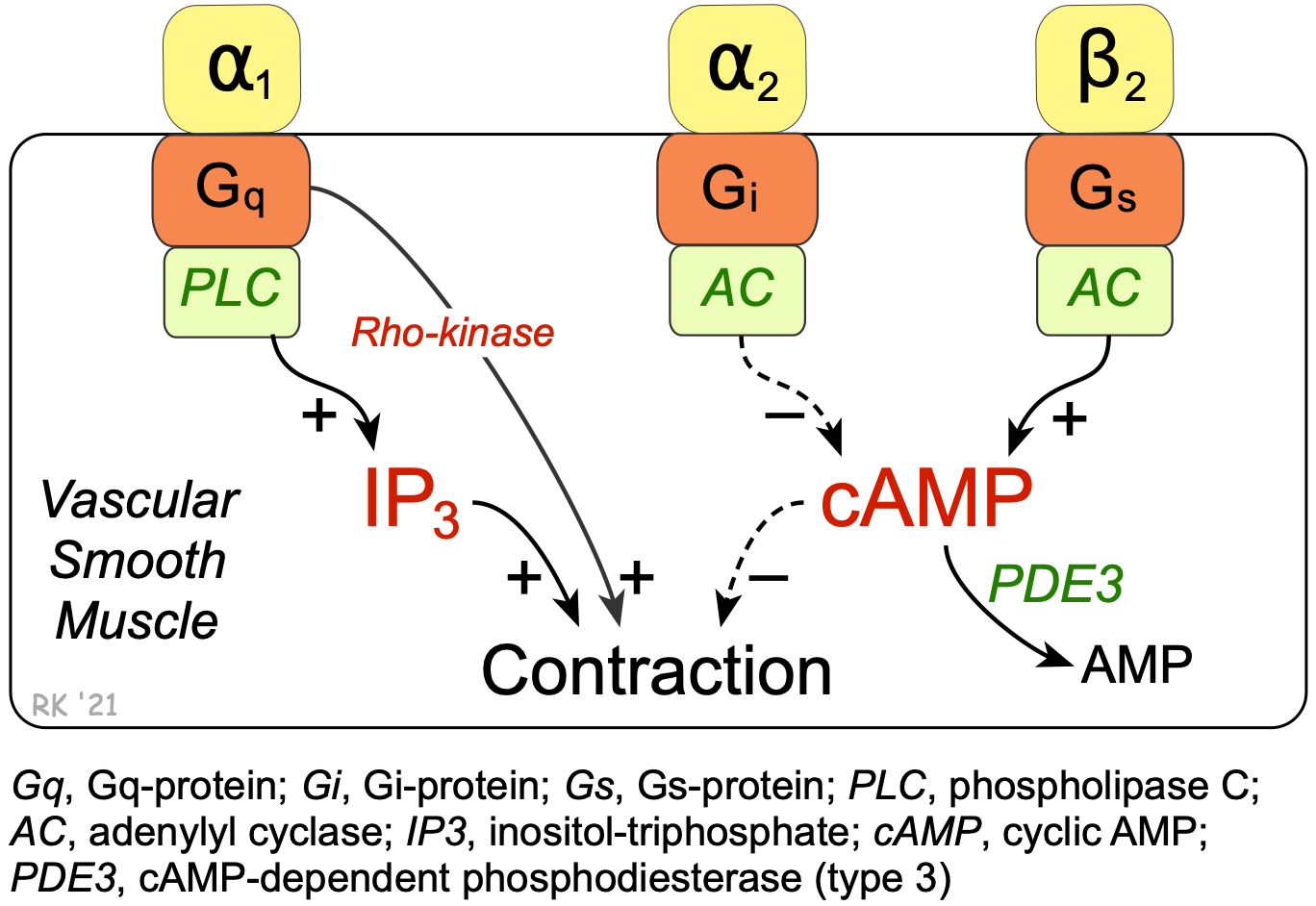
So basically, PDE is a molecular pair of scissors, snipping cAMP into its less active form. It's all about maintaining the right balance. Too much cAMP, and things go haywire. Too little, and you don't get enough of a response to important signals.
Why Is This Important? (Besides Sounding Smart at Parties)
Good question! This cAMP-AMP breakdown is crucial for a bunch of reasons. It helps regulate everything from heart rate and blood pressure to learning and memory. Yes, seriously! Think about it – all those processes need to be carefully controlled. You don't want your heart racing all the time, or your brain constantly firing off random memories. (Though, sometimes a little randomness is fun, right?)
And guess what? Different types of PDEs exist! They're found in different tissues and have slightly different preferences for what they break down. Some are picky eaters, only gobbling up cAMP, while others will happily munch on cGMP (another messenger molecule). This allows for very specific control over cellular processes in different parts of the body. Pretty cool, huh?
.png)
What's even more interesting is that some drugs target PDEs! For example, caffeine? Yep, that everyday pick-me-up actually inhibits certain PDEs. This means that cAMP sticks around for longer, leading to increased alertness and energy levels. Boom! Science in action.
In fact, there are drugs developed to target PDE5, which is found in the penis. That should give you a clue as to what that drug is for!
+is+one+of+the+most+widely+used+second+messengers.jpg)
So, What Have We Learned?
Okay, let's recap. We've learned that: * cAMP is a vital messenger molecule inside cells. * PDE is the enzyme that breaks down cAMP into AMP. * This breakdown is essential for regulating various bodily functions. * PDE inhibitors, like caffeine, can affect these functions. * Enzymes are ridiculously cool!
Hopefully, this little chat has shed some light on the amazing world of enzymes and their role in keeping our bodies running smoothly. Next time you're sipping your coffee (which, remember, is affecting your PDEs!), you can impress your friends with your newfound knowledge. You're welcome!
Now, if you’ll excuse me, all this talk about cellular processes has made me hungry. Time for a snack! Maybe something with…enzymes?