
The Electrical Power Supplied To Houses Is Usually
Ever wonder about the magical force that powers your toaster, keeps your lights on, and lets you binge-watch cat videos at 3 AM? It’s electricity, of course! But have you ever stopped to think about the electrical power that's supplied to your house and how it usually works?
The Amazing Alternating Current (AC)
The electrical power supplied to houses is usually Alternating Current (AC). Think of it as electricity that's constantly changing direction. It's not going in one direction like a river, but rather like a seesaw, rapidly switching back and forth.
This “seesawing” is what makes AC so efficient for long-distance travel. Imagine trying to deliver pizza across town on a unicycle versus a car. AC is the car of electricity; it can handle the long haul with less energy loss.
Must Read
Believe it or not, there was a time when AC was battling it out with another type of current called Direct Current (DC). This was known as the "War of the Currents," a clash between Thomas Edison (DC's biggest fan) and Nikola Tesla (the champion of AC).
Tesla vs. Edison: An Electrifying Showdown
Edison believed that DC was the superior choice, and initially, it was. He built power plants that supplied DC electricity to homes and businesses. But DC couldn't travel long distances without significant energy loss. This meant you needed power plants everywhere!
Tesla, on the other hand, championed AC. He teamed up with George Westinghouse, who had the business acumen to bring Tesla's vision to life. AC could be transmitted over long distances thanks to something called a transformer, which could easily step up and step down the voltage.
Think of transformers as magical voltage adjusters. They boost the voltage for long-distance travel (like turning up the volume on a radio so you can hear it across a room) and then lower it down to a safe level for use in your home (turning the volume back down so you don't blast your eardrums).

Eventually, AC won the "War of the Currents" because it was more efficient and cost-effective for long-distance transmission. Today, almost all power grids worldwide use AC.
From Power Plant to Your Plug
So, how does this AC electricity get from the power plant to your house? It’s a fascinating journey that involves a network of power lines, substations, and transformers.
First, the electricity is generated at a power plant, often using sources like coal, natural gas, nuclear energy, or renewable resources like wind and solar. It’s then stepped up to a very high voltage (think tens or hundreds of thousands of volts) for long-distance transmission.
These high-voltage power lines stretch across vast distances, carrying electricity from the power plant to substations. Substations are like electrical hubs where the voltage is stepped down to lower levels for distribution to local areas.
The Transformer on a Pole
Finally, the electricity reaches your neighborhood, where you'll often see transformers mounted on utility poles. These transformers step down the voltage one last time to the standard voltage used in your home (usually around 120 or 240 volts in North America, and 230 volts in many other countries).
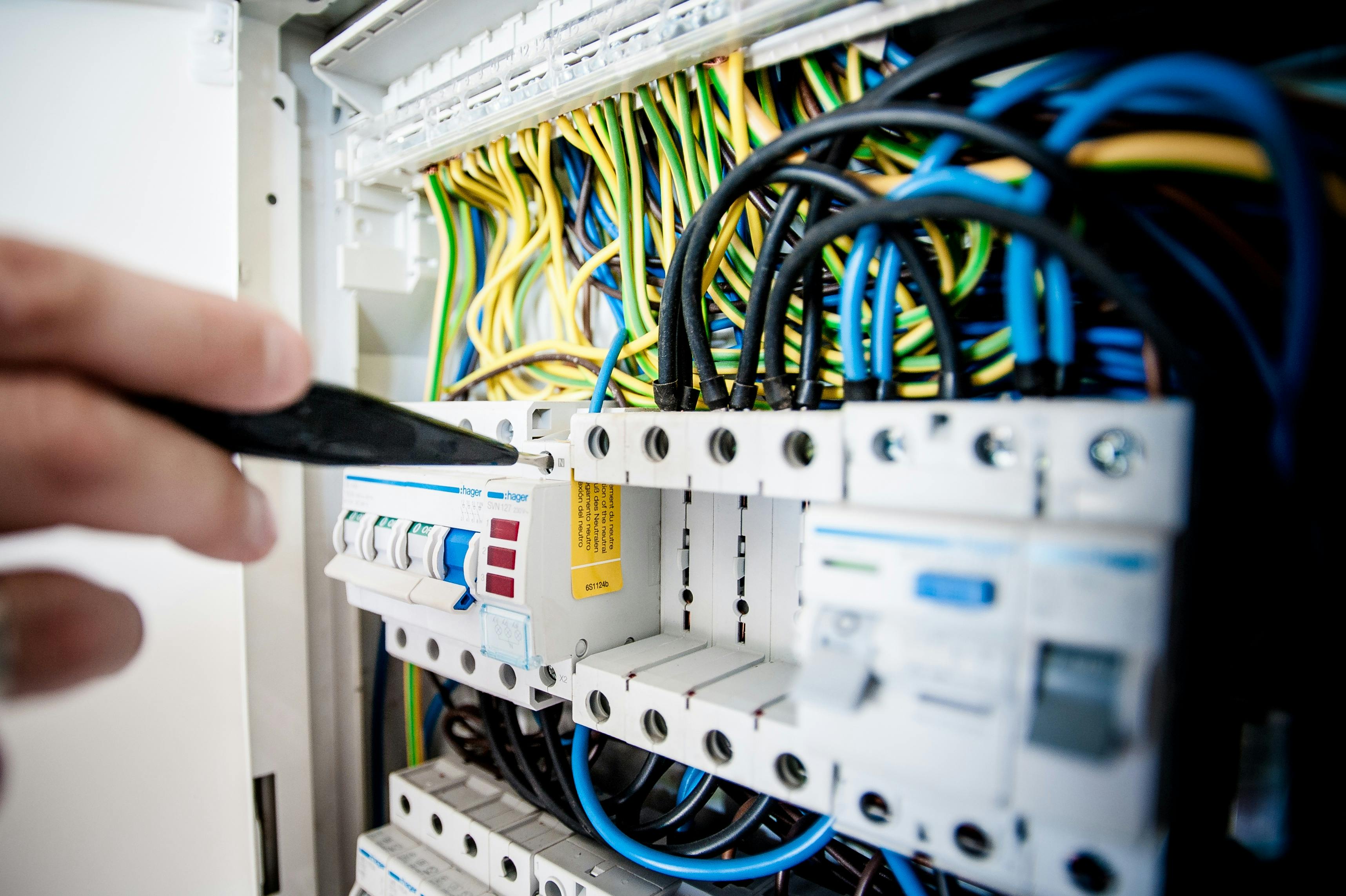
From the transformer, the electricity flows through wires into your house and into your electrical panel, also known as the breaker box. This panel acts as the central distribution point for electricity in your home, dividing the power into different circuits that supply your outlets, lights, and appliances.
Every time you plug in your phone charger, turn on a light, or start your coffee maker, you’re tapping into this incredible network of electrical power that stretches across vast distances. It’s a modern marvel we often take for granted.
The Importance of Safety
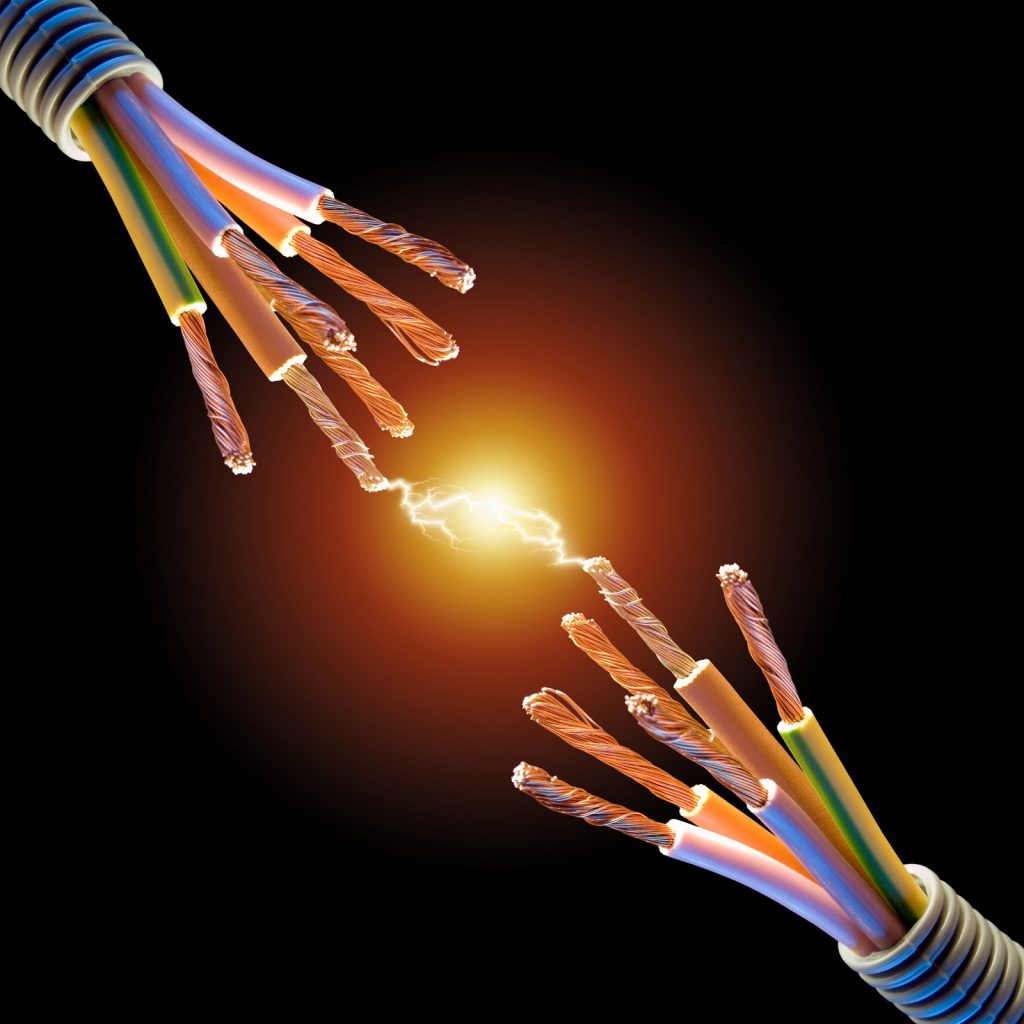
While electricity is incredibly useful, it's also important to remember that it can be dangerous. Never attempt to tamper with electrical wiring or equipment unless you're a qualified electrician.
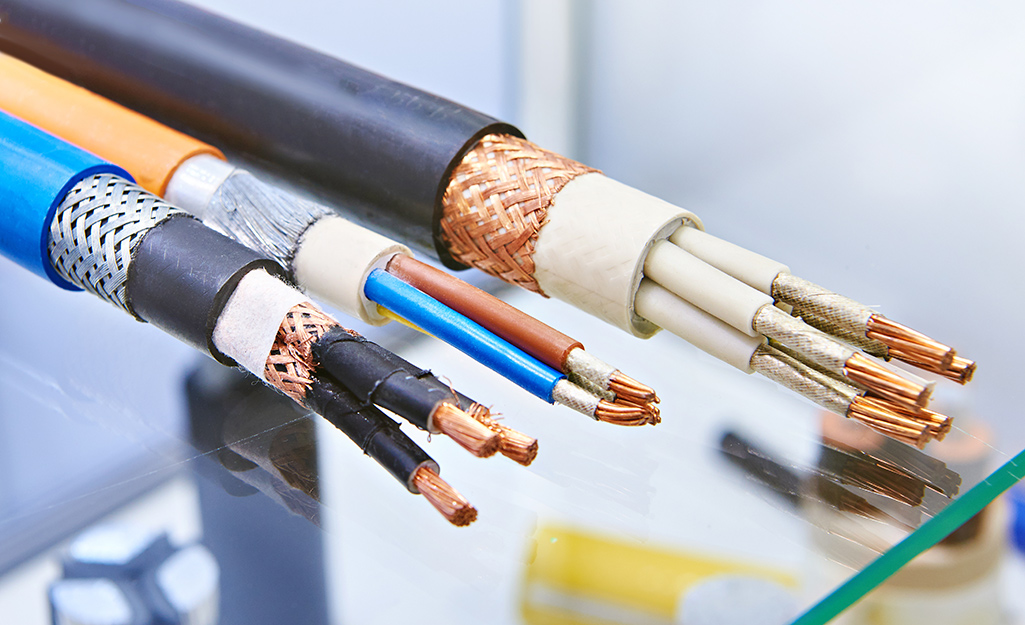
Always follow safety precautions when using electrical appliances, and be aware of potential hazards like frayed wires or overloaded outlets. If you ever have any concerns about the electrical system in your home, it’s always best to call a professional.
Electricity is a force to be reckoned with and respect. It is not your friend when taken lightly!
Some Fun Facts About AC Electricity
Did you know that the frequency of AC electricity (the rate at which it changes direction) is different in different parts of the world? In North America, it's typically 60 Hz (60 cycles per second), while in Europe and many other countries, it's 50 Hz. This difference can affect the performance of some electrical appliances.
And here's a quirky tidbit: the reason the frequency is set at 50 or 60 Hz is partially because it was considered the optimal balance between efficiency and flicker in early light bulbs!

Another interesting fact is that the sound you sometimes hear humming from electrical equipment is due to the frequency of AC current causing vibrations in the components.
Embrace the Electrical Magic
So, the next time you flip a light switch or plug in your laptop, take a moment to appreciate the amazing journey that electricity has taken to get to your home. It's a testament to human ingenuity and engineering, and it's a vital part of modern life.
From the power plants churning out energy to the transformers humming on utility poles, the electrical power supplied to houses is a complex and fascinating system. It is also a system to be respected for safety reasons!
Let's raise a (safely insulated) glass to AC electricity, the unsung hero of our modern world, and the genius of Tesla for making it all possible!
"The present is theirs; the future, for which I have really worked, is mine." - Nikola Tesla