
The Difference Between A Typhoon And Hurricane
Hey there! Ever been chilling, scrolling, and suddenly wondered: what really is the difference between a typhoon and a hurricane? I mean, they're both gigantic swirling storms of doom, right? So, what gives?
Grab your coffee (or tea, no judgement here!), and let's dive into this weather-y whirly-gig.
Location, Location, Location!
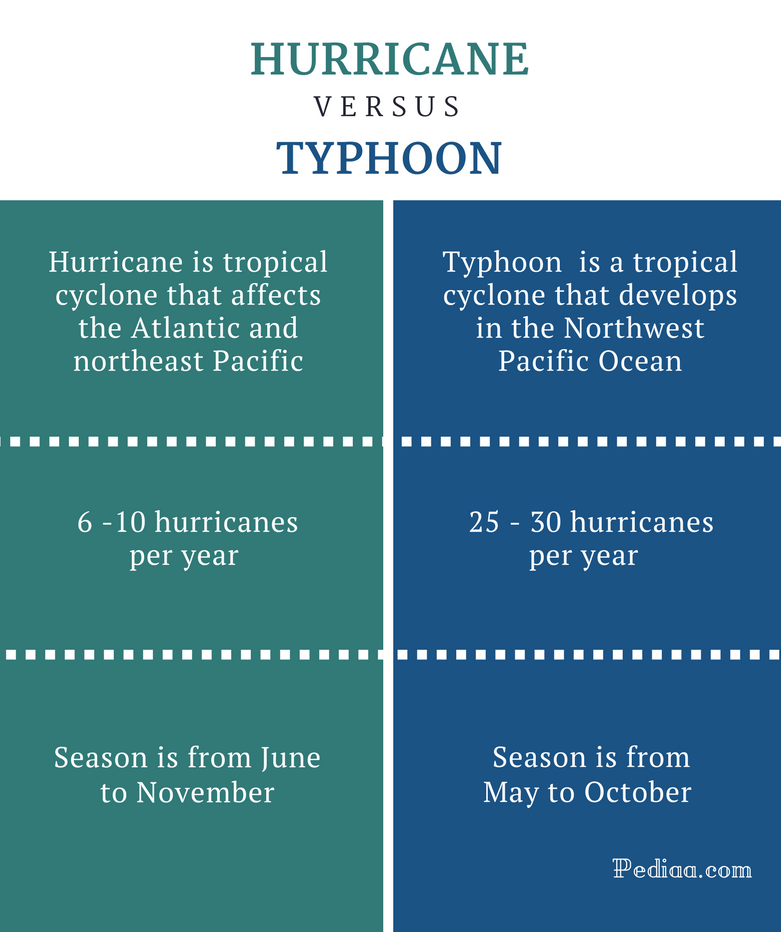
Okay, so the big secret? It's all about location. Think of it like real estate, but with wind and rain. Hurricanes, typhoons, cyclones… they're all the same type of storm: a tropical cyclone. But we call them different names depending on where they are. Wild, huh?
Must Read
Think of it like this: your name might be different to your family than to your work colleagues. You're still you, just with a different label!
So, where does each name apply, exactly?
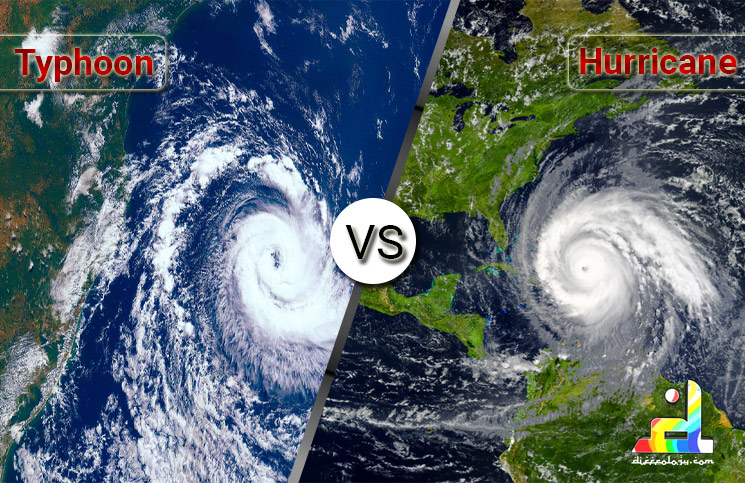
Hurricanes: These guys hang out in the North Atlantic Ocean, the Northeast Pacific Ocean (off the coast of the Americas), and the Central North Pacific Ocean.

Typhoons: These are the rockstars of the Northwest Pacific Ocean (think Japan, Philippines, China). They're basically saying, "Hey Asia, look at me go!"
Cyclones: And just to make things extra confusing, cyclones spin around in the South Pacific and Indian Oceans. So, basically, anywhere that's not where hurricanes or typhoons are.
Easy peasy, right? Or… maybe not so easy. Don't worry, we'll get there!
Strength and Sass
While the name depends on location, the intensity of these storms is what really matters. We measure this, usually using the Saffir-Simpson Hurricane Wind Scale, for hurricanes (duh!). But similar scales exist for typhoons and cyclones too. What does it all mean? How much damage they can wreak!
Generally, once a tropical cyclone hits a certain wind speed (74 mph), it gets the fancy name of hurricane or typhoon. Below that and it will be named a tropical storm. Does that clear things up, or just muddy the waters?
Think of it like a spicy food scale. A little kick? Mild. Blow-your-head-off hot? Extreme! Tropical cyclones are like that, but with wind and potential for flooding. No thanks.

Do the Differences Really Matter?
Honestly? For most of us, not really. Whether it's called a hurricane, typhoon, or cyclone, the important thing is that it's a dangerous storm. Listen to your local weather alerts, take precautions, and stay safe! End of story.
But if you're a meteorologist (or just super into weather), then yeah, the differences matter. They study the nuances of each storm, how they form, and how they impact different regions. They're like the storm detectives of the world.
Plus, knowing the right term will definitely impress your friends at trivia night, won't it? "Um, actually, that's a typhoon because it's in the Northwest Pacific!" Boom. Knowledge bomb dropped.

So, To Recap...
Hurricane, Typhoon, Cyclone: Same storm, different names depending on location. Like calling your bestie "dude," "pal," or "sweet cheeks" (okay, maybe not that last one... unless you're into that!).
Intensity: How strong the storm is. A category 5 hurricane is just as scary as a super typhoon. Scary is scary!
The Takeaway: Listen to the experts, stay safe, and maybe brush up on your geography for that next trivia night. You're welcome.
Now, go forth and impress people with your newfound storm-naming knowledge! And maybe avoid standing near the coast during a big storm, just saying. Until next time!