
The Demand And Supply Of Quinoa
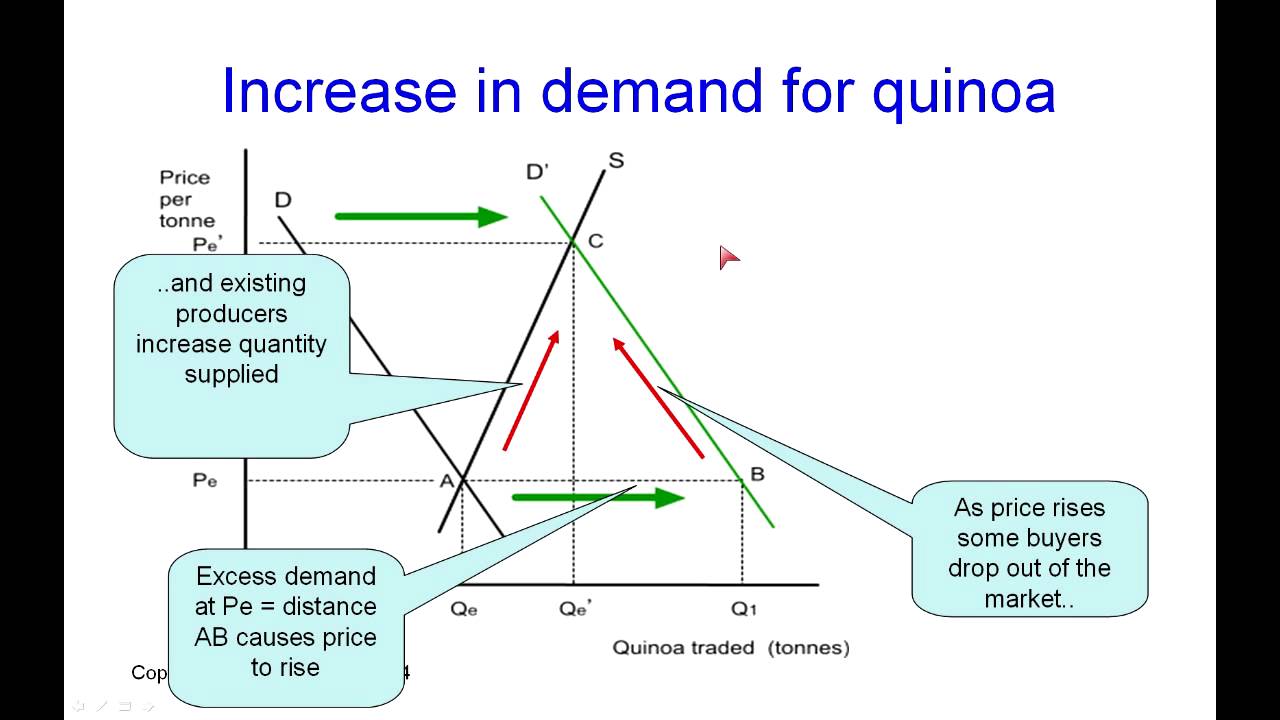
Hey there, quinoa enthusiast! Ever wonder how this tiny, mighty grain ended up on your plate? Let's dive into the quirky world of quinoa demand and supply. It's more interesting than you think!
Quinoa: From Obscurity to Superfood Stardom
Once upon a time, quinoa was a secret. A delicious secret, kept mostly in the Andes. Farmers in Bolivia and Peru cultivated it for centuries. It was a staple food, fueling their lives.
Then BAM! The world discovered quinoa. Suddenly, everyone wanted it. Celebrities raved. Nutritionists praised. It was a superfood explosion!
Must Read
Demand skyrocketed. Seriously, it went through the roof. Think 0 to 60 in seconds, but for a grain.
But why all the fuss? Well, quinoa is a nutritional powerhouse. It's a complete protein. Packed with fiber. Gluten-free (yay!). Basically, it's a health nut's dream come true.
This sudden popularity created a fascinating economic dance. A dance of supply and demand, with quinoa as the star.
The Supply Side: Growing Pains (Literally!)
Growing quinoa isn't as easy as planting a bean. It's a hardy crop, sure. It can handle tough conditions. But it needs the right altitude. The right climate. And, most importantly, the right know-how.
For years, the Andean farmers were the quinoa masters. They held the secrets to its cultivation. Their techniques were passed down through generations.
But the global quinoa boom put pressure on them. They needed to produce more. Much more.
Suddenly, prices soared. Farmers who were once struggling could now make a decent living. It seemed like a win-win, right? Well, not exactly...
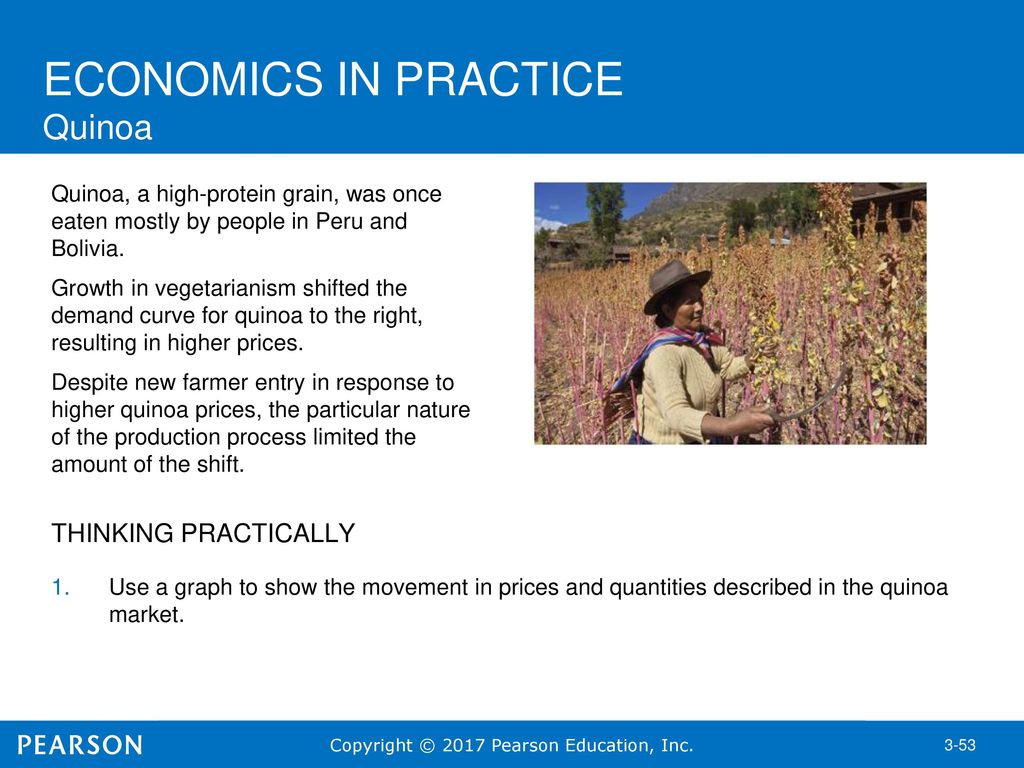
Some worried about the impact on local communities. Increased production sometimes meant less land for other crops. And higher prices made quinoa less affordable for the very people who had relied on it for centuries. Talk about irony!
Now, other countries are trying to grow quinoa. Places like the US and Canada. They're experimenting with different varieties. Trying to crack the code of quinoa cultivation. It's a global race to meet the ever-growing demand.
The Demand Side: Quinoa Craze Continues
So, who's eating all this quinoa? Everyone! From health-conscious millennials to adventurous foodies. It's a versatile grain. You can use it in salads, soups, breakfast bowls, and even desserts.
Quinoa is trendy. It's Instagrammable. It's a symbol of healthy living. That's a powerful combination.
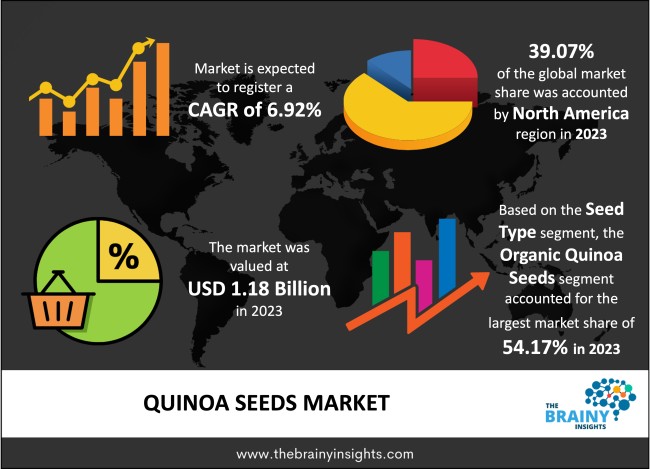
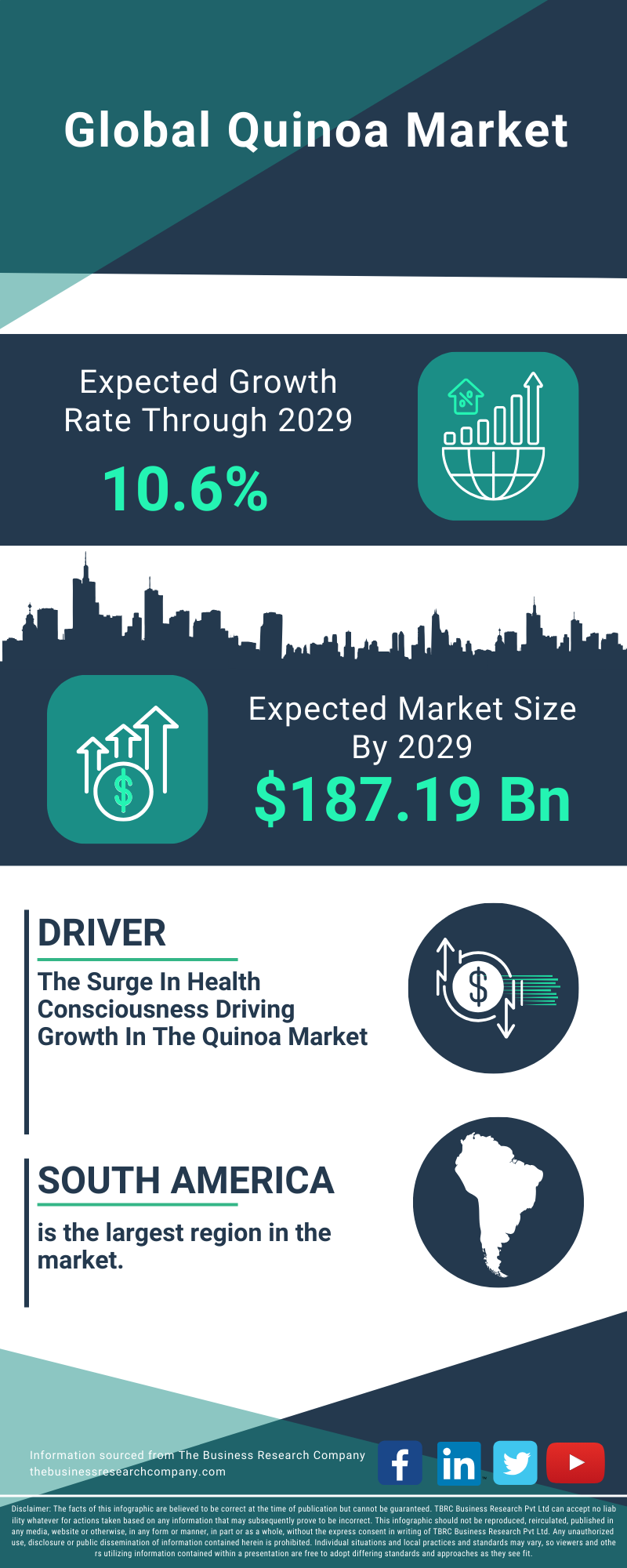
The demand is also driven by the growing awareness of gluten intolerance. More and more people are looking for gluten-free alternatives. And quinoa fits the bill perfectly.
But is the quinoa craze sustainable? That's the million-dollar question (or should we say, the million-quinoa-dollar question?).
The challenge is to balance the increasing demand with the needs of the communities that grow it. To ensure that quinoa remains accessible and affordable for everyone.
The Future of Quinoa: A Balancing Act
The future of quinoa depends on several factors. Sustainable farming practices are crucial. Fair trade agreements are essential. And consumer awareness is key.
We need to be mindful of where our quinoa comes from. To support farmers who are committed to ethical and sustainable practices. And to appreciate the rich history and cultural significance of this amazing grain.
Quinoa's journey from an obscure Andean staple to a global superfood is a fascinating story. A story of demand and supply, of economics and culture, of challenges and opportunities.
So, the next time you enjoy a bowl of quinoa, take a moment to think about its journey. To appreciate the farmers who grew it. And to savor the deliciousness of this tiny, mighty grain.
Who knew talking about demand and supply could be so... appetizing?