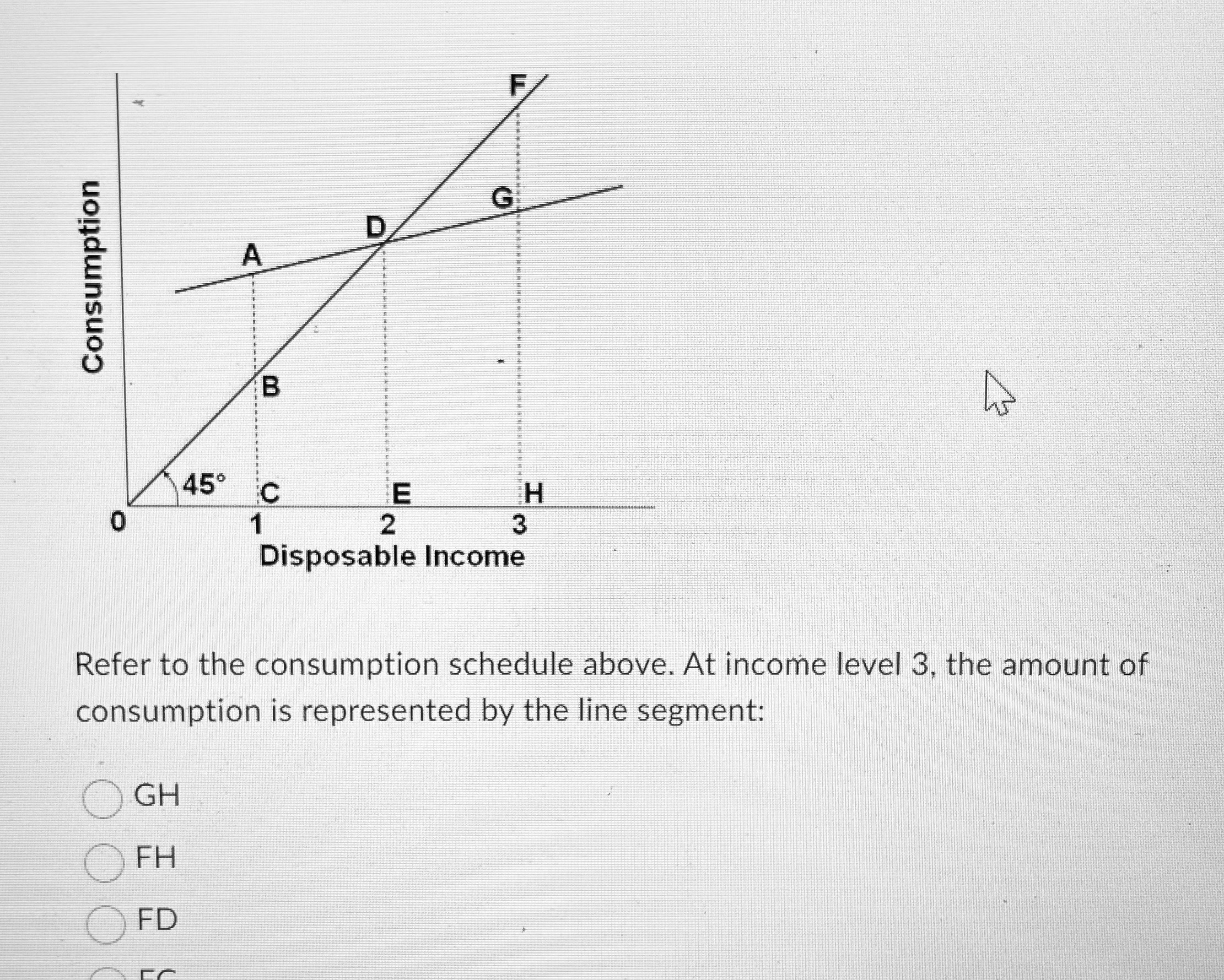
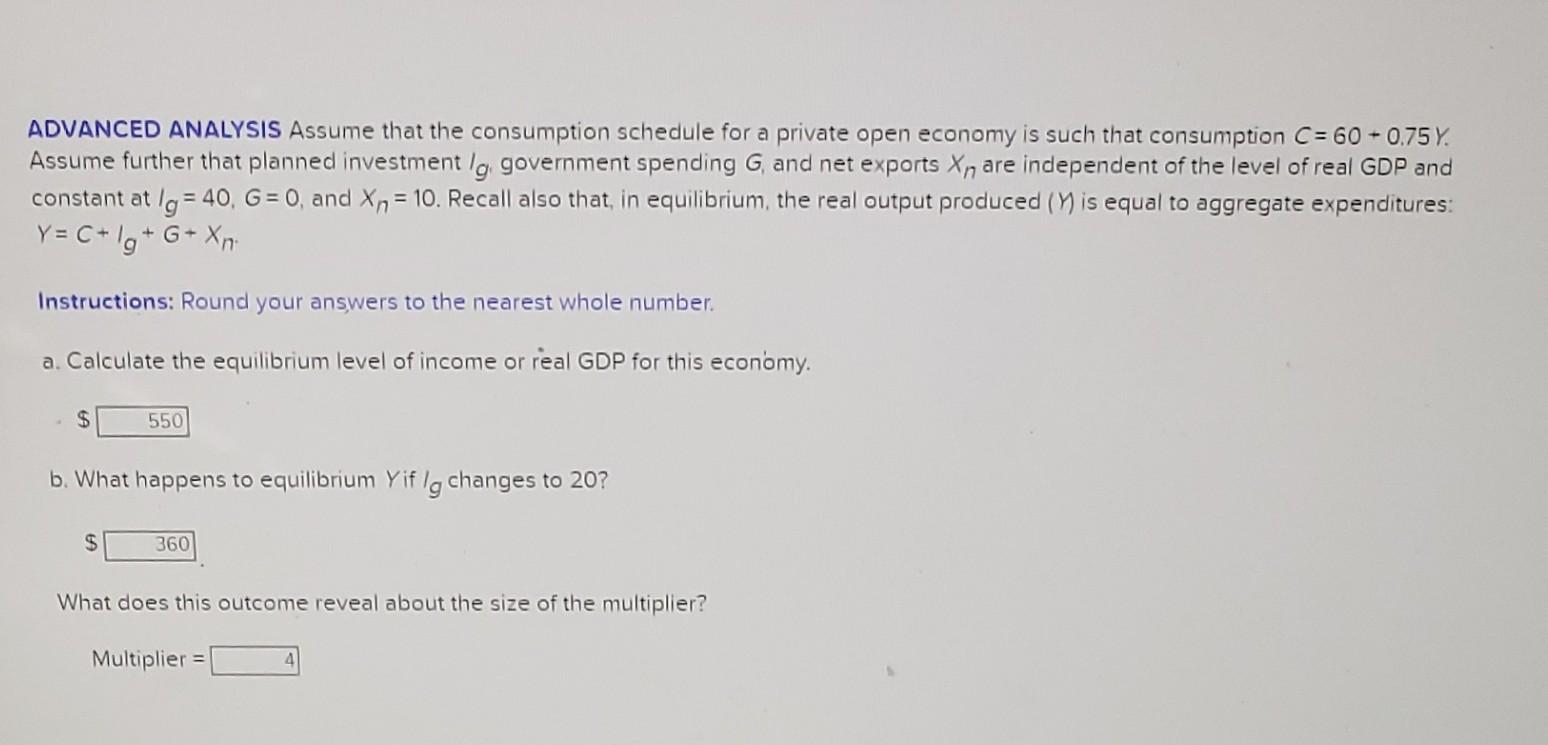
The Consumption Schedule Is Such That

Ever wonder why you suddenly feel like you need that limited-edition spatula shaped like a unicorn, even though you already have, like, five perfectly good spatulas? Or why you suddenly must have the latest phone with a camera that can probably photograph dust mites on Mars? That, my friends, is the consumption schedule at play. It's basically a fancy economic term for how much of stuff, things, and experiences you want to buy at different income levels.
Think of it like this: remember being a student, ramen noodles and hand-me-down clothes were the peak of luxury? You were happy if your shoes didn’t have holes and if your internet could stream Netflix… mostly. Your consumption schedule was, shall we say, frugal. But now, maybe you have a "real" job. Suddenly, ramen is "ironically" enjoyed at hipster restaurants (at ten times the price!), and those hand-me-down clothes? Yeah, those are going to the thrift store to make room for… well, more clothes. Your consumption schedule has shifted gears.
The "More Money, More Problems…and More Stuff" Phenomenon
Economists like to make graphs and equations about this stuff, but let's be real. It's pretty obvious. As your income goes up, so does your spending. It's not necessarily about being greedy; it's often about having the ability to afford things you previously only dreamed about. It's that "treat yo' self" mentality, but instead of a single spa day, it becomes a slightly-more-frequent occurrence.
Must Read
Imagine your salary suddenly doubled (hey, we can dream!). Would you immediately invest every single penny? Probably not. You might pay off some debt (sensible you!), but you'd also likely allow yourself a few little indulgences. Maybe a nicer car, a vacation that doesn't involve sleeping on your cousin's floor, or a subscription to that artisanal cheese-of-the-month club you've been eyeing. That's your consumption schedule flexing its newfound financial muscles.
The tricky part? Our consumption schedule doesn't always increase at a consistent rate with our income. There are times when we might actually save more, even with higher earnings, because we're planning for the future (retirement, that unicorn sanctuary, etc.).
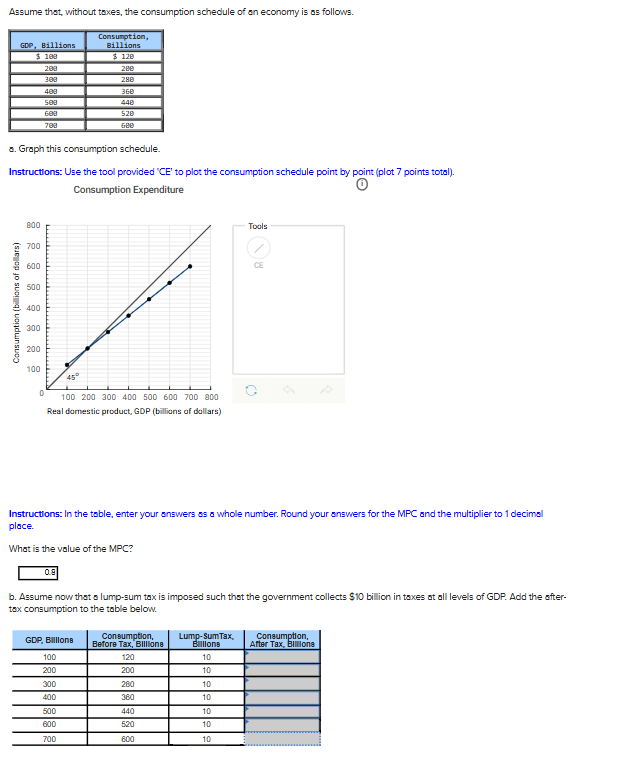
Keeping Up With the Joneses (and Their Jet Skis)
Then there's the social aspect. We're all influenced by what we see around us. If your neighbor gets a brand-new BBQ grill the size of a small car, you might start feeling a twinge of grill envy. Suddenly, your perfectly functional, slightly-rusted grill seems… inadequate. And so, the consumption cycle continues.
This is where it gets dicey. Trying to keep up with a consumption schedule that's beyond your means can lead to debt and stress. It's like trying to wear shoes that are two sizes too small; it might look good for a minute, but it's going to hurt in the long run.

So, What's the Takeaway?
Understanding your own consumption schedule isn't about judging yourself for wanting nice things. It's about being aware of how your income influences your spending habits. Are you making conscious choices about where your money goes, or are you just reacting to the latest trends and keeping up with the neighbors?
Think of your consumption schedule as a map. You want to be the one holding the map, guiding your spending towards your goals, not the other way around. Maybe you do want that unicorn spatula (no judgement!). But before you buy it, ask yourself: is this a conscious choice that brings me joy, or am I just being swayed by the siren song of consumerism?
The key is balance. Enjoy the fruits of your labor, but also remember to save, invest, and prioritize experiences over things. Because, let's be honest, memories of that amazing trip you took will last a lot longer than the fleeting thrill of that limited-edition spatula (even if it is shaped like a unicorn).