
The Alternator Output Current Is Produced In The
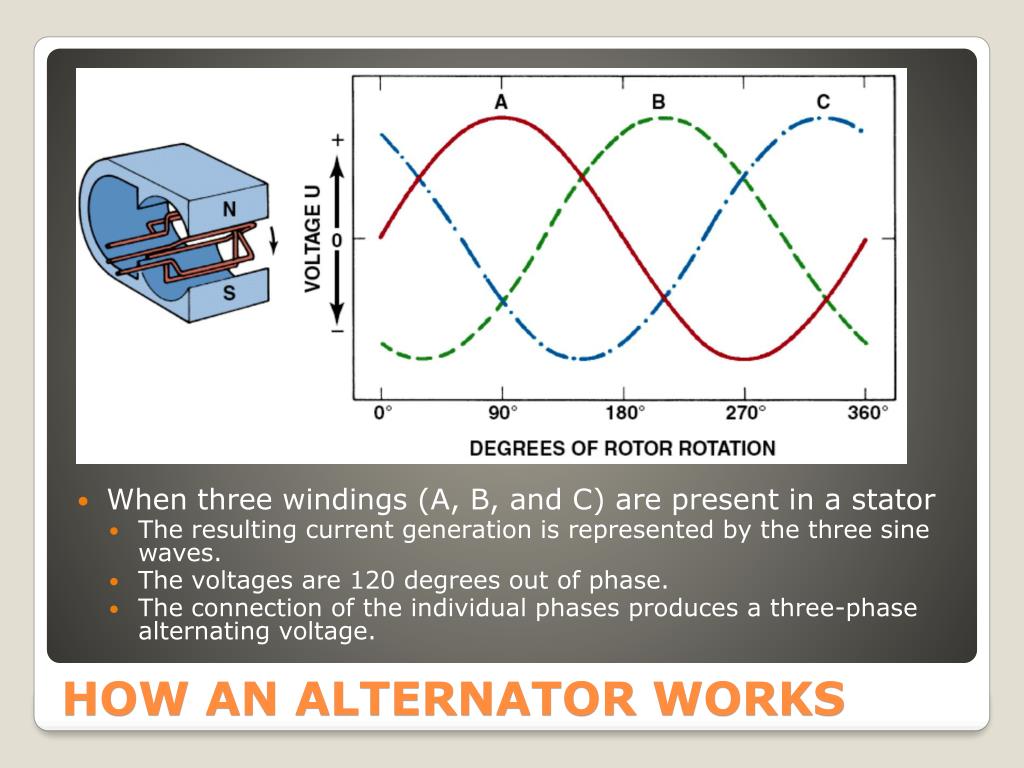
Ever wonder where the magic comes from that keeps your car's lights shining bright, your radio blasting your favorite tunes, and your GPS guiding you on your epic road trip? It all boils down to one incredibly important component: the alternator!
And where, oh where, does the output current of this marvelous machine originate? Let's dive in and unravel this mystery, shall we?
The Heart of the Matter: Stator Windings
Okay, so imagine you're at a rock concert, and the stage is filled with swirling lights and powerful speakers. Now, picture the alternator as the engine driving that entire performance. Ready for the secret?
Must Read
The output current is born within the stator windings. Think of them as the very soul of the alternator, where the electrical party truly gets started!
What Exactly Are Stator Windings?
These aren't just any old wires. Oh no! They're carefully crafted coils of copper wire, meticulously arranged to form a stationary part of the alternator. They are perfectly still.
These windings are strategically positioned to interact with a rotating magnetic field, which is where the real magic occurs. Think of them as tiny antennae, eager to catch all the electrifying energy floating by!
These windings are the key ingredient in generating the electrical power that your car craves.
The Rotating Rotor: A Magnetic Marvel
Now, we can't talk about the stator windings without giving a huge shoutout to their partner in crime: the rotor. The rotor spins around, creating the needed magnetic field.
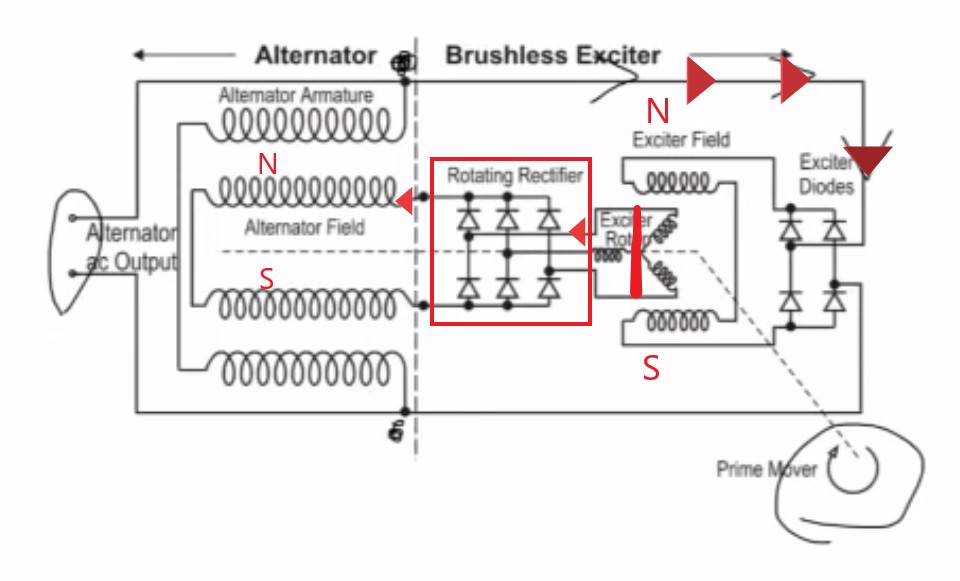
The rotor is essentially a rotating electromagnet that's driven by the engine. It spins and creates a dance of magnetic fields.
As the rotor spins, its magnetic field sweeps across the stator windings. It's like a conductor waving their baton, orchestrating the generation of electricity!
Electromagnetic Induction: The Magic Trick
This is where things get a little sciency, but trust me, it's still super cool! The fundamental principle at play here is something called electromagnetic induction.
Basically, when a conductor (like the stator windings) is exposed to a changing magnetic field (created by the spinning rotor), it induces a voltage within that conductor. And remember voltage?
This voltage, in turn, drives the flow of electrons, which is what we know as electrical current. It's like magic, but with science!
Voltage is key!
Think of voltage like the pressure in a water pipe. The more pressure, the faster the water flows. Now let us get back to induction.

Therefore, the spinning magnetic field 'induces' (creates) voltage and this voltage creates our desired current.
So, in short, the rotating magnetic field of the rotor induces a voltage within the stator windings, leading to the flow of current.
The Current Flows: Powering Your Ride
And that, my friends, is how the output current of the alternator is born. The stator windings serve as the birthplace of the electricity, thanks to the ingenious dance of magnetism and induction.
This electrical current is then channeled out of the alternator and sent on its merry way to power all the electrical components in your car. It keeps your engine going!
From your headlights to your air conditioner, your car relies on this constant stream of electricity to function smoothly.
Rectification: Taming the AC Beast
Now, there's one more crucial step in this process. The electricity generated in the stator windings is initially in the form of alternating current (AC).
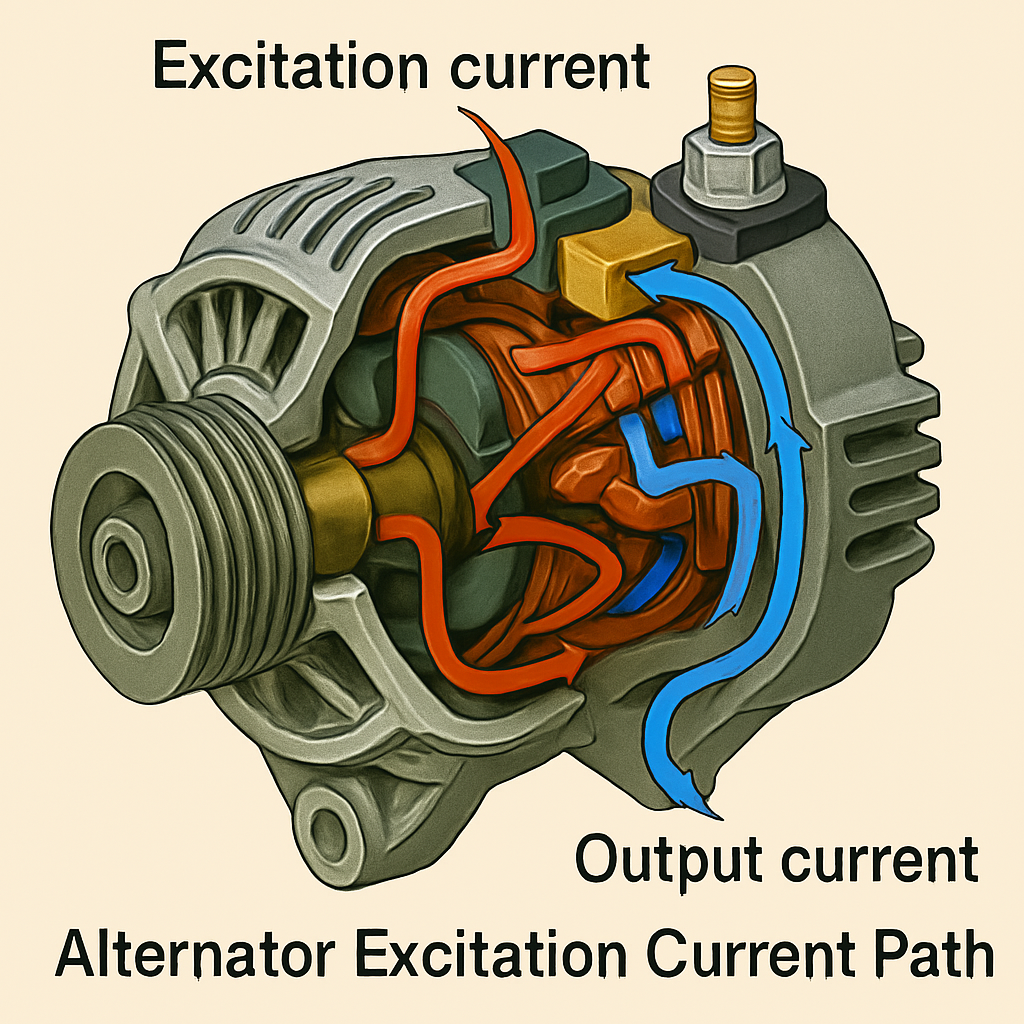
However, most of the electrical components in your car require direct current (DC) to operate. Hence, the alternator contains a set of devices called diodes.
These diodes act like one-way valves, allowing the current to flow in only one direction, effectively converting the AC to DC. It is a electrical traffic controller.
Diodes as electrical traffic controller
Think of it as a traffic controller making sure everyone is going in the same direction. This rectification process ensures that the electricity is compatible with your car's electrical systems.
Essentially, they're the unsung heroes of the alternator, ensuring a smooth and consistent flow of power to your car's components.
So next time you drive your car, remember to be thankful for the diodes because without them, your car could have problems!
A Symphony of Parts Working Together
The alternator is a truly remarkable piece of engineering, a symphony of carefully designed parts working in perfect harmony. The rotor, the stator windings, the diodes, and many other components come together to generate the electricity that powers your car.

The stator windings are where the real magic happens; it is where the electrical current comes from! Next time you pop the hood of your car, give the alternator a nod of appreciation.
It's a testament to human ingenuity and our relentless pursuit of making life on the road a little bit easier and more enjoyable!
In Conclusion: The Stator's Starring Role
So, there you have it! The output current of the alternator is proudly produced in the stator windings.
It is also the amazing intersection of magnetism, induction, and clever engineering that keeps your car's electrical system humming along.
Now go forth and impress your friends with your newfound knowledge of the alternator's inner workings! You're officially an electrical guru!
"The stator windings are like the rockstars of the alternator, always ready to put on a show!"
Remember to always consult a qualified mechanic for any car repairs or maintenance. This article is intended for educational purposes only, and should not be taken as professional advice.