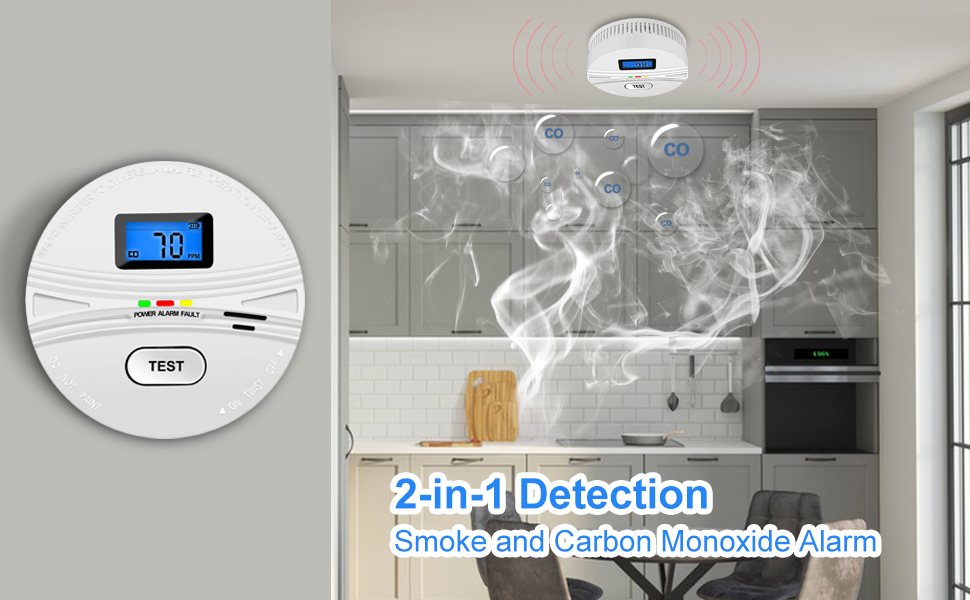
Test Button On Carbon Monoxide Detector
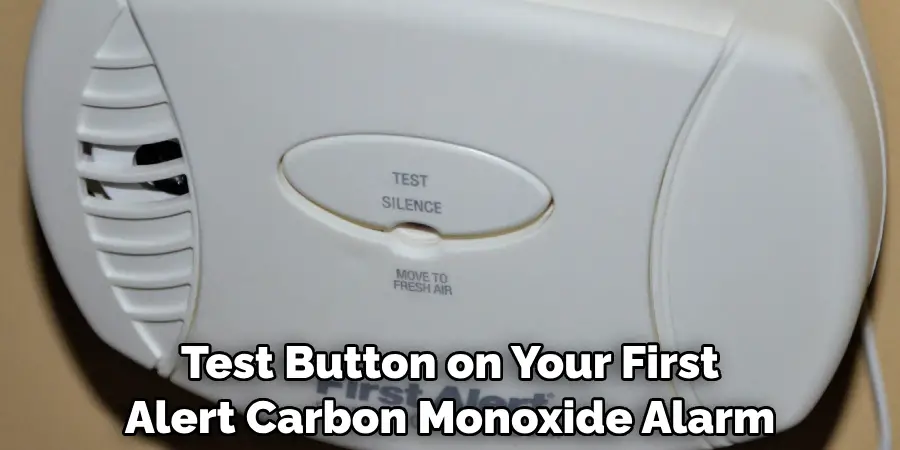
Ah, the little red or white button. Perhaps you’ve pressed it out of curiosity, or maybe it’s part of a diligent safety routine. We're talking, of course, about the humble test button on your carbon monoxide detector. It might not be as glamorous as a smart home assistant or as thrilling as a new gadget, but there's a certain quiet satisfaction that comes from pressing that button and hearing that distinct, often startling, chirp. It’s a moment of empowerment, a small affirmation that in a world full of unknowns, at least one thing is reliably doing its job: keeping you safe.
Think of it as your home's personal "all systems go" check. When you press that button, you’re not just making noise; you’re performing a vital diagnostic. The primary benefit and purpose of this simple act is to confirm the operational integrity of your carbon monoxide detector. This silent guardian, tasked with detecting an invisible, odorless, and deadly gas, needs to be in tip-top shape. The test button ensures that the internal circuitry is powered, the sensor is responsive (at least to a simulated test), and most importantly, that the alarm mechanism itself is loud and clear enough to wake you from a deep sleep or alert you when you're awake. It’s your tangible link to an otherwise imperceptible defense system, ensuring that when the real threat emerges, your device won't fail you.
So, when do people typically engage in this small act of domestic vigilance? Common examples abound. You'll likely press it immediately after installing a brand-new unit, just to make sure it's alive and kicking. It's also a crucial step after you've changed the batteries – because what's the point of fresh power if the alarm itself isn't working? Many people integrate it into a monthly or quarterly home maintenance routine, perhaps alongside changing air filters or checking smoke detectors. It's a quick, simple check before leaving for an extended vacation, offering peace of mind while you’re away, or upon returning home. Some simply give it a prod when they're feeling a little anxious about home safety, finding comfort in the loud, clear signal.
Must Read
Now, how can you "enjoy" this essential safety check more effectively? First, make it a habit. Pick a specific day each month, say the first Sunday, and stick to it. This consistency ensures your detectors are always ready. Second, involve the whole family! Teach children what the sound means and why it's important, turning it into a brief, educational moment about home safety. Third, don't just press and forget; actually listen carefully. Is the sound robust? Does it seem weaker than usual? Is it different from the low-battery chirp (which typically presents as a single, infrequent beep)? Fourth, remember that the test button only confirms the alarm and some internal electronics; it doesn't fully test the sensor’s ability to detect actual CO gas. For that, you rely on the detector's lifespan (typically 5-10 years, check your manual!) and proper placement. Finally, always have spare batteries on hand for battery-powered units, and replace them annually, even if they haven't "died" yet. By understanding and utilizing that tiny button, you're not just making noise; you're actively participating in the vital safety of your home and loved ones, making that momentary chirp a truly reassuring sound.