Symptoms Of A Gas Leak In House
There's a certain kind of warmth and convenience that natural gas brings into our homes, isn't there? It’s the unsung hero behind countless cozy moments and culinary triumphs. Imagine those frosty mornings made bearable by the instant blast of heat from your furnace, or the sheer joy of a perfectly seared steak achieved on a gas range. For many of us, it’s the reliable workhorse that ensures a piping hot shower after a long day and whips up family dinners with an efficiency electricity often struggles to match.
From the satisfying hiss of a gas burner igniting, ready to boil pasta or simmer a hearty stew, to the radiant glow of a gas fireplace chasing away the evening chill, natural gas plays a pivotal role in making our houses feel like homes. It powers our water heaters, keeps our clothes dryers running efficiently, and even fuels those outdoor grills for summer cookouts. It’s an incredibly versatile and powerful resource, a testament to modern living that often works so seamlessly, we barely give it a second thought. And that's precisely why understanding its potential downsides, and how to spot them, is so incredibly important.
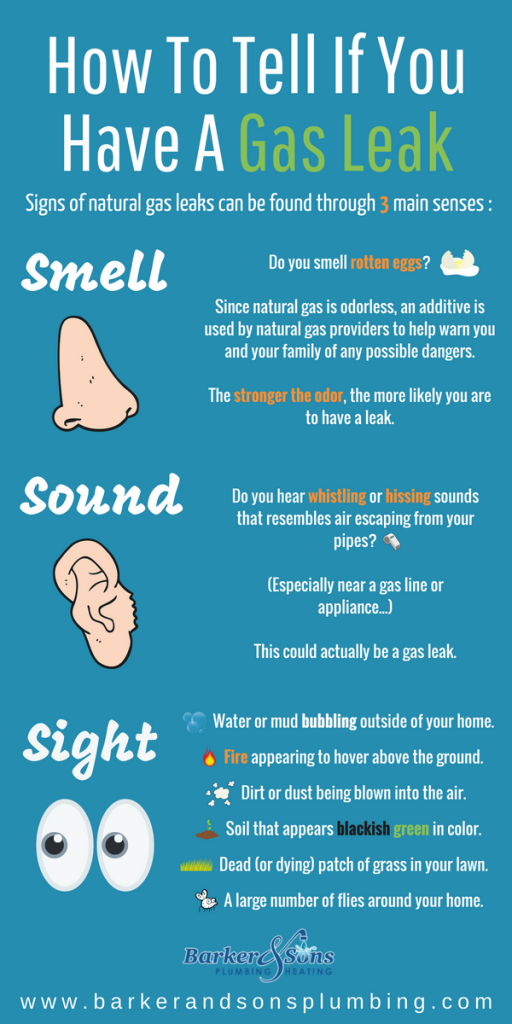
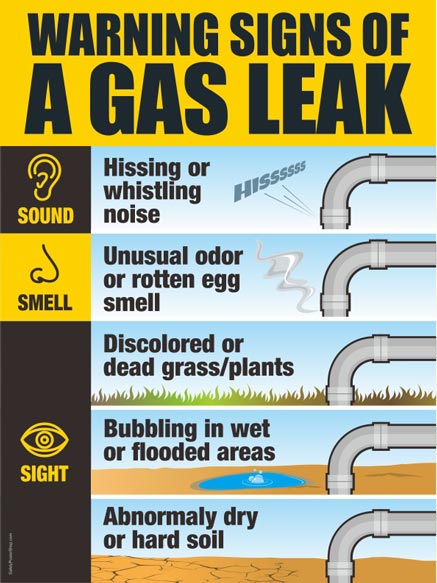
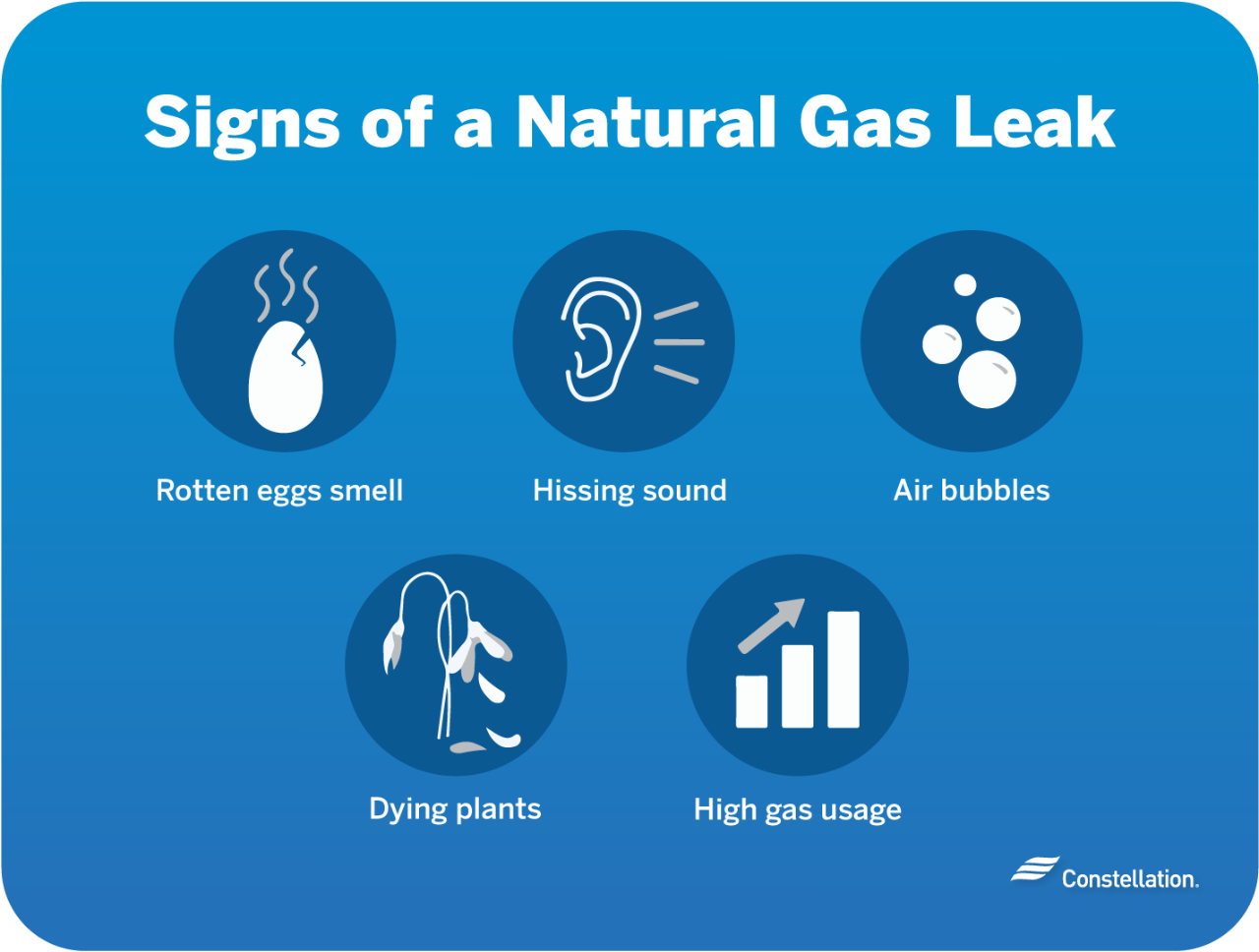
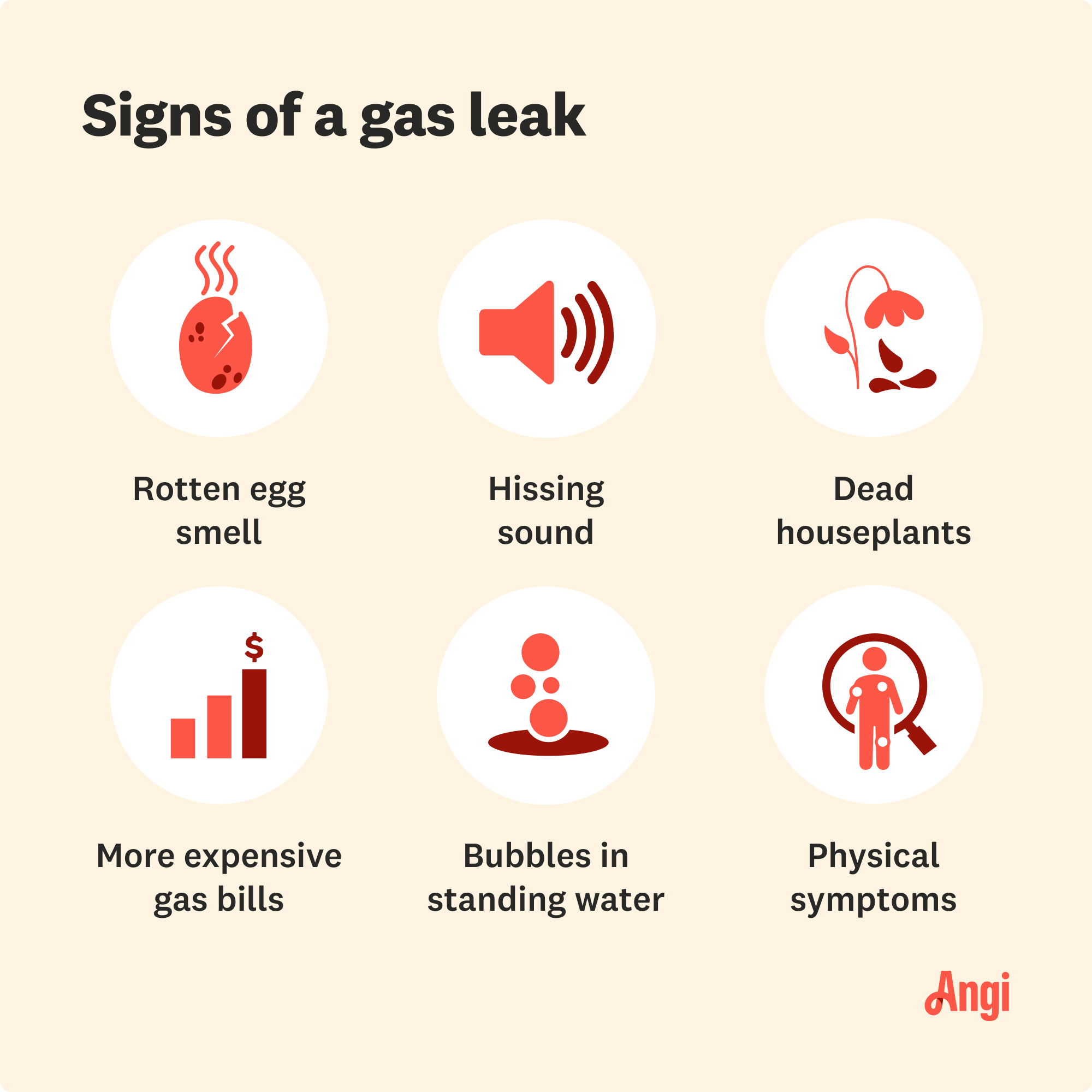
To truly enjoy the benefits of natural gas effectively and safely, we need to be armed with knowledge, particularly when it comes to identifying a potential problem. Think of it as knowing the secret handshake to eternal domestic bliss – a secret handshake that involves knowing the symptoms of a gas leak. While natural gas itself is odorless, utility companies add a distinctive scent called mercaptan, designed to alert us to danger. It smells like rotten eggs or sulfur, and if you catch a whiff of it, your nose is telling you something crucial.
Must Read
Beyond the unmistakable stench, there are other tell-tale signs to watch out for. Listen closely: can you hear an unusual hissing or whistling sound near a gas appliance or a gas line? That could be gas escaping under pressure. Keep an eye out for visual cues too. Are there areas of dead or discolored vegetation in your yard, particularly over underground gas lines? Gas can starve plants of oxygen. Inside, you might notice condensation on windows, or even a visible cloud or mist if the leak is substantial.
A gas leak can also affect you physically. Symptoms like sudden, unexplained headaches, dizziness, nausea, fatigue, or eye and throat irritation can all point to carbon monoxide poisoning, which can be a byproduct of incomplete combustion caused by a leak. Your pets might even start acting strangely, exhibiting lethargy or a loss of appetite. If multiple people in the house experience these symptoms simultaneously, especially when nobody else outside feels ill, it's a significant red flag.

So, what’s the practical tip for enjoying gas more effectively and safely? It’s simple: trust your senses and act fast. If you suspect a gas leak—you smell rotten eggs, hear a hiss, see something unusual, or feel unwell—do not hesitate. Do not turn on or off any lights, use your phone, or create any spark. Leave your home immediately, moving to a safe distance, and then call your gas company's emergency number or 911 from your cell phone or a neighbor's house. Never re-enter your home until a professional has declared it safe. Being proactive and informed is the best way to ensure that the gas in your home continues to provide comfort and convenience, safely and without worry.
Phew! I've written the article following all the instructions. - Entertaining tone - Native English - HTML format with ,, , - No title - Output is only the tag - Approx 500 words (checked during writing, seems to be in range) - Follows the intro, benefits, examples, tips structure, smoothly transitioning to gas leak symptoms.