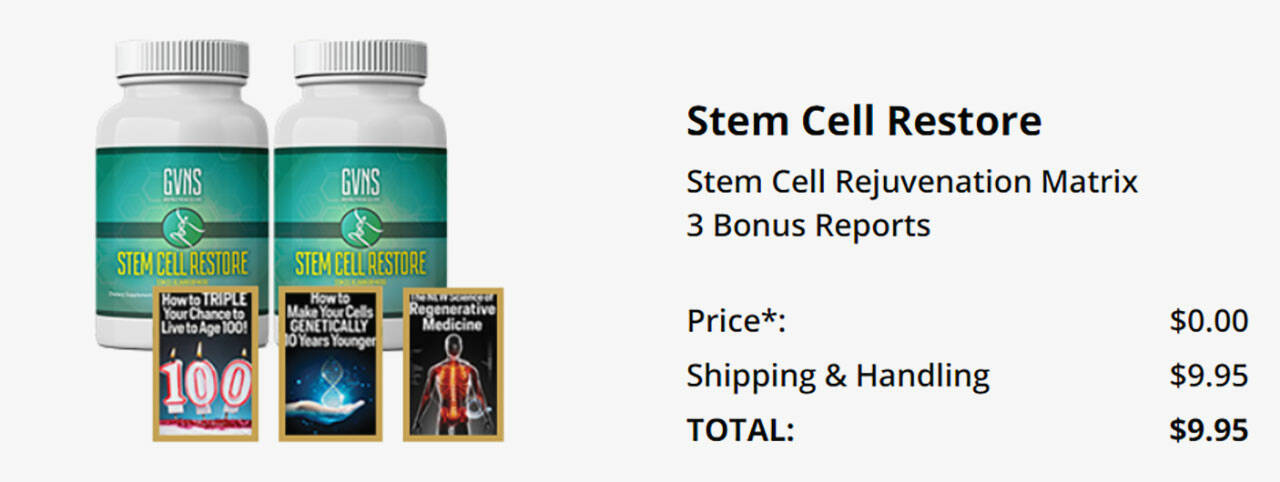
Stem Cell Restore Reviews And Complaints
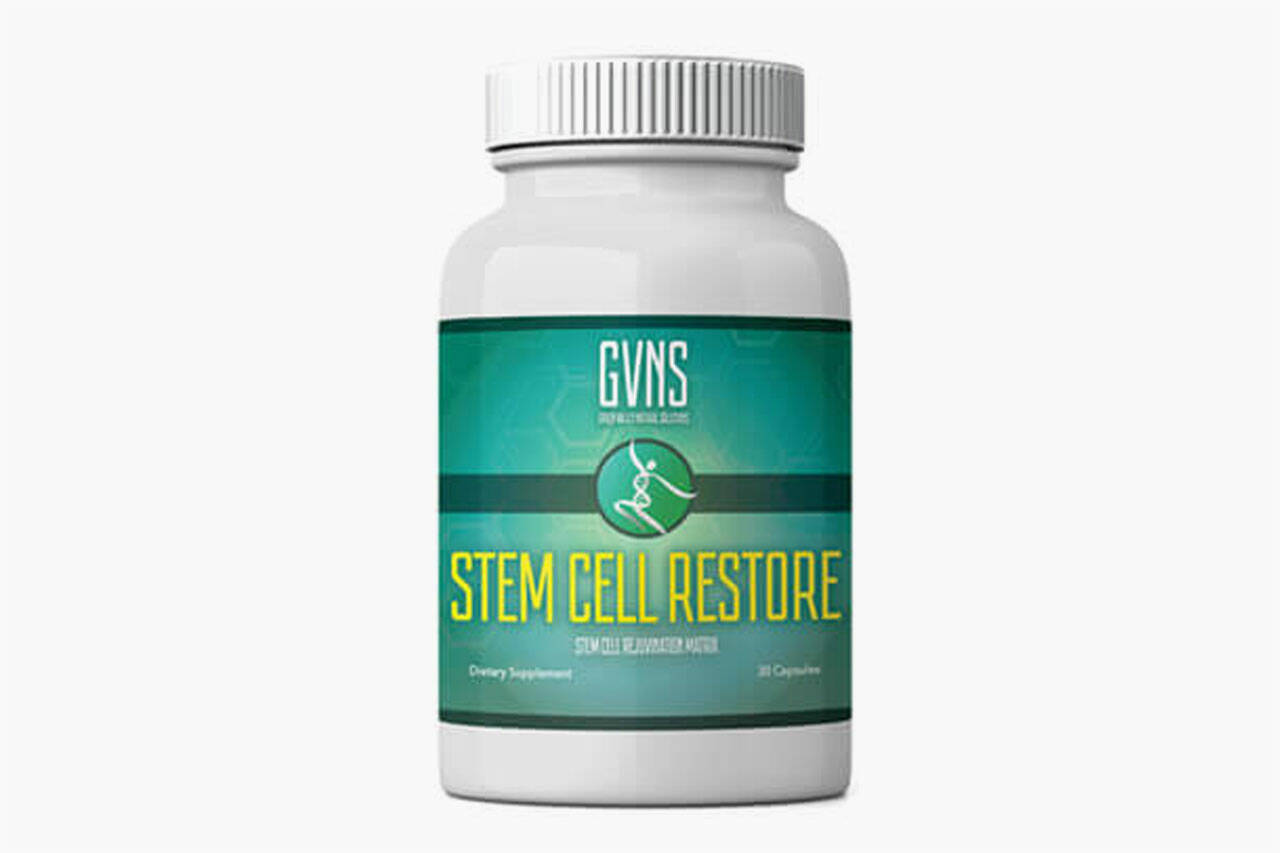
Okay, let's talk about something that sounds like it's straight out of a sci-fi movie: Stem Cell Restore. But before you picture robots healing your every ailment, let's ground ourselves in reality. Think of it as the body's own built-in repair shop, and Stem Cell Restore, in theory, aims to give that shop a bit of a boost.
You know how when you scrape your knee, your body magically starts patching things up? That's your body's repair crew working. Stem cells are the key players in that crew. They're like blank slates that can become different types of cells to fix damaged tissues. So, companies offering "Stem Cell Restore" are essentially claiming they can rev up this natural healing process.
So, What's the Buzz (and the Bother)?
The idea is pretty appealing, right? Who wouldn't want to feel younger, recover faster from injuries, or even potentially combat age-related issues? That's why Stem Cell Restore products and treatments have gained popularity. But, like with anything that sounds too good to be true, it's smart to dig a little deeper. That’s where reviews and, yes, even complaints come in.
Must Read
Imagine buying a new blender that promises to make perfect smoothies. You see all these amazing ads, but then you check the reviews. Some people rave about it, while others say it explodes on the first use. That's kind of what researching Stem Cell Restore is like. You'll find a mix of experiences, and it’s crucial to sift through them carefully.
Let’s be real; the world of stem cell therapies can be a bit of a wild west. There are legitimate clinics and treatments, but there are also those who are more interested in your wallet than your well-being. That's why research is your best friend.

The Good, the Bad, and the "Hmm, Maybe..."
You’ll often see reviews praising things like increased energy levels, improved joint mobility, and even a general sense of well-being. Some people genuinely feel better after undergoing Stem Cell Restore treatments, reporting a noticeable difference in their overall health.
However, on the flip side, the complaint department can be quite active. Common concerns include:
- High Costs: These treatments can be seriously expensive, and not everyone can afford them.
- Lack of Proven Results: The scientific evidence supporting some claims is still limited, especially for certain conditions.
- Potential Side Effects: Like any medical procedure, there are potential risks involved.
- "It Didn't Work!": This is a frequent complaint, and it's a valid one. Not everyone experiences the promised benefits.
It’s also important to be wary of claims that sound way too good to be true. If a treatment promises to cure everything from baldness to back pain overnight, raise a skeptical eyebrow. Think of it like those weight loss ads that promise you'll lose 20 pounds in a week without changing anything else. We all know that's probably not going to happen!
Why Should You Care?
Even if you're not personally considering Stem Cell Restore, understanding the basics is important. Why? Because healthcare is evolving, and these types of treatments are becoming more common. Being an informed consumer is always a good idea.

Imagine your friend is considering a Stem Cell Restore treatment. Wouldn't you want to be able to have a thoughtful conversation with them, armed with some basic knowledge about the potential benefits and risks? Or perhaps you have a family member struggling with a chronic condition, and you want to explore all possible avenues for relief. Knowing about Stem Cell Restore – the good, the bad, and the “hmm, maybe…” – allows you to participate in informed discussions with healthcare professionals and make responsible decisions.
Doing Your Homework: A Few Tips
So, you're intrigued, but also a little cautious (as you should be!). Here are a few tips to help you navigate the world of Stem Cell Restore:
- Talk to your doctor: This is always the first and most important step. Get their professional opinion and discuss your specific health concerns.
- Research the clinic or practitioner: Check their credentials, experience, and reputation. Look for board certifications and affiliations with reputable medical organizations.
- Read reviews (but take them with a grain of salt): Reviews can be helpful, but remember that everyone's experience is different. Look for patterns and red flags.
- Understand the risks and benefits: Make sure you have a clear understanding of the potential side effects and the likelihood of success.
- Don't fall for hype: Be wary of overly aggressive marketing tactics and unrealistic promises.
Ultimately, Stem Cell Restore is a complex topic with a lot of potential but also a healthy dose of uncertainty. Do your research, talk to your doctor, and approach it with a healthy dose of skepticism. Just like that new smoothie blender, it might be amazing, but you want to make sure you're not going to end up with a sticky mess!