States That Do Not Participate In Daylight Savings

Ah, Daylight Saving Time (DST). That twice-yearly ritual where we gleefully (or grudgingly) spring forward, surrendering an hour of precious sleep in exchange for more sunlight later in the day. For many, it’s a welcome sign of warmer weather, longer evenings perfect for backyard barbecues, and an extra dose of vitamin D after a long winter. We relish the opportunity to squeeze more activities into our post-work hours, feeling like we’ve somehow unlocked a bonus hour in our day.
The primary purpose of DST is to conserve energy. The idea, initially proposed by Benjamin Franklin (yes, that Benjamin Franklin!), is that by shifting our clocks forward, we align our waking hours more closely with daylight hours. This reduces our reliance on artificial lighting, theoretically leading to lower electricity consumption. While the actual energy savings are debated and vary depending on location and usage patterns, the concept remains the foundation of DST.
Beyond energy conservation, DST also aims to boost retail sales and recreational activities. With more daylight in the evening, people are more likely to shop, dine out, or participate in outdoor activities. Think of those summer evenings spent at the park, walking the dog, or simply enjoying a sunset cocktail on your patio – DST makes those moments even more appealing. It's applied throughout much of the United States, and is also common in other countries such as Canada, and parts of Europe. The exact dates of implementation vary depending on the region's regulations.
Must Read
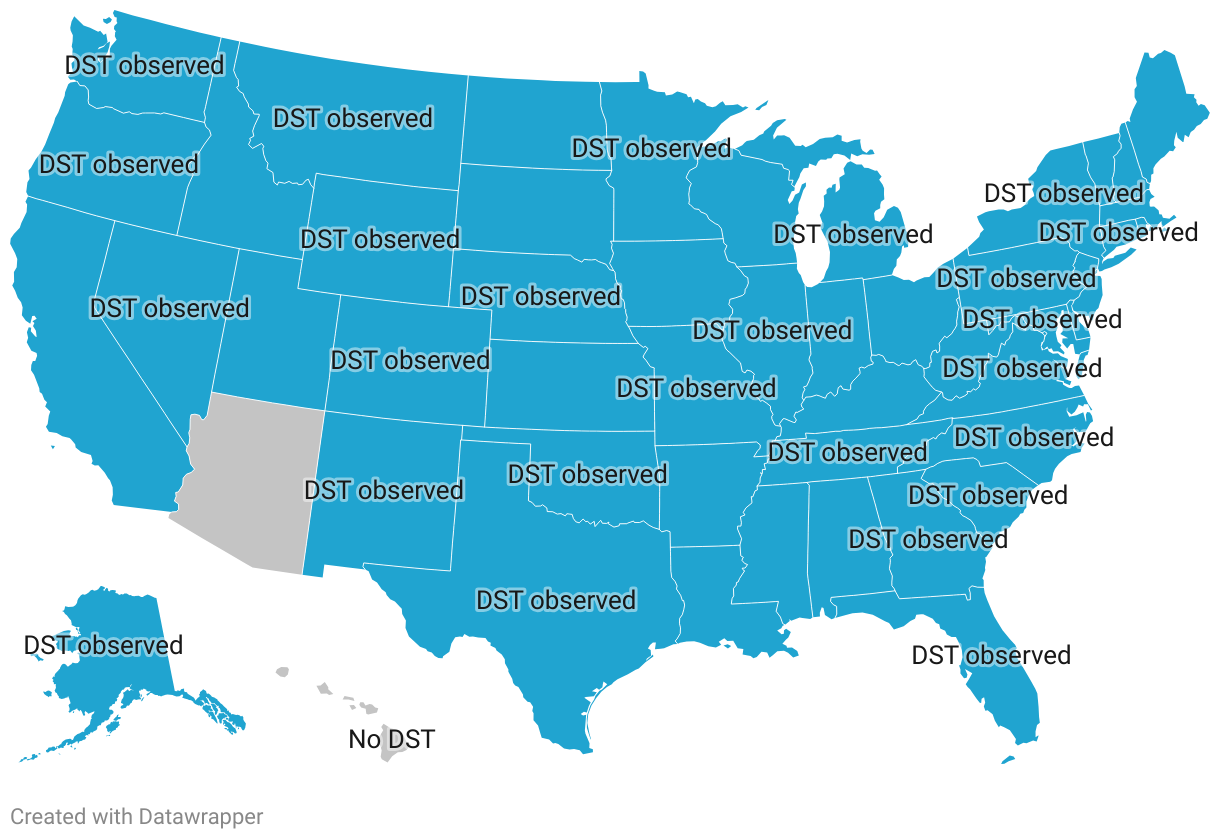
But not everyone jumps for joy at the thought of “springing forward.” In fact, there are a few states that have opted out of the DST game altogether. We're talking about the steadfast souls of Arizona (with the exception of the Navajo Nation) and Hawaii. These states, along with the US territories of Puerto Rico, Guam, the Northern Mariana Islands, and the US Virgin Islands, march to the beat of their own (standard) time.
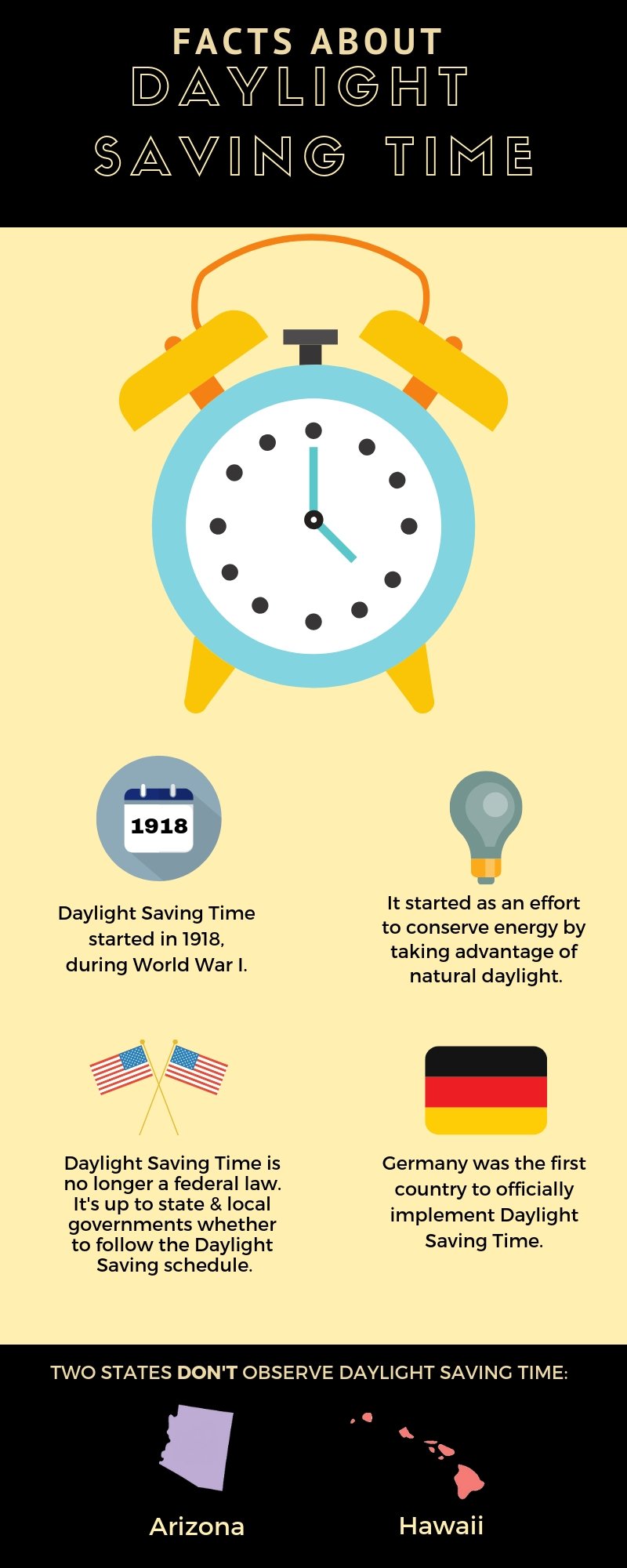
So, why do these places buck the trend? Well, the reasons vary. In Arizona, the intense summer heat means that residents prefer cooler mornings, which are achieved by staying on standard time year-round. In Hawaii, its proximity to the equator means that daylight hours are relatively consistent throughout the year, rendering the need for DST less compelling. For these regions, the perceived benefits of DST simply don't outweigh the potential drawbacks, such as disruptions to sleep schedules and potential negative impacts on health.
If you live in a DST state, and find it disruptive, here are a few tips to enjoy it more effectively. Start adjusting your sleep schedule a few days before the change. Go to bed and wake up 15-20 minutes earlier each day. Maximize your exposure to natural light during the day to help regulate your circadian rhythm. And most importantly, be patient with yourself as your body adapts to the new time. While the debate over DST's merits continues, one thing is certain: the sun will continue to rise and set, regardless of what the clock says!