
State Tax In Texas On Income
Hey there, friend! Grab a mug, settle in. We need to chat about something that usually makes eyes glaze over faster than a math lesson on a Monday morning: taxes. Ugh, I know, right? But stick with me, because this isn't just any tax talk. This is about Texas taxes, specifically the one that often makes people do a double-take when they hear about it. Or maybe it's just me?
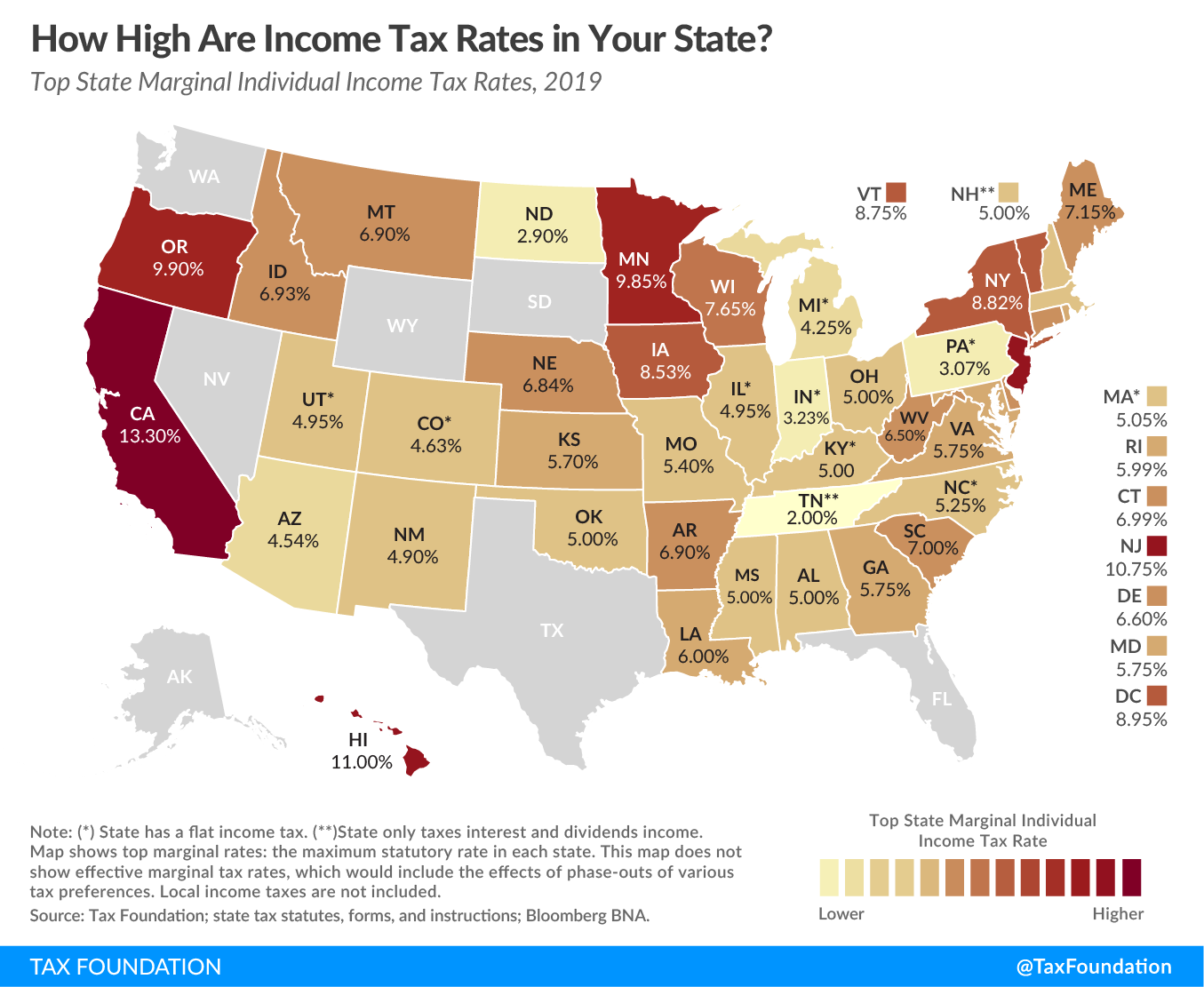
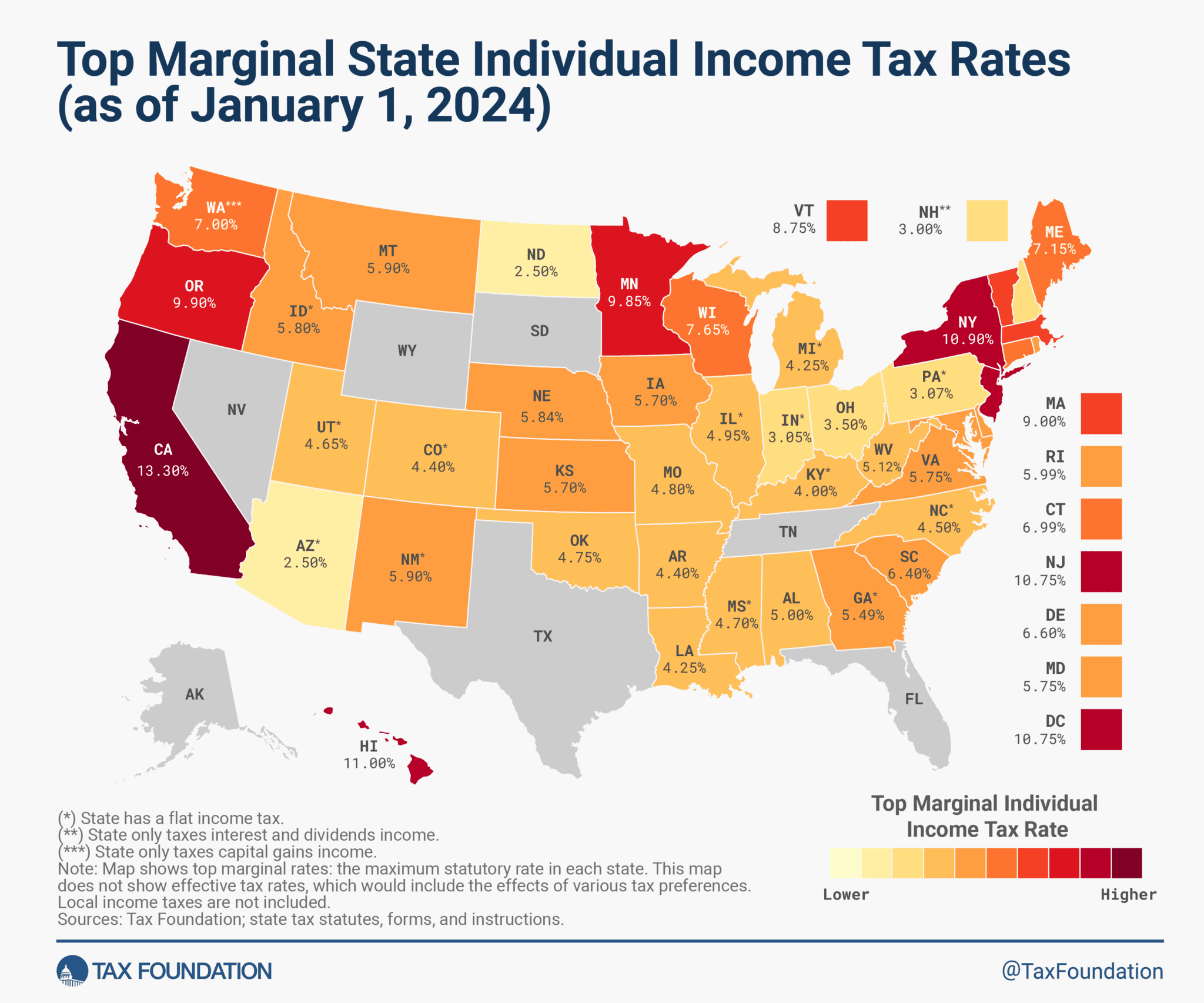
So, picture this: You get your paycheck. You glance at it, maybe squint a little. And then you see it. That beautiful, glorious line item... or rather, the lack of one. We're talking about a state tax on your income here in the Lone Star State. And guess what? Spoiler alert, but also, like, the entire point of this conversation: Texas has NO state income tax.
Seriously, No State Income Tax?
Yep, you heard that right! It's not a trick, not a typo, and certainly not a dream (unless you dream about tax forms, which, bless your heart). When you live and work in Texas, your hard-earned dollars aren't getting a slice taken out for a state income tax before they even hit your bank account. Pretty neat, huh?
Must Read
Think about it. In many other states, you've got federal income tax (because, you know, Uncle Sam always gets his share) AND then a separate state income tax. It's like a double-whammy to your wallet. But here in Texas? It's just the federal guys doing their thing. Your state paycheck feels... well, it just feels fuller. Like when you order a giant sweet tea and they actually fill it all the way to the brim.
Now, before you pack your bags and start planning your move to Texas purely for the tax breaks (though, honestly, it's a pretty good reason!), let's keep it real. Nothing in life is truly free, right? And the absence of a state income tax doesn't mean Texas is just giving money away willy-nilly. The state still needs to fund its schools, roads, and all the other important stuff that makes a state run. So, how do they do it?
The Texas Trade-Off: Property and Sales Taxes
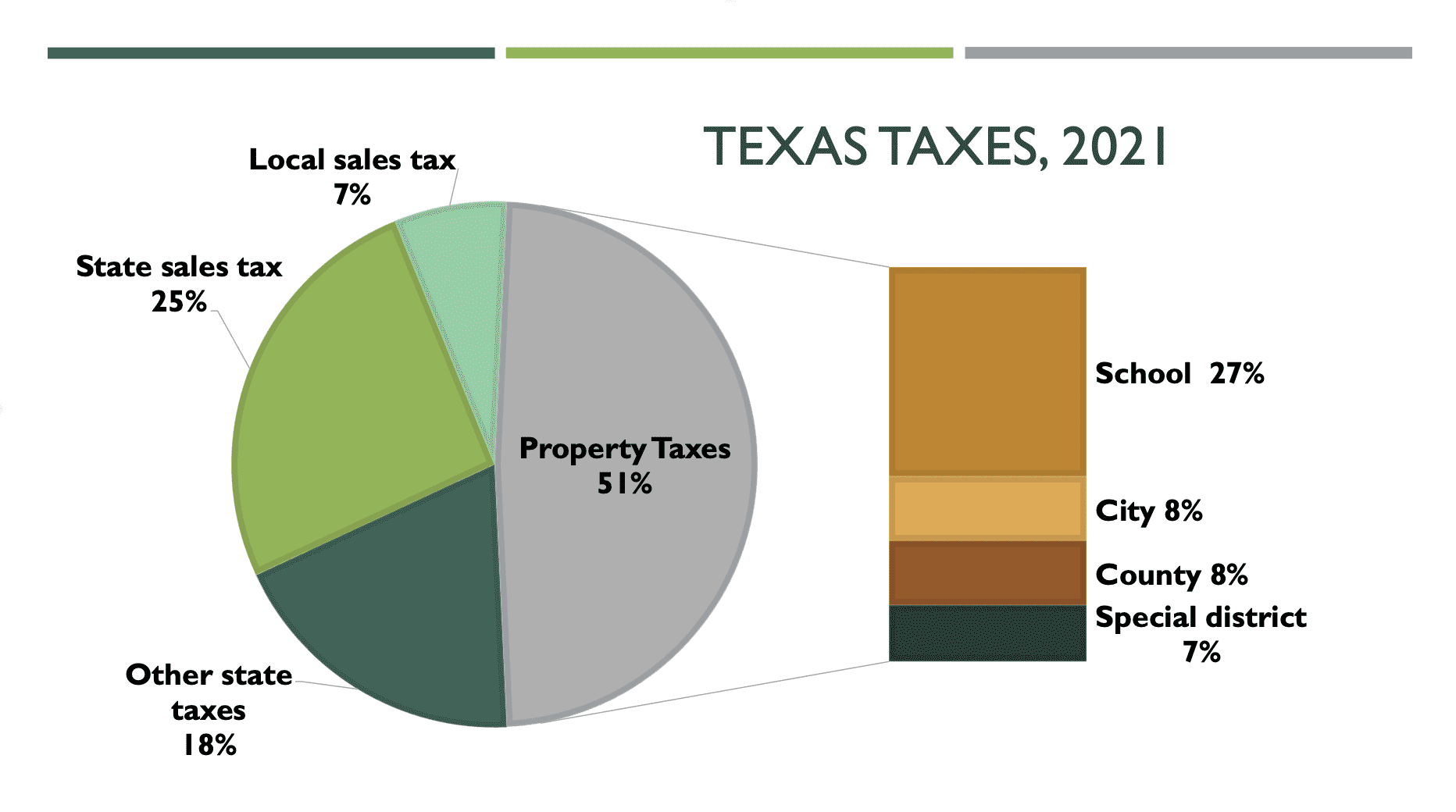
Alright, time for the asterisk. The big one. Because while we cheer about not having an income tax, Texans do face other avenues where the state (and local entities) collects revenue. We're talking primarily about property taxes and sales taxes.
Yeah, property taxes can be a bit of a spicy meatball around here. If you own a home in Texas, you'll notice those property tax bills. They can be pretty significant, especially in booming areas. It's how local governments fund schools, fire departments, and all sorts of municipal services. So, while your paycheck might feel fatter, your mortgage payment (which often includes escrow for property taxes) might feel a bit more... robust.
And then there's sales tax. Every time you buy something – that new pair of boots, groceries (mostly), a coffee, a giant sweet tea – you're paying sales tax. The statewide rate is 6.25%, but most cities and counties add their own slice, pushing it up to 8.25% in many places. It adds up, especially if you're a keen shopper (guilty as charged!).
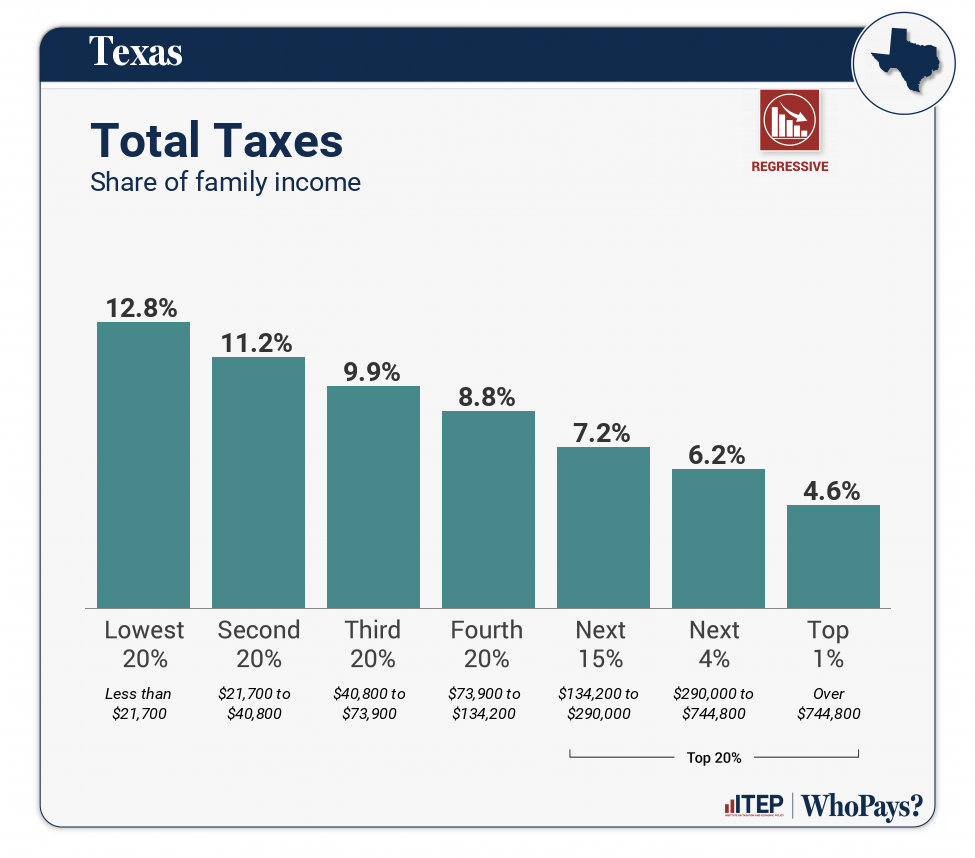
So, it's not like Texas is a tax-free paradise. It's more like a strategic redirect. Instead of taking a chunk from your income every pay period, they get their piece when you spend money or own property. Different strokes for different folks, right?
Why Does It Matter? The Take-Home Pay Advantage
But let's circle back to that beautiful paycheck. For many, the lack of a state income tax means more money in their pocket right now. It's immediate gratification, if you will. You have more control over your earnings from the get-go.
This can be a huge draw for businesses and individuals alike. Imagine having that extra percentage of your income to save, invest, pay down debt, or, let's be real, splurge on some really good BBQ. It offers a certain financial flexibility that's pretty darn appealing. It's one of the reasons Texas has seen such incredible growth, attracting people from all over the country. They come for the jobs, the culture, and yes, that sweet, sweet lack of state income tax.
It means a higher take-home pay compared to someone earning the exact same gross salary in a state like California or New York, where state income taxes can be quite high. Of course, the cost of living varies wildly too, so it's never a one-to-one comparison. But purely looking at the income tax line, Texas definitely stands out.
So, What's the Verdict?
Is Texas a tax haven? Not quite. But is the absence of a state income tax a massive perk? Absolutely! It's a huge part of the Texas economic story and why so many people find living here financially attractive. You keep more of what you earn upfront, giving you more freedom to manage your money as you see fit.
So, next time you're chatting with a friend from out of state and they're grumbling about their state income tax, just give 'em a little wink and say, "Well, bless your heart. That's one thing we don't have to worry about down here." And then maybe offer them a giant sweet tea. They might just consider moving!
Cheers to keeping more of your hard-earned cash, Texas style!