Standard Vs Enhanced License Shutterstock
Let's face it, we're all visual creatures. Whether you're scrolling through social media, building a website, or designing a marketing campaign, captivating imagery is essential. It's the hook that grabs attention, tells a story, and leaves a lasting impression. That's where stock photos come in, and Shutterstock is one of the biggest players in the game.
Stock photos offer a fantastic solution for anyone needing professional-quality images without the hassle and expense of commissioning a photographer. They bridge the gap between needing a visual and having the resources to create one from scratch. Think about it: a small business owner can use a stunning image of a perfectly brewed coffee for their website without investing in expensive equipment and a professional photoshoot. Or a blogger can illustrate a travel article with breathtaking landscapes, all licensed and ready to go. They’re incredibly versatile.
Common examples are everywhere: website backgrounds, blog post headers, advertising materials (both online and print), presentations, social media content, and even book covers. You've probably encountered countless Shutterstock images today without even realizing it! They are the invisible workhorses of the internet and beyond.
Must Read
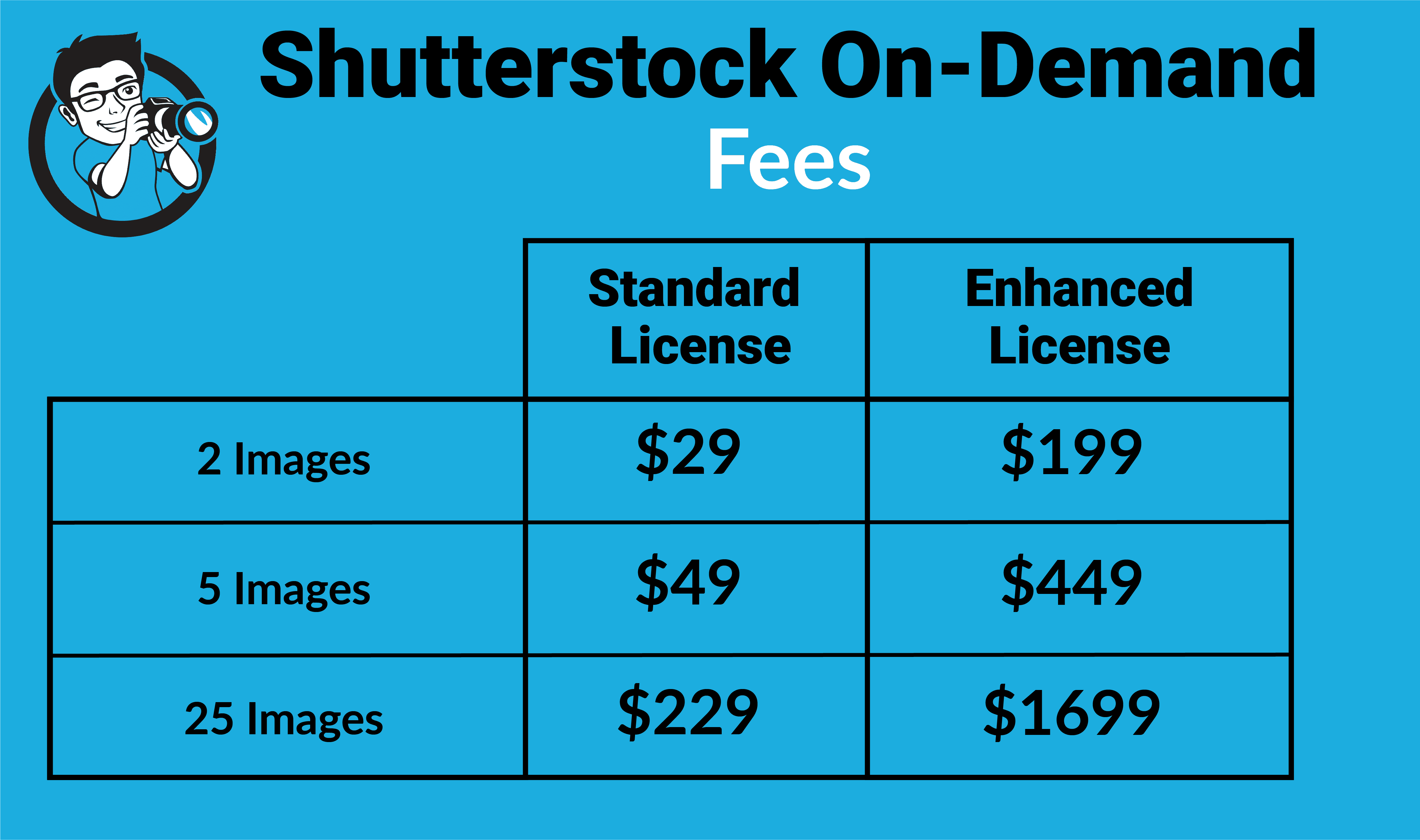
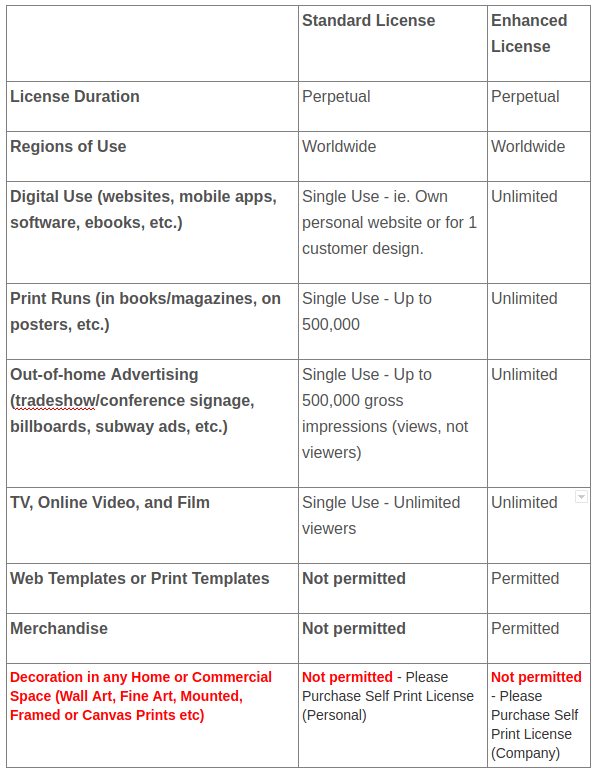
Now, when you dive into the world of Shutterstock, you'll encounter two main types of licenses: Standard and Enhanced. Understanding the difference is crucial to avoid potential copyright issues down the road. The Standard License is your go-to for most everyday uses. You can use the image for websites, blogs, social media, and even print ads (within reasonable print runs). Think of it as the all-purpose license for general marketing and editorial needs.
However, the Enhanced License unlocks a whole new level of possibilities. Its key advantage is allowing you to use the image in products for resale. This means you could use it on t-shirts, mugs, templates, or anything else you plan to sell for profit. It also typically includes higher print run allowances, making it ideal for large-scale campaigns. Imagine using a captivating image on thousands of product packages – that's where the Enhanced License shines.

So, how can you make the most of your Shutterstock experience and choose the right license? Here are a few practical tips:
- Clearly define your usage: Before downloading anything, ask yourself exactly how you plan to use the image. Is it for a personal blog, a client presentation, or a product you intend to sell?
- Read the fine print: Always, always read the license agreement carefully. Pay attention to restrictions, permitted uses, and any limitations on resale.
- Consider future applications: Even if you only need the Standard License now, think about potential future uses. Could you eventually want to incorporate the image into a product? If so, it might be worth investing in the Enhanced License upfront.
- Use keywords effectively: Shutterstock’s search engine is powerful, but you need to use the right keywords to find what you’re looking for. Be specific and experiment with different terms.
- Take advantage of free trials: Many stock photo sites offer free trials, allowing you to test the waters and see if their image library meets your needs before committing to a subscription.
By understanding the difference between the Standard and Enhanced Licenses and following these tips, you can confidently navigate the world of stock photos and unleash the power of visual communication for your projects.