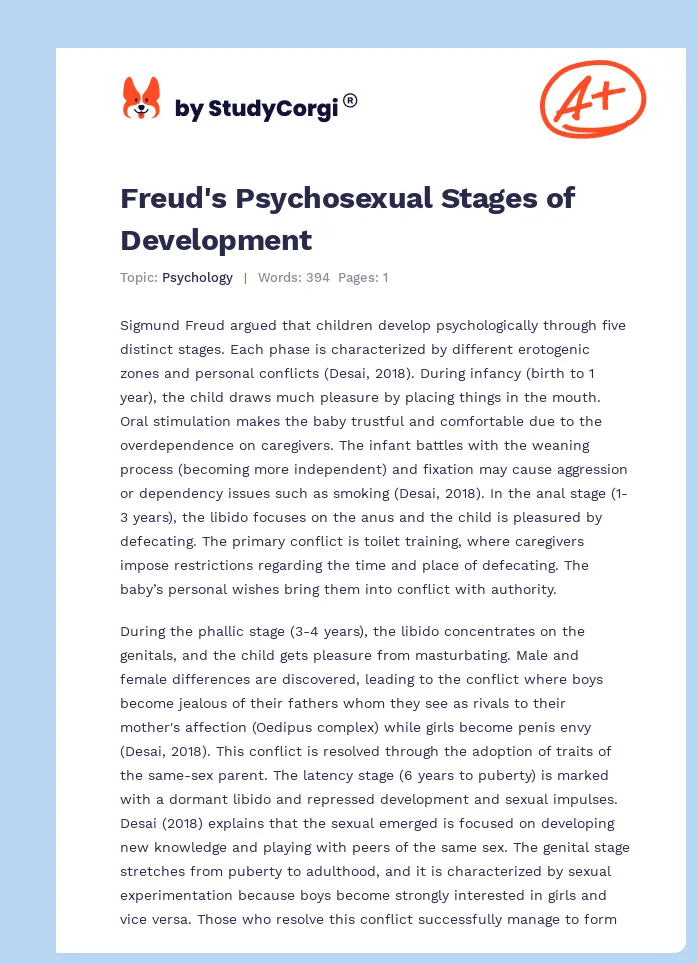
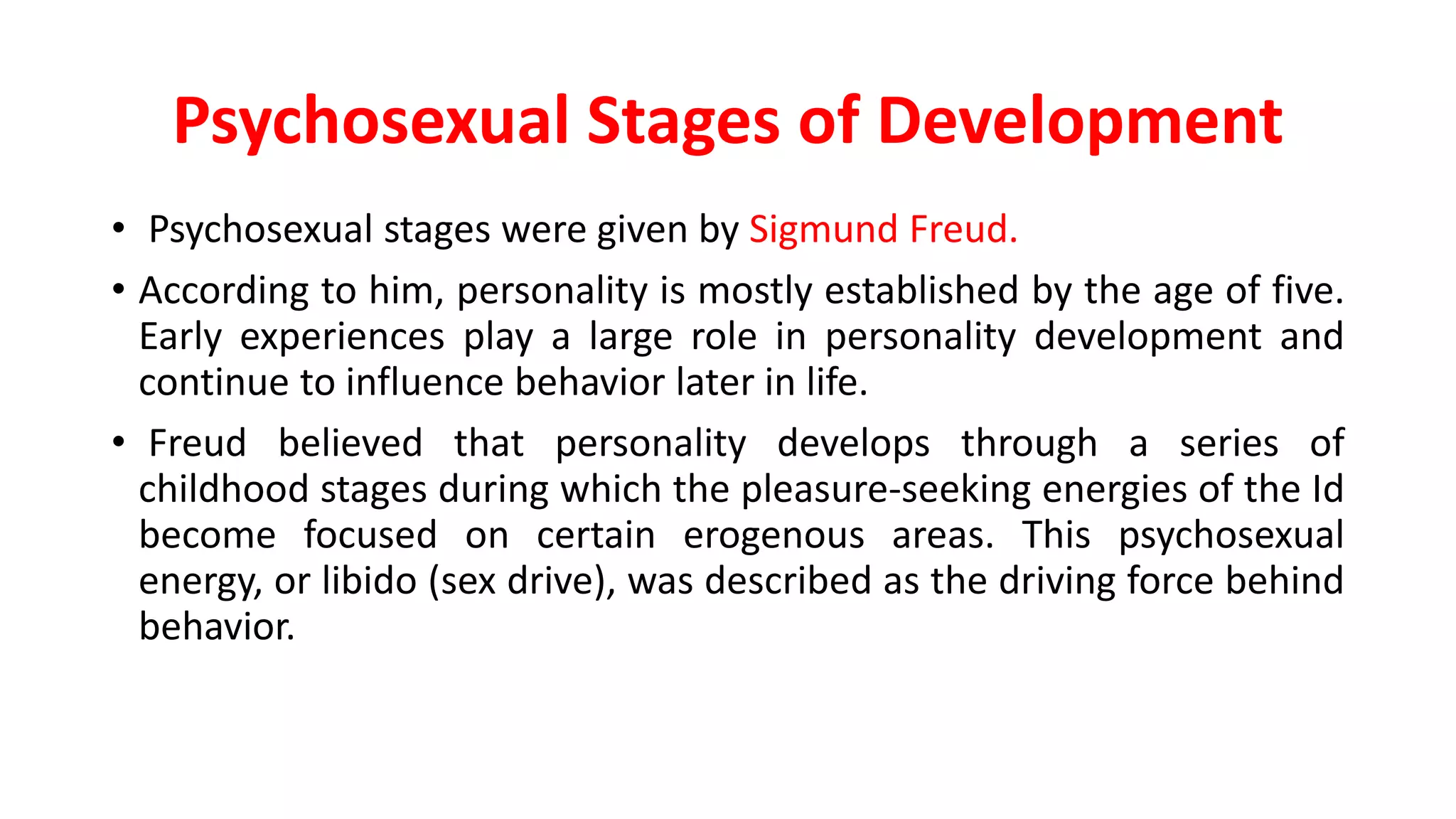
Stages Of Psychosexual Development Essay
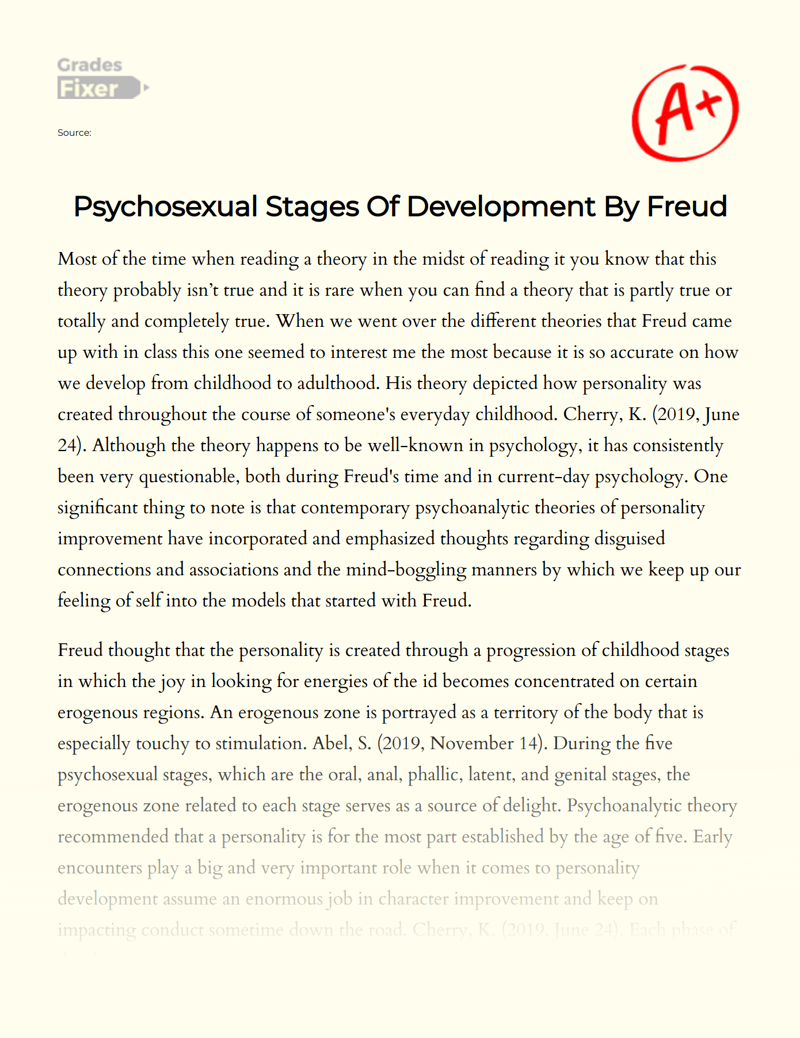
Let's be honest, who hasn't, at some point, found themselves either writing or reading an essay on Sigmund Freud's stages of psychosexual development? Whether it's for a college psychology course, a philosophical deep dive, or just a strange curiosity, the topic seems to keep popping up. It’s like that one persistent song that gets stuck in your head – complex, sometimes a little bizarre, but undeniably catchy. But why the enduring fascination? Because at its core, it tries to explain us, our behaviors, and where they might stem from.
While the theory might seem outdated to some, understanding Freud's psychosexual stages can offer a surprisingly insightful lens through which to view personality development. The primary benefit lies in its ability to provide a framework for understanding how early childhood experiences, especially those related to pleasure and gratification, can shape our adult selves. It's not about definitively labeling people, but rather about gaining a deeper appreciation for the complex interplay of factors that contribute to who we are. This kind of understanding can foster empathy, both for ourselves and for others.
The theory posits that we progress through five stages: oral, anal, phallic, latency, and genital. Think of the oral stage (0-1 years) – a time of intense focus on oral gratification. An adult with an "oral fixation," according to this theory, might be seen as someone who engages in excessive eating, smoking, or talking. Then there’s the anal stage (1-3 years) where toilet training comes into play. Strict parenting during this phase, the theory suggests, could lead to an overly rigid and controlling personality. The phallic stage (3-6 years) is notable for the Oedipus and Electra complexes, where children develop feelings of attraction toward the opposite-sex parent and rivalry towards the same-sex parent. While controversial, this stage highlights the development of gender identity and moral development. The latency stage (6-puberty) is a period of relative calm, where sexual urges are repressed. Finally, the genital stage (puberty onward) marks the re-emergence of sexual interests and the development of mature relationships. You'll often see these stages referenced in literature, films, and even popular media – often used as a shortcut for character development or explaining certain behaviors.
Must Read
So, how can you actually enjoy and benefit more from engaging with this theory? Firstly, approach it with a critical and open mind. Don’t take everything as gospel truth. It's just one perspective, and it’s been challenged and revised extensively. Secondly, focus on the underlying concepts rather than getting bogged down in the literal interpretations. The key is to understand the general idea that early experiences matter and can influence later life. Thirdly, try applying the concepts to fictional characters or historical figures. This can be a fun and engaging way to test the theory and see how it resonates with you. Finally, use it as a tool for self-reflection, but be kind to yourself! It's not about judging your past but about understanding your present. Ask yourself: are there any patterns in my behavior that might be linked to earlier experiences? What can I learn from this theory to better understand myself and others? It's a starting point, not a final answer.
Ultimately, writing or reading an essay about psychosexual development can be more than just an academic exercise. It's an opportunity to explore the complexities of the human psyche, to challenge our assumptions, and to gain a deeper appreciation for the intricate tapestry of our lives. So, embrace the Freudian foray – just remember to keep a healthy dose of skepticism and a sense of humor.