Stable Diffusion Lora Doesn't Show Up
Ever tried whipping up some digital art using Stable Diffusion, only to find your meticulously crafted LoRA (Low-Rank Adaptation) stubbornly refusing to appear? It's a surprisingly common frustration, and understanding why it happens, and how to fix it, can unlock a whole new level of creative control. Imagine crafting hyper-realistic portraits, seamlessly merging artistic styles, or even generating unique educational resources with pinpoint accuracy – LoRAs make all of this more accessible. So, let's dive in and demystify this tech hiccup!
LoRAs are essentially lightweight add-ons that fine-tune a pre-trained Stable Diffusion model. Think of Stable Diffusion as a talented artist with a broad skillset. A LoRA is like giving that artist a specific reference book, teaching them how to paint in a particular style, depict a specific character, or understand a unique concept. The benefit? You get incredibly customized results without needing to retrain the entire, massive Stable Diffusion model from scratch. This saves time, computational resources, and a whole lot of headaches!
The beauty of LoRAs lies in their versatility. In education, teachers could use them to create visuals tailored to specific historical periods, scientific concepts, or literary styles. Need images showcasing the Renaissance with perfect accuracy? A LoRA trained on Renaissance art can deliver. Imagine generating interactive worksheets with illustrations that perfectly match the lesson! Beyond the classroom, LoRAs can personalize your creative projects. Maybe you want to consistently generate images of your pet in different scenarios, or explore a niche artistic style that isn’t well represented in the base Stable Diffusion model. The possibilities are truly endless.
Must Read
So, why might your LoRA be hiding? The most frequent culprit is simply incorrect placement. Ensure your LoRA file (usually a `.safetensors` or `.ckpt` file) is located in the correct directory. This is typically the `models/Lora` folder within your Stable Diffusion installation. Double-check your file paths! Another common issue is incorrect activation. Most Stable Diffusion UIs (like Automatic1111 or InvokeAI) require specific syntax to activate a LoRA within your prompt. Usually, this involves using `
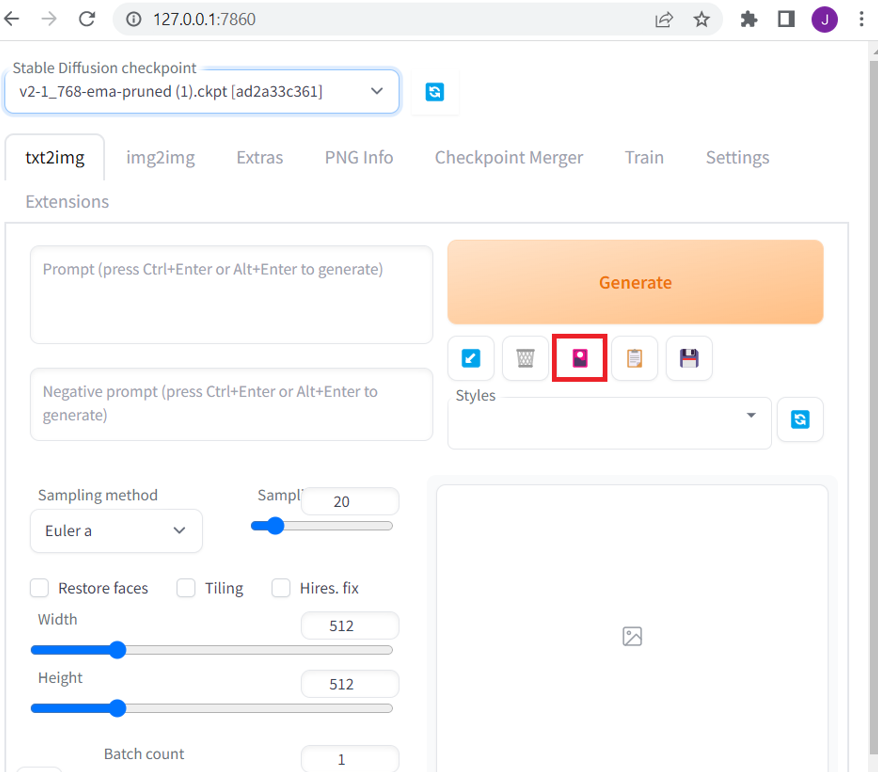
Still struggling? Check your Stable Diffusion version. Older versions might not fully support LoRAs or may require specific extensions. Updating to the latest version often resolves compatibility issues. And don't underestimate the power of restart. Sometimes, simply restarting your Stable Diffusion UI or even your computer can clear up temporary glitches. Finally, experiment with different LoRA weights. A weight that's too low might make the LoRA's effects unnoticeable, while a weight that's too high can lead to distorted or unrealistic results.
The best way to explore the world of LoRAs is to simply dive in! Download a few pre-trained LoRAs from reputable sources like Civitai.com. Experiment with different prompts and weights, and see how they transform your images. Don't be afraid to make mistakes – it's all part of the learning process. With a little troubleshooting and a dash of curiosity, you'll be harnessing the power of LoRAs in no time!