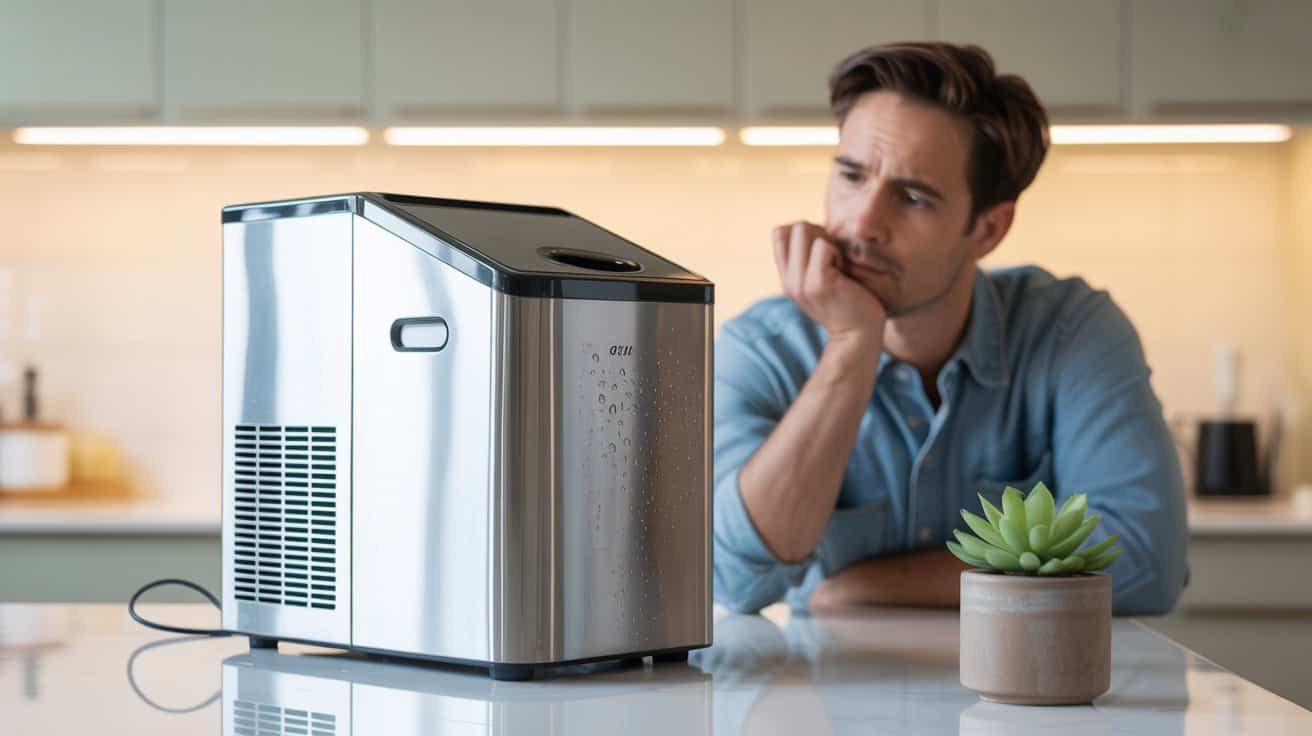
Space Plus Ice System Not Making Ice

Ever wondered how we might live and work beyond Earth, not just visiting, but thriving? One fascinating area of research focuses on utilizing the resources available in space to make this a reality. One particularly interesting concept is using a "Space Plus Ice System," and while it sounds futuristic, the core idea is surprisingly simple: use readily available resources like water ice to create essential supplies. But what happens when that system designed to turn space ice into something useful… well, doesn't?
So, what exactly is a Space Plus Ice System? Imagine this: you're on the Moon or Mars. Shipping everything you need from Earth is incredibly expensive and complex. But these places, and others throughout the solar system, have abundant deposits of water ice tucked away in permanently shadowed craters. A Space Plus Ice System aims to extract that ice and transform it into vital resources. Think drinking water, of course, but also rocket propellant (hydrogen and oxygen), and even radiation shielding. The benefits are enormous. By "living off the land," we drastically reduce the cost and complexity of long-duration space missions, making settlements and resource utilization far more feasible.
The potential uses are incredibly diverse. In education, Space Plus Ice Systems provide a compelling real-world example of applied science and engineering. Students could design simulations of ice extraction and processing, learning about thermodynamics, robotics, and resource management. In daily life, if we ever have lunar or Martian bases, these systems will be absolutely crucial for sustaining human presence. Imagine needing to top up your rover's fuel – instead of waiting months for a shipment from Earth, you simply extract and process local ice! Beyond direct human use, the oxygen produced could support life support systems in habitats, and the water can be used for growing food in hydroponic farms, creating a sustainable and self-sufficient ecosystem.
Must Read
But here's where things get interesting. What if your meticulously designed Space Plus Ice System stubbornly refuses to make ice? There are a multitude of reasons why this could happen, and troubleshooting these issues provides valuable learning opportunities. Perhaps the ice is more difficult to extract than initially anticipated, requiring different digging or melting techniques. Maybe the refining process is inefficient, resulting in insufficient water production. Or, perhaps the problem isn't the ice, but the system itself! Are the solar panels providing enough power? Is the cooling system functioning correctly? Are there leaks in the plumbing? Each failure presents a learning opportunity, pushing engineers and scientists to innovate and refine their designs.
Even without building a physical system, there are ways to explore the principles behind Space Plus Ice Systems. You could research current missions aiming to identify and map water ice deposits, like NASA's VIPER rover. You can also explore open-source simulations and modeling software to design your own virtual ice extraction and processing plant. Think about the challenges involved: how would you melt the ice? How would you separate the water from any impurities? How would you store the resulting resources? By tackling these questions, you'll gain a deeper understanding of the challenges and opportunities involved in unlocking the resources of space and paving the way for a sustainable future beyond Earth. And who knows, maybe your virtual solution will inspire a real-world breakthrough!