
Smoke Detector Went Off But No Smoke

Ever been there? You’re chilling, maybe watching TV, cooking up a storm, or just minding your own business, when suddenly – BEEP BEEP BEEP! The dreaded smoke detector wails its piercing siren. Your heart leaps into your throat, you panic, search frantically… but there’s no smoke. Nada. Zilch. Just a confused silence after you’ve finally wrestled that ear-splitting contraption into submission.
What gives? Is your smoke detector just having a dramatic moment? Or is there something more fascinating at play here?
The Mystery of the Invisible Alarm
It’s a common conundrum, right? The alarm goes off, your brain screams "fire!", but your eyes see absolutely nothing. This isn't usually your detector being faulty, though that can happen. More often than not, it's actually doing its job – just in a way that’s super subtle and a little bit mind-bending.
Must Read
Think of your smoke detector as a tiny, highly sensitive superhero. It's not just looking for big, billowy clouds like we might imagine. Nope, it's often sniffing out danger on a much tinier, almost molecular level. Pretty cool, huh?
Meet the Detectors: Two Clever Types
To understand this invisible alarm, we need to quickly chat about the two main types of smoke detectors you’ll typically find in homes:

1. The Ionization Detector: Our Invisible-Smoke Sniffer
This is often the culprit behind those "no smoke" alarms. Ionization detectors are incredibly good at sensing fast-flaming fires. How do they do it? They contain a tiny bit of radioactive material (don't worry, it's super safe!) that ionizes the air between two plates, creating a small electric current. When tiny, invisible combustion particles enter this chamber, they disrupt that current, and – BEEP! – the alarm sounds.
See? It's not necessarily seeing smoke, but rather these invisible byproducts of combustion. Imagine it like a tiny, invisible guard dog that barks at things even before you can see them. It's looking for those microscopic troublemakers that haven't quite formed into a visible plume yet.
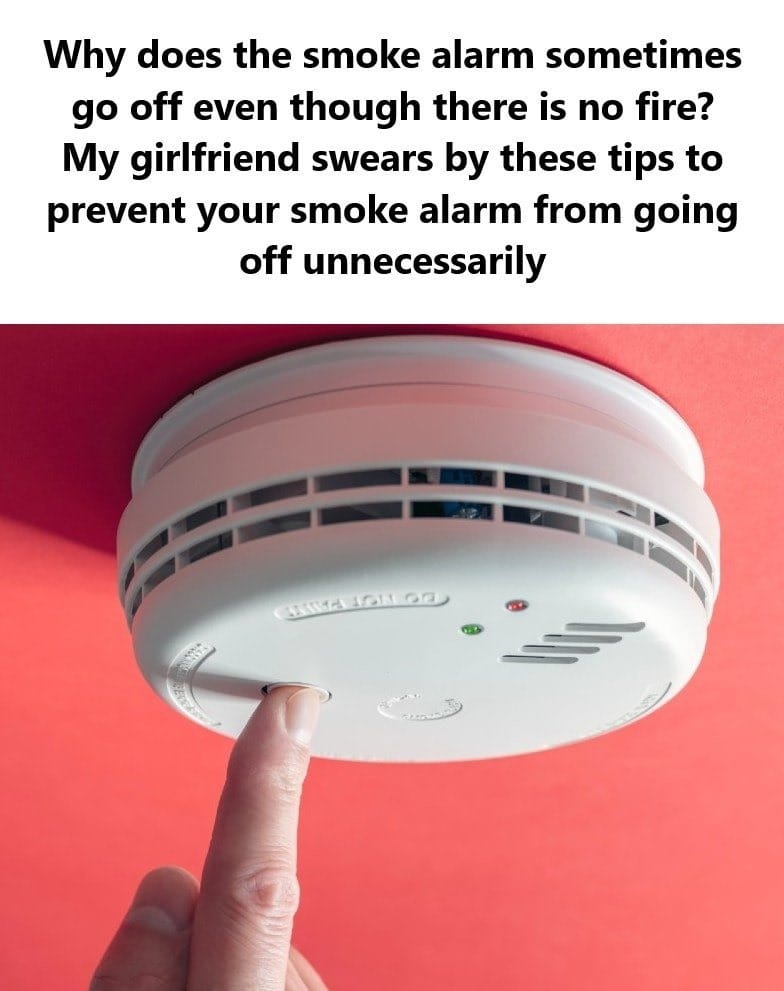
2. The Photoelectric Detector: The Visible Smoke Spotter
Then there are photoelectric detectors. These guys are great at detecting smoldering fires, which often produce a lot of visible smoke before they burst into flames. They work by shining a light beam into a chamber. If smoke particles enter and scatter that light, the alarm goes off.
While photoelectric detectors are less prone to "no smoke" alarms from things like steam, they can still be triggered by dense, non-fire-related particles. Many modern homes now have dual-sensor detectors, which combine both technologies for broader protection. Smart!

So, What's Triggering the Invisible Alarm?
Now that we know about our super-sensitive ionization friend, let's look at the usual suspects for those "no smoke" alarms:
- The Humble Piece of Toast: Burnt toast, even slightly, releases tiny particles that an ionization detector can pick up. It's not visible smoke to our eyes, but it's enough to trigger the alarm. Your detector thinks your kitchen is about to become a bonfire just because you like your toast a little crispy!
- Steam and Humidity: A hot shower, boiling pasta, or even a super steamy day can sometimes set off ionization detectors. The water vapor particles are enough to confuse them into thinking there’s a problem. It’s like a tiny cloud party that the detector mistook for an invasion.
- Cooking Fumes (Beyond Toast): Searing a steak, stir-frying, or anything that produces even a slight bit of airborne grease or cooking "vapor" can be enough. Your culinary masterpiece might be delicious, but your detector is yelling, "Danger, deliciousness ahead!"
- Dust Bunnies and Insect Intruders: Over time, dust can accumulate inside the detector's chamber, or a tiny spider might decide to build a web in there. These physical obstructions can block the light beam (photoelectric) or disrupt the current (ionization), leading to a false alarm. It's like a tiny rave inside, and the detector just can't handle the party.
- Chemical Fumes: Cleaning products, paint fumes, or even strong air fresheners can sometimes contain particles or gases that fool the detector.
- Old Age & Low Batteries: Smoke detectors aren't forever! They typically have a lifespan of about 10 years. After that, their sensors can become less reliable. And of course, the dreaded "low battery chirp" can sometimes escalate to a full alarm before it finally gives up the ghost.
It's Annoying, But It's a Good Thing!
While an unexpected wailing alarm can be a huge pain and a source of momentary panic, it’s actually a sign that your smoke detector is working as intended. It’s designed to be overly cautious, to err on the side of warning you even when the threat is barely perceptible.
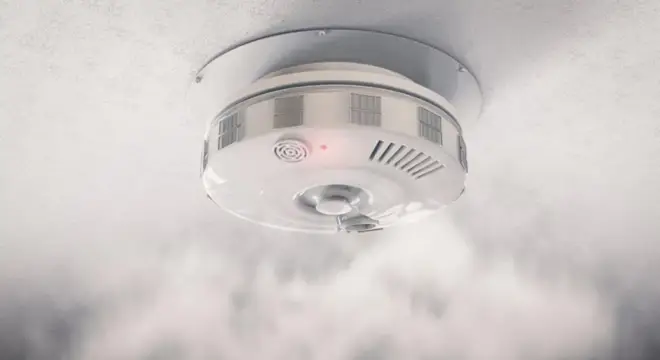
Think of it as your home's most diligent, albeit sometimes dramatic, guardian. It's programmed to give you that early warning system, catching potential fires in their infancy, long before they become visible to the human eye.
What to Do When It Happens
So, the next time your smoke detector goes off with no visible smoke:
- Don't ignore it! Always assume there might be a real danger first. Check your home thoroughly.
- Ventilate. Open windows and doors to air out any lingering particles.
- Clean it. Gently vacuum around and inside the detector (if possible) to remove dust and cobwebs.
- Check its age. If it's over 10 years old, it's time for a replacement.
- Change batteries. Do this annually, even if you don't get a low-battery chirp.
Our smoke detectors are truly remarkable pieces of technology. They're constantly standing guard, using clever science to sniff out danger, visible or not. So, next time yours has a "false alarm," give it a little nod of appreciation. It's just trying its best to keep you safe, one invisible particle at a time!