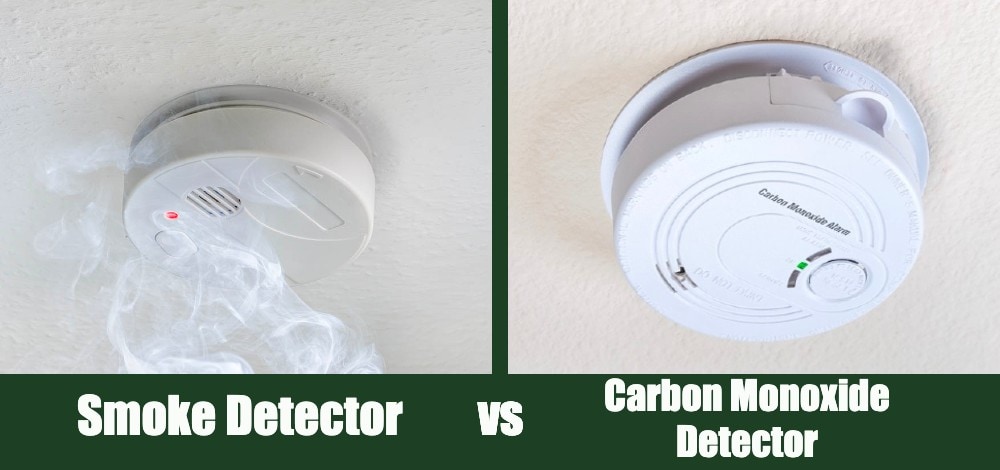
Smoke Detector Vs Carbon Monoxide Detector

Let's face it, nobody enjoys an unexpected fire alarm going off while they’re making toast, or the insistent chirping of a dying battery at 3 AM. Yet, despite these minor annoyances, there's a profound, almost primal satisfaction that comes from knowing your home, your sanctuary, is guarded. We're talking about those silent, vigilant sentinels perched on our ceilings and walls: the smoke detector and the carbon monoxide (CO) detector. They are the unsung heroes of home safety, working tirelessly behind the scenes to give us the ultimate luxury – peace of mind.
Their primary benefit is simple, yet utterly profound: they save lives. These devices stand ready, constantly scanning the air, prepared to shout a warning when danger, often unseen or unheard, lurks. A smoke detector’s purpose is to alert you to the presence of smoke, usually an indicator of fire. This early warning can be the difference between a minor incident and a tragic one, giving you precious minutes to escape with your loved ones. Carbon monoxide detectors, on the other hand, are designed to detect CO gas – a truly insidious threat because it’s colorless, odorless, and tasteless. Often called the "silent killer," CO poisoning can cause symptoms ranging from headaches and nausea to unconsciousness and death, all without you ever realizing the gas is present. Together, they form an impenetrable shield against two distinct, yet equally devastating, household dangers.
You'll find these crucial devices everywhere from cozy apartments and sprawling family homes to RVs and even some smart home systems. Smoke detectors are typically triggered by things like burnt cooking (oops!), an overloaded electrical outlet, or a forgotten candle. CO detectors, however, are on guard against leaks from fuel-burning appliances such as furnaces, gas stoves, water heaters, and even generators run too close to the home. It’s vital to understand that a smoke detector will not detect carbon monoxide, and a CO detector will not detect smoke. They are not interchangeable; you need both to be truly protected.
Must Read
To truly "enjoy" the peace of mind these devices offer, you need to ensure they’re working effectively. Here are some practical tips: First, placement is key. Install smoke detectors inside and outside every sleeping area, and on every level of your home, including the basement. For CO detectors, place them near sleeping areas and on every level. Second, test them monthly by pressing the "test" button. This ensures their alarm is functioning. Third, change their batteries annually – a common reminder is to do it when you change your clocks for daylight saving. Most importantly, remember that detectors have a lifespan. Smoke detectors typically last about 10 years, and CO detectors often 5-7 years. Check the expiration date on the back of the unit! When they chirp insistently despite new batteries, it often means the unit itself has expired and needs replacing. Don't ignore those chirps; they’re telling you it’s time for a new guardian. Invest in these simple devices, maintain them, and rest easy knowing your silent protectors are always on duty.